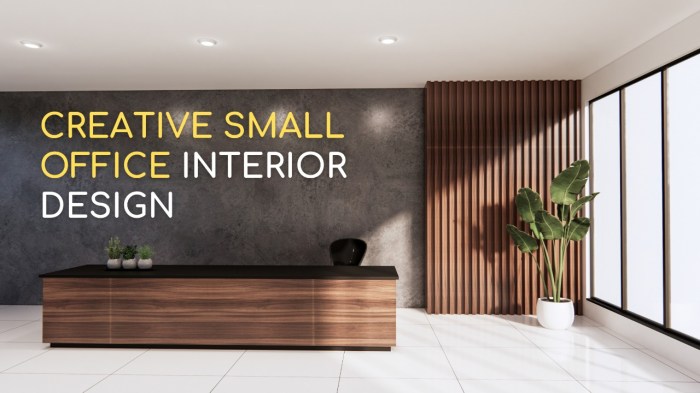
Small Office Interior Design Maximize Space, Style & Productivity
Small office interior design isn’t just about squeezing in furniture; it’s about crafting a functional and inspiring workspace. Think of it as a puzzle where every piece – from the color palette to the placement of a single plant – contributes to the overall effectiveness and comfort of your office. This guide will walk you through optimizing your space, choosing the right furniture, and creating an atmosphere that boosts productivity and well-being.
We’ll cover essential aspects like maximizing space with clever layouts and multi-functional furniture, selecting the perfect color schemes and lighting to enhance mood and focus, and incorporating natural elements to create a calming environment. We’ll also explore the seamless integration of technology and the importance of personalizing your space to reflect your unique style and needs. Get ready to transform your small office from cramped and cluttered to efficient and inspiring!
Space Optimization in Small Offices
Source: spacey. in
Maximizing space in a small office is crucial for productivity and comfort. Clever design choices can transform a cramped workspace into an efficient and enjoyable environment. This section will explore practical strategies for optimizing space, including layout planning, furniture selection, and vertical space utilization.
Small Office Layout Design
A well-planned layout is fundamental to a functional small office. The following table illustrates a sample layout for a small office (approximately 8ft x 10ft), maximizing workspace while allowing for comfortable movement. Remember to adjust dimensions based on your specific space and needs.
| Area | Dimensions (ft) | Description |
|---|---|---|
| Desk Area | 6ft x 3ft | Main workspace with ample desk space. |
| Storage/Filing | 2ft x 3ft | Vertical filing cabinet and shelving unit. |
| Movement Space | Remaining space | Allows for comfortable movement around the desk and storage. |
Space-Optimizing Furniture
Choosing the right furniture is essential for maximizing space in a small office. Consider these options:
The following furniture pieces are designed to minimize footprint while maximizing functionality:
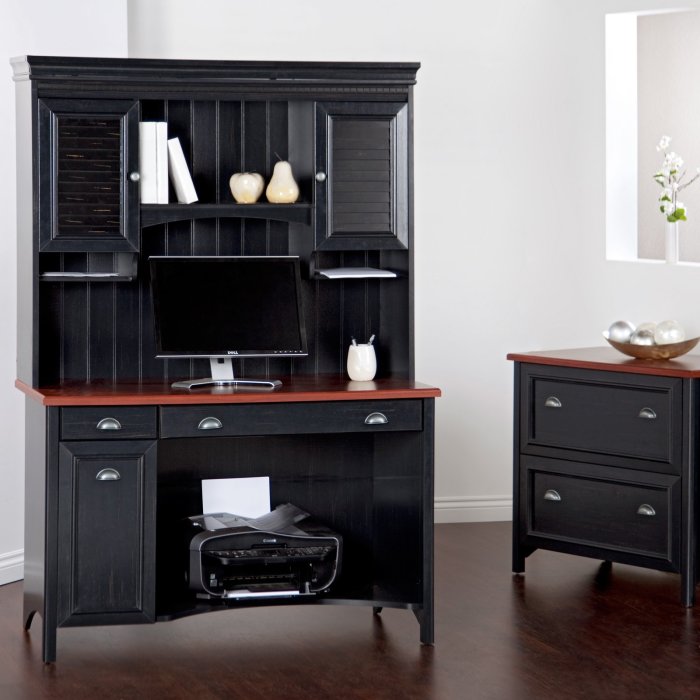
- Multi-functional Desk: A desk with built-in drawers or shelving eliminates the need for separate storage units. Imagine a desk with a built-in keyboard tray that slides away when not in use, creating extra space on the desktop.
- Vertical Filing Cabinet: Tall, narrow cabinets maximize storage capacity while minimizing floor space. A typical example is a cabinet that is 72 inches tall and only 15 inches wide, allowing for significant document storage without taking up much floor space.
- Wall-Mounted Shelving: Shelving units mounted on the wall free up valuable floor space and provide ample storage for books, files, and office supplies. Picture a set of sleek, floating shelves that add a modern touch to the office while maximizing vertical space.
- Space-Saving Chair: A chair with a smaller footprint, such as a task chair with a narrow base, allows for easier movement and prevents the office from feeling cluttered.
Utilizing Vertical Space
Vertical space is often underutilized in small offices. By strategically using the walls and ceiling, you can significantly increase storage and functionality.
Several techniques can be implemented to maximize vertical space:
- Install wall-mounted shelves for books, files, and decorative items. Consider open shelving for a modern look or closed cabinets for a more organized appearance.
- Use tall, narrow storage cabinets to maximize storage capacity without taking up too much floor space. These cabinets can store supplies, files, or even a small printer.
- Hang a whiteboard or corkboard on the wall to create a functional workspace for brainstorming and note-taking. This eliminates the need for a separate bulletin board and utilizes wall space effectively.
Color Palette and Lighting for Small Offices
Source: thearchitectsdiary.com
Choosing the right colors and lighting is crucial for creating a productive and pleasant workspace in a small office. The right combination can significantly impact mood, focus, and overall well-being, maximizing the efficiency of the limited space. Let’s explore how to achieve this.
Color Palette Mood Board
A well-chosen color palette can dramatically affect the feel of your small office. Here’s a mood board showcasing three different options, each with its psychological impact on productivity:
| Palette 1: Serene Productivity | Palette 2: Energetic Focus | Palette 3: Creative Calm |
|---|---|---|
Colors:
Psychological Impact: Promotes a sense of calm and focus, ideal for tasks requiring concentration and detail. |
Colors:
Psychological Impact: Boosts energy and creativity, suitable for brainstorming sessions and dynamic work. |
Colors:
Psychological Impact: Fosters a creative and comfortable atmosphere, perfect for design-oriented work or those needing a more relaxed environment. |
Lighting Plan for a Small Office, SmallOffice Interior Design
Effective lighting is key to productivity and ambiance in a small office. A layered approach using natural and artificial light sources is recommended.
Natural Light: Maximize natural light by positioning desks near windows. Use sheer curtains or blinds to control glare and brightness.
Artificial Lighting:
- Ambient Lighting: A ceiling-mounted fixture (e.g., a recessed LED panel or a modern pendant light) provides overall illumination. Consider a dimmer switch for adjustable brightness.
- Task Lighting: Desk lamps (LED or adjustable-arm) provide focused light for specific tasks, reducing eye strain. Choose lamps with adjustable brightness and color temperature.
- Accent Lighting: Small spotlights or LED strip lights can highlight artwork or architectural features, adding visual interest and a more personalized feel.
Warm vs. Cool Lighting
Warm lighting (2700-3000K) creates a cozy and inviting atmosphere, promoting relaxation. It’s ideal for informal meetings or winding down at the end of the day. Cool lighting (5000-6500K), on the other hand, is more energizing and improves focus. It’s better suited for tasks requiring concentration and precision. The choice depends on the desired mood and the nature of the work being performed. For example, a design firm might prefer warmer lighting in a collaborative area and cooler lighting in individual workspaces.
Furniture Selection for Small Offices
Source: mydecorative.com
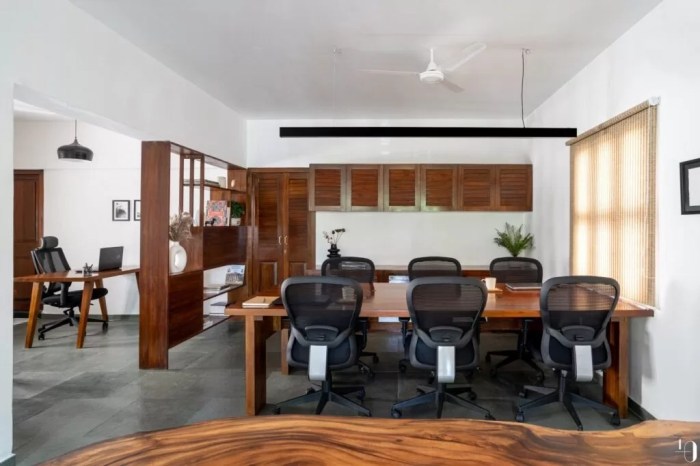
Choosing the right furniture is crucial for maximizing both comfort and productivity in a small office. The key is to select pieces that are not only ergonomic and functional but also space-saving and aesthetically pleasing. Careful consideration of each item will contribute significantly to a positive and efficient work environment.
Ergonomic Chair Selection Criteria
Selecting an ergonomic chair involves prioritizing comfort and support to prevent back pain and fatigue. Look for chairs with adjustable height, lumbar support, and armrests. Consider the chair’s material; breathable fabrics like mesh are preferable to leather or vinyl, especially in warmer climates. The chair should also be appropriately sized for the user, allowing for proper posture and movement. A good quality ergonomic chair, even a relatively compact model, is a worthwhile investment for long-term health and productivity.
Ergonomic Desk Selection Criteria
The desk should be the right height for the user when seated in their ergonomic chair, allowing for a 90-degree angle at the elbows while typing. Consider a standing desk converter if you want the option to stand while working. The desk’s surface area should be sufficient for your work needs without feeling cramped. A clean, uncluttered workspace is key to productivity, so choose a desk that suits your workflow. For small spaces, a corner desk or a wall-mounted desk can be excellent space savers.
Storage Solutions for Small Offices
Efficient storage is paramount in small offices. Vertical storage solutions like tall, narrow bookshelves or filing cabinets maximize space utilization. Consider using drawers, shelves, and cabinets with clear labeling to maintain organization. Look for stackable storage containers or units that can be easily rearranged as your needs change. Multi-functional furniture, such as ottomans with built-in storage, can help significantly.
Multi-functional Furniture Examples
A convertible sofa bed offers both seating and sleeping space, ideal for small offices doubling as guest rooms. A storage ottoman provides seating and hidden storage for files or supplies. A desk with built-in drawers or shelves eliminates the need for separate storage units. These pieces cleverly combine functionality and space-saving design. For example, a Murphy bed, a wall-mounted bed that folds up into a cabinet, can transform a small office into a bedroom at night.
Five Must-Have Furniture Items for a Productive Small Office
Before listing the items, remember that the specific needs will vary depending on individual work styles and professions. However, a well-chosen selection of these items will contribute greatly to a productive workspace.
- Ergonomic Chair: Essential for posture and long-term health, reducing the risk of back pain and fatigue.
- Desk: Provides a dedicated workspace; the size and style should match your needs and available space.
- Vertical Storage Unit: Maximizes vertical space for efficient organization of files, supplies, and other items.
- Task Lighting: Improves visibility and reduces eye strain; a desk lamp or adjustable overhead light is ideal.
- Comfortable Seating for Guests (optional): A small, foldable chair or stool can accommodate occasional visitors without cluttering the space.
Incorporating Natural Elements in Small Offices
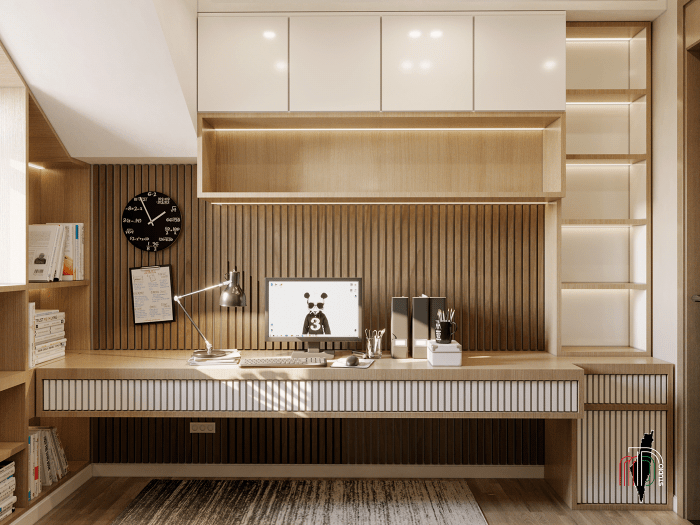
Source: behance.net
Bringing the outdoors in isn’t just a trendy design choice; it’s a powerful way to boost productivity and well-being in a small office space. Natural elements can transform a cramped workspace into a calming and inspiring environment, reducing stress and improving focus. This section explores how to effectively integrate natural elements for a more positive and productive work experience.
Incorporating natural elements into a small office design involves strategically using plants, and natural materials like wood and stone, and maximizing natural light and ventilation. This holistic approach, often referred to as biophilic design, connects occupants with nature, fostering a sense of peace and tranquility.
Plant Choices and Placement
Careful selection and placement of plants are crucial for maximizing their impact. Larger plants, such as a snake plant or ZZ plant (known for their low-maintenance nature), can act as focal points, while smaller plants, like succulents or air plants, can be strategically placed on shelves or desks to add pops of green. Avoid overcrowding; give plants enough space to thrive. Consider the light requirements of each plant when choosing locations. For example, a south-facing window is ideal for sun-loving plants, while a north-facing window is better suited for shade-tolerant varieties. A well-placed, large plant can even visually break up a monotonous wall, creating a more dynamic and engaging space.
Benefits of Natural Light and Ventilation
Natural light is essential for a healthy and productive workspace. It regulates our circadian rhythm, improves mood, and reduces eye strain. Maximizing natural light involves strategically placing desks near windows and using light-colored walls and furniture to reflect light. Similarly, proper ventilation is critical for maintaining good air quality, reducing the buildup of stale air, and improving concentration. Opening windows regularly, using air purifiers, and ensuring proper airflow are simple yet effective ways to achieve this. Studies have shown that employees in offices with access to natural light and ventilation report higher levels of satisfaction and productivity. For example, a study by the University of Exeter found that employees in offices with natural light reported 15% higher levels of job satisfaction.
Biophilic Design Principles in Small Offices
Biophilic design focuses on creating spaces that connect people with nature. In a small office, this can be achieved through various means, such as incorporating natural materials (wood flooring, stone countertops), using natural color palettes (greens, browns, blues), and introducing natural sounds (water features, nature soundscapes). The goal is to create a space that feels calming, restorative, and inspiring. For instance, a small office might feature a wooden desk, stone accents, and a living wall to promote a strong connection with nature. This approach not only enhances aesthetics but also positively impacts mental well-being, reducing stress and improving overall productivity. The use of natural materials can also contribute to a more sustainable and eco-friendly office environment.
Technology Integration in Small Offices
Source: medium.com
Seamlessly integrating technology into a small office is crucial for productivity and a professional image. It’s about finding the right balance between functionality and aesthetics, maximizing space without sacrificing style or ease of use. Clever planning and the right equipment choices can make all the difference.
Smart technology integration isn’t just about plugging in your devices; it’s about thoughtful planning to ensure everything works efficiently and looks good. This involves considering the placement of equipment, managing cables effectively, and choosing devices that are both powerful and space-saving. A well-integrated tech setup can even enhance the overall design of your small office.
Cable Management Solutions for Small Offices
Effective cable management is paramount in a small office. Untangled wires contribute to a cleaner, safer, and more professional workspace. Several strategies can help maintain order and prevent a chaotic jumble of cables.
- Cable Concealers: These can be routed along walls or under desks, hiding cables neatly and preventing tripping hazards. Imagine sleek, white plastic channels running along the baseboards, seamlessly integrating with the wall color, and housing all the necessary power and data cables.
- Wireless Technology: Opting for wireless keyboards, mice, printers, and even network connections significantly reduces visible cabling. This clean look enhances the office aesthetic while simplifying the workspace.
- Cable Ties and Organizers: For cables that can’t be concealed, using cable ties and organizers keeps them bundled and tidy. Picture neatly bundled cables secured with velcro straps under the desk, or a small, attractive cable organizer on the desk itself, holding charging cables and USB drives.
- Power Strips and Surge Protectors: Strategically placed power strips and surge protectors can consolidate multiple power sources, reducing the number of individual cables needed. A slim, multi-outlet power strip tucked neatly under the desk provides a central point for powering all devices.
Challenges of Technology Integration in Small Offices and Their Solutions
Integrating technology in a small office presents unique challenges, but these can be overcome with careful planning and creative solutions.
- Limited Space: The most obvious challenge is limited space. Solutions include using compact, all-in-one devices, vertical space for storage, and wall-mounted shelves for printers and other equipment. For example, an all-in-one printer/scanner/copier can replace three separate machines, saving significant space.
- Cable Clutter: As discussed earlier, cable clutter can quickly overwhelm a small space. The solution employs the cable management techniques mentioned above.
- Ergonomics: Cramped spaces can lead to poor ergonomics. Solutions include adjustable desks and chairs, proper monitor placement to minimize eye strain, and ensuring sufficient legroom. For instance, an adjustable standing desk allows for changing postures throughout the day, improving comfort and productivity.
- Insufficient Lighting: Technology often requires bright lighting, which can clash with the desired ambiance. Solutions involve using task lighting strategically near computers and printers while maintaining softer, ambient lighting for the rest of the office. Consider a desk lamp with a flexible arm to direct light precisely where it’s needed.
Small Office Decor and Styling: Small Office Interior Design
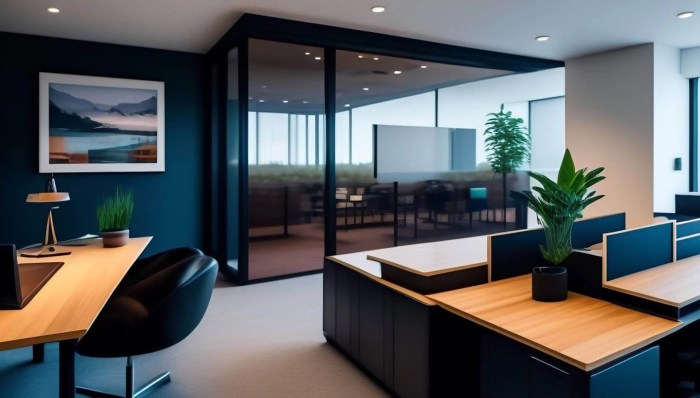
Source: dezinespace.com
Creating a stylish and functional small office involves a careful balance of aesthetics and practicality. The goal is to maximize space while reflecting your style and fostering a productive work environment. Minimalist design principles, strategic use of color, and thoughtful accessory choices are key to achieving this.
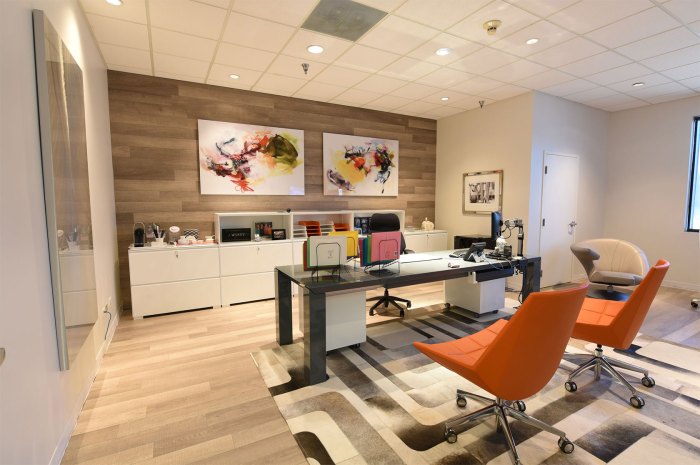
Imagine a small office bathed in soft, natural light. The walls are painted a calming shade of pale gray, accented by a single, large-scale piece of abstract art in muted blues and greens. A simple, white floating desk occupies most of the wall space, its clean lines enhancing the sense of openness. A sleek, modern chair in a charcoal gray fabric complements the desk, providing both comfort and visual harmony. A small, potted succulent sits on the desk, adding a touch of life and vibrancy. Storage is discreet; a few slim, vertical shelves hold essential work supplies, and a small, elegant filing cabinet tucked neatly under the desk keeps documents organized. The overall impression is one of serene calm and focused efficiency.
Personalizing Small Office Spaces
Personalization is crucial in creating a workspace that inspires and motivates. Your office should reflect your personality and professional style. Incorporate elements that evoke feelings of comfort, creativity, and productivity. This could involve displaying cherished mementos, incorporating favorite colors, or showcasing items that reflect your hobbies or passions. For example, a photography enthusiast might display framed prints of their work, while a book lover might incorporate a small bookshelf filled with favorite titles. Even small details, like a personalized mug or a favorite pen, can contribute to a sense of ownership and well-being. The key is to strike a balance between personal expression and maintaining a professional atmosphere.
Creating a Visually Appealing and Organized Workspace
Visual appeal and organization go hand-in-hand in small office design. A cluttered space can quickly become overwhelming, hindering productivity. Simple decorative techniques can transform a small office into a visually appealing and functional space. Utilizing vertical space with shelves and wall-mounted organizers helps to keep items off the desk, maximizing surface area. Strategic use of color can create a sense of spaciousness; lighter colors on the walls and furniture can make the room feel larger. Introducing pops of color through accessories can add visual interest without overwhelming the space. Employing consistent storage solutions, such as matching containers or baskets, creates a unified and organized look. Finally, regularly decluttering the space prevents the accumulation of unnecessary items, keeping the workspace both visually appealing and functional.
Conclusion
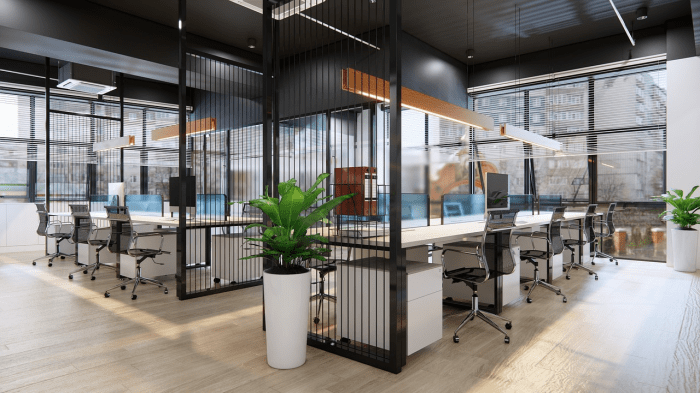
Source: homes4india.com
Designing a small office effectively requires a holistic approach, balancing functionality with aesthetics. By carefully considering space optimization, color palettes, lighting, furniture choices, and technology integration, you can create a productive and inspiring workspace. Remember, the key is to maximize every inch, embrace multi-functional furniture, and personalize your environment to reflect your style and preferences. The result? A small office that feels anything but small—a sanctuary of productivity and creativity.