Theatre Seating A Comprehensive Guide
Theatre seating: It’s more than just chairs; it’s the foundation of a great theatrical experience. From the plush comfort of an orchestra seat to the dramatic slope of stadium seating, the design and placement of seating directly impact audience enjoyment and the overall ambiance of a performance. This guide delves into the world of theatre seating, exploring different types, materials, ergonomic considerations, accessibility features, aesthetic design choices, and the economic factors involved.
We’ll examine everything from the historical evolution of seating arrangements to the latest innovations in comfort and accessibility. We’ll compare and contrast various seating materials, exploring their pros and cons regarding durability, comfort, and cost. We’ll also discuss how seating design impacts the overall atmosphere of a theatre, influencing audience perception and contributing to a memorable theatrical experience.
Types of Theatre Seating
Source: adsttc.com
Choosing the right seating for a theatre involves considering audience comfort, sightlines, and the overall aesthetic. Different arrangements and materials offer various advantages and disadvantages, impacting both the audience experience and the theatre’s operational efficiency.
Theatre Seating Arrangements
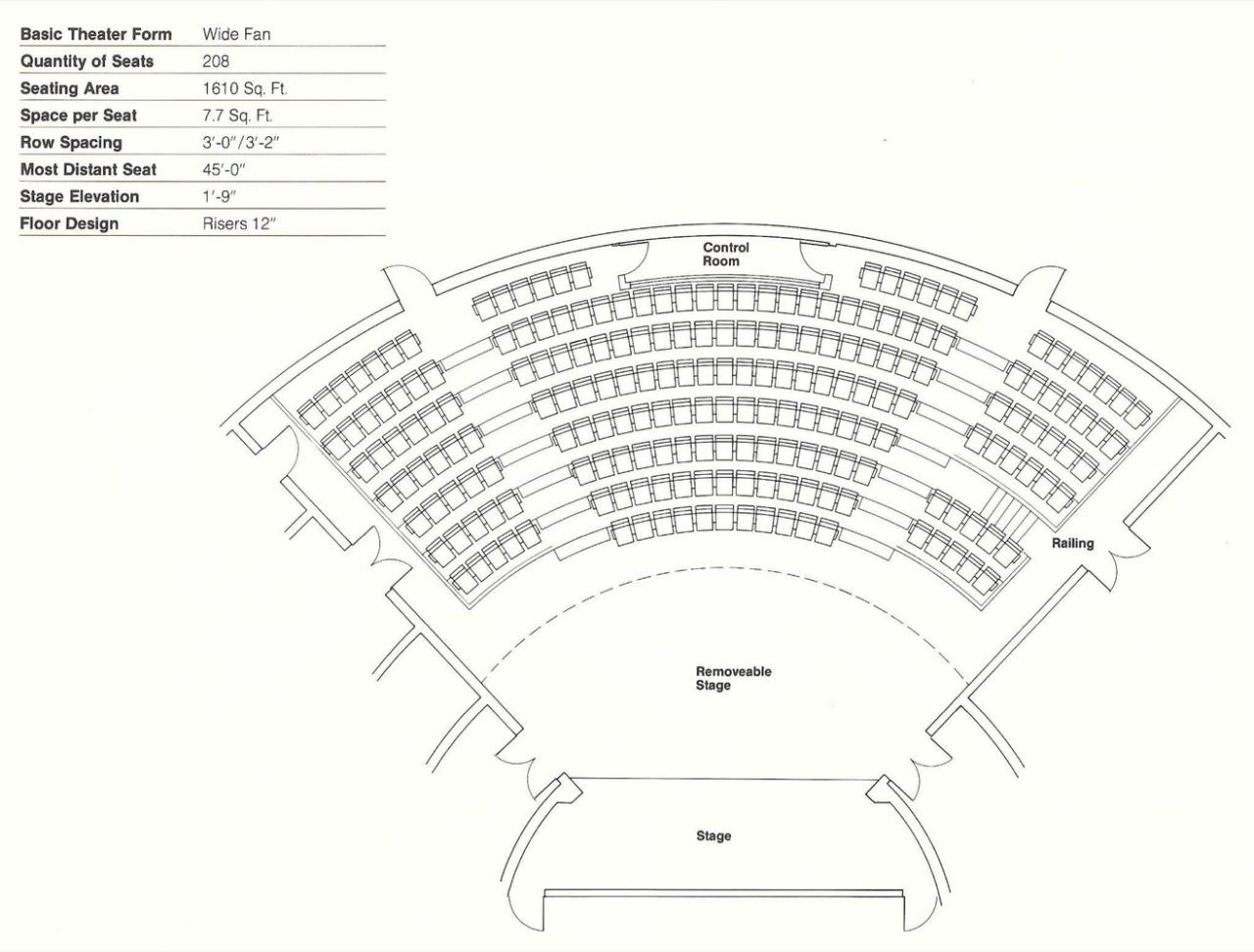
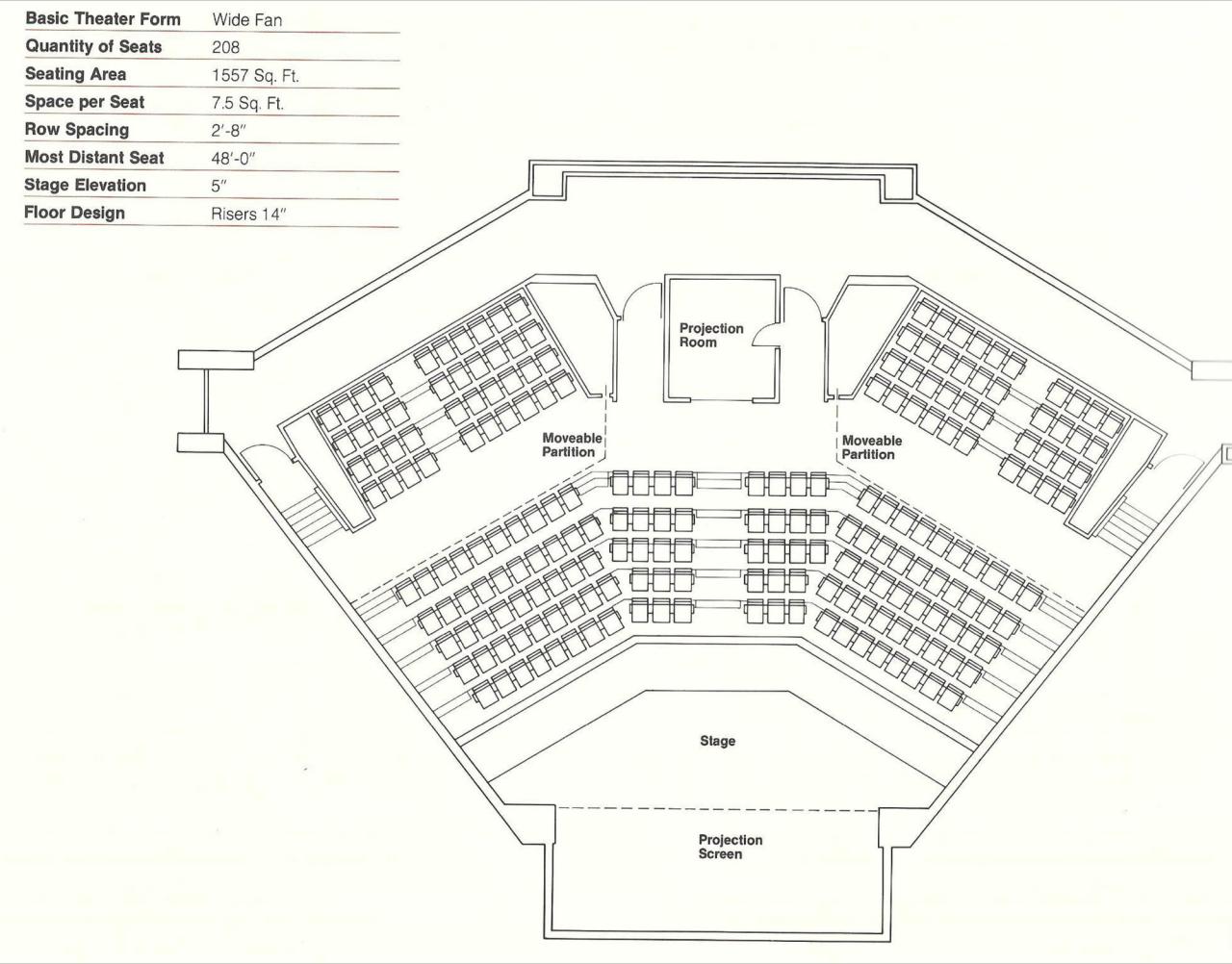
Several common seating arrangements cater to different theatre designs and audience sizes. Stadium seating, tiered seating, and orchestra seating are prominent examples, each with its own set of benefits and drawbacks. Stadium seating, characterized by its steeply raked rows, provides excellent sightlines for all audience members, even those in the back rows. However, the steep incline can make it less comfortable for some, especially those with mobility issues. Tiered seating offers a similar benefit in terms of sightlines but often with a gentler slope, improving accessibility. Orchestra seating, typically found in more traditional theatres, features flat or gently sloped seating areas closest to the stage. While providing an intimate experience, it may hinder sightlines for those seated behind taller individuals.
Theatre Seating Materials
The choice of materials significantly influences the seating’s durability, comfort, and aesthetic appeal. Wood, metal, plastic, and fabric each have unique properties. Wooden seats offer a classic and elegant look, but they can be less durable and more expensive than other options. Metal seating, often used in combination with other materials, provides robustness and longevity but might feel less comfortable without proper cushioning. Plastic seats are economical and easy to maintain, though they can lack the aesthetic appeal of wood or the comfort of upholstered seats. Fabric upholstery, available in various materials and colors, offers superior comfort but requires more frequent cleaning and maintenance and may wear out faster than other options.
Theatre Seating Comparison Table
| Seating Type | Material | Advantages | Disadvantages |
|---|---|---|---|
| Stadium Seating | Metal with plastic or fabric seats | Excellent sightlines, efficient space utilization | Can be less comfortable, and potentially difficult to accessibility |
| Tiered Seating | Wood, metal, or plastic | Good sightlines, more accessible than stadium seating | May require more space than stadium seating |
| Orchestra Seating | Wood, upholstered fabric | Intimate setting, comfortable | Potentially poor sightlines for those behind taller individuals |
Theatre Seating Comfort and Ergonomics
Source: seatment.com
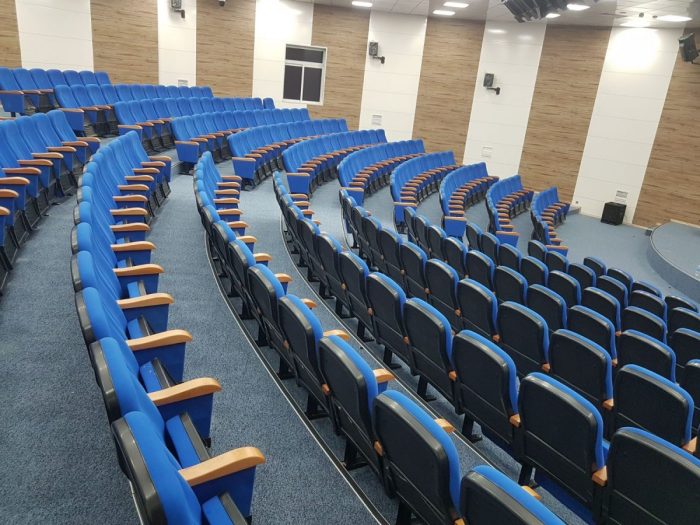
Creating comfortable and ergonomic theatre seating is crucial for audience enjoyment and preventing discomfort during long performances. Poorly designed seating can lead to back pain, leg cramps, and overall dissatisfaction, impacting the overall theatre experience. Careful consideration of several key factors is necessary to achieve optimal comfort.
Seat Dimensions and Angles
The dimensions of a theatre seat significantly impact comfort. Seat width should allow for comfortable shoulder room without feeling cramped. A generally accepted minimum width is around 20 inches, but wider seats (22-24 inches) are preferable for larger individuals or those who prefer more space. Seat depth needs to accommodate the average person’s thigh length, typically around 18-20 inches, allowing for proper support without feeling too short or too deep. The back angle is also critical; a slight recline of around 110-115 degrees provides good lumbar support and reduces pressure on the spine. Insufficient legroom is a common complaint in theatres. Ideally, legroom should be at least 32 inches to allow for comfortable leg extension and prevent knees from hitting the seat in front.
Cushioning Materials and Their Impact
The cushioning material significantly affects both the immediate and long-term comfort of a theatre seat. Different materials offer varying levels of support, resilience, and durability. For example, high-density foam provides excellent support and maintains its shape over time, making it a popular choice for long-lasting comfort. However, it can be less yielding than other options. Memory foam conforms to the body’s shape, offering personalized comfort, but it can be more expensive and may compress over time. A combination of materials, such as a high-density foam base with a layer of softer memory foam on top, can offer a balance of support and comfort. Polyester fiberfill provides a softer, more yielding feel but tends to compress more quickly than foam. The choice of cushioning material should consider both the desired level of comfort and the expected lifespan of the seat.
Design of an Ideal Theatre Seat
An ideal theatre seat would incorporate the following features: a seat width of 24 inches, a seat depth of 20 inches, and a back angle of 115 degrees. High-density foam would form the base for lasting support, topped with a layer of memory foam for enhanced comfort and pressure relief. The seat would be upholstered in a durable, breathable fabric such as a high-quality polyester blend. The legroom would be a generous 34 inches. Armrests would be wide enough to provide comfortable support without impeding neighboring seats, and they would be padded for extra comfort. Cupholders integrated into the armrests would add convenience. Finally, the seat would be designed with a slight curve in the backrest to provide optimal lumbar support and help maintain good posture during extended viewing. This design prioritizes both comfort and practicality, aiming to enhance the overall theatre-going experience.
Theatre Seating Accessibility

Source: preferred-seating.com
Making theatre accessible to everyone is crucial for inclusivity and ensuring everyone can enjoy the performing arts. Modern theatre design incorporates a variety of features to accommodate individuals with disabilities, focusing on comfortable and safe seating arrangements and easy navigation of the theatre space.
Modern theatre seating design prioritizes accessibility through thoughtful planning and the incorporation of various features. This goes beyond simply providing a designated wheelchair space; it involves creating a welcoming and inclusive environment for all patrons.
Wheelchair Seating and Companion Seating
Wheelchair spaces are strategically placed to ensure clear sightlines of the stage. These spaces aren’t just isolated; they’re often integrated with companion seating, allowing friends and family members to sit alongside wheelchair users, fostering a sense of community and shared experience. Many modern theatres also offer removable seats in rows to allow for more wheelchair spaces as needed. The placement of these seats takes into consideration the best sightlines, and they are often located at the end of rows for easier access. For example, the Stratford Shakespeare Festival in Canada has implemented this strategy successfully. They’ve integrated wheelchair seating throughout the theatre, ensuring accessibility without compromising the viewing experience for other patrons.
Assistive Technologies
Many theatres now offer assistive listening devices, including infrared systems and induction loops, to aid patrons with hearing impairments. These devices transmit audio directly to the listener’s hearing aid or a personal receiver, improving sound clarity and reducing background noise. Furthermore, some theatres provide captioned performances or audio descriptions, enhancing the accessibility for those with visual or hearing impairments. These technologies, when integrated well, ensure that everyone can fully participate in the theatrical experience. For example, the Metropolitan Opera in New York City offers a range of assistive listening devices and captioned performances, demonstrating a strong commitment to accessibility.
Best Practices for Accessible Theatre Spaces
Designing accessible theatre spaces requires careful consideration of several key factors. Sightlines must be carefully planned to ensure that all seating locations, including wheelchair spaces, offer an unobstructed view of the stage. Aisle widths must comply with accessibility standards to allow for easy wheelchair navigation and safe passage for all patrons. Transfer points, areas where wheelchair users may need to transfer to a seat, should be strategically located and well-designed to minimize the effort and potential risk of injury. Ramps with appropriate gradients, and elevators for multi-level theatres, are essential for ensuring easy access to all seating areas.
Legal and Ethical Considerations of Accessible Theatre Seating
The following points highlight the legal and ethical responsibilities surrounding accessible theatre seating:
- Compliance with the Americans with Disabilities Act (ADA) in the United States, or equivalent legislation in other countries, is mandatory. These laws mandate specific requirements for accessibility in public accommodations, including theatres.
- Providing adequate wheelchair spaces and companion seating is not just a legal obligation; it’s an ethical responsibility to ensure that individuals with disabilities have equal access to the arts.
- Ensuring clear sightlines and safe access for all patrons is crucial for both legal compliance and ethical practice. Failing to do so can result in legal action and damage the theatre’s reputation.
- Regular audits and assessments of accessibility features are vital to identify and address any issues that may arise, maintaining the highest standards of accessibility.
- Transparency and clear communication regarding accessibility features and services are essential to empower individuals with disabilities to make informed choices about attending performances.
Theatre Seating Aesthetics and Design
Source: rateyourseats.com
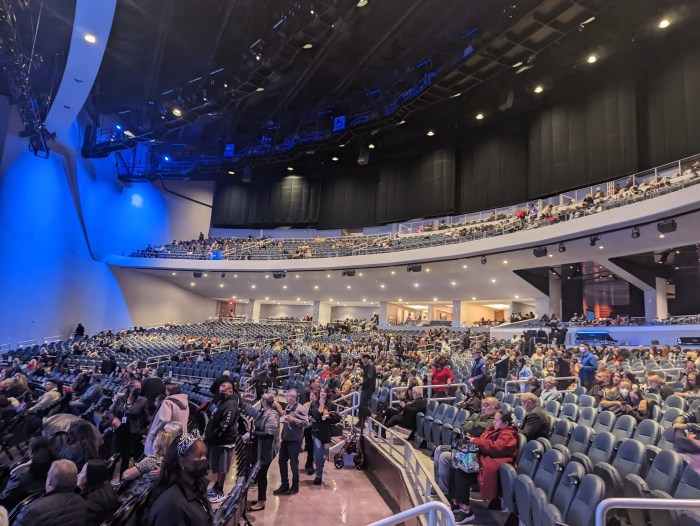
The aesthetic design of theatre seating plays a crucial role in shaping the overall audience experience and enhancing the ambiance of a performance space. Careful consideration of color palettes, fabric choices, and material selection can dramatically impact the visual appeal and contribute to the desired atmosphere. Lighting design further complements these elements, creating a cohesive and impactful visual presentation.
The impact of color, fabric patterns, and material choices on the aesthetic appeal of a theatre is significant. Rich, deep colors like burgundy, navy, or forest green can create a feeling of elegance and sophistication, often seen in traditional opera houses or grand Broadway theaters. Conversely, lighter, brighter colors like pastels or vibrant shades can evoke a more modern, playful, or informal atmosphere, suitable for smaller, experimental performance venues. Fabric patterns can also contribute to the overall aesthetic; a simple, textured fabric might be preferred for a minimalist design, while more elaborate patterns could enhance a more ornate or theatrical style. The choice of material – whether plush velvet, durable leather or sustainable recycled fabric – also impacts the perceived quality and comfort level, directly influencing the audience’s experience.
Color Palette and Material Selection in Different Theatre Types
Opera houses often feature opulent seating in rich velvets and deep jewel tones – think deep reds, golds, and blues. The luxurious feel of these materials, combined with the often ornate detailing of the seating itself, contributes to the overall sense of grandeur and formality. In contrast, a Broadway theatre might utilize a more contemporary approach, possibly incorporating bolder colors and more modern materials like high-quality leather or a sophisticated patterned fabric. The goal here is to balance comfort and visual appeal, creating a vibrant yet sophisticated atmosphere appropriate for the genre. Small-scale performance venues, on the other hand, often prioritize flexibility and affordability. They may opt for simpler, more durable fabrics in neutral colors or utilize repurposed materials to create a unique, intimate, and perhaps even slightly rustic ambiance. Imagine brightly colored, recycled plastic seating in a small, experimental theatre, contributing to a lively and unconventional feel.
The Role of Lighting in Complementing Theatre Seating
Lighting plays a crucial role in highlighting the beauty and texture of the theatre seating. Strategic placement of lighting fixtures can accentuate the fabric patterns, the shape of the seats, and the overall design of the seating arrangement. Warm, inviting lighting can enhance the luxurious feel of plush velvet seating, while cooler, more dramatic lighting can create a modern and edgy aesthetic. The interplay of light and shadow can also add depth and dimension to the space, drawing attention to the seating arrangement and contributing to the overall atmosphere. For instance, uplighting the backs of the seats can create a sense of height and grandeur, while strategically placed spotlights can highlight the unique features of each seat.
Seating Styles and Their Contribution to Overall Ambiance
Different seating styles inherently contribute to the overall ambiance. Traditional opera houses often feature individual, highly cushioned seats with armrests, providing a sense of personal space and luxury. These seats are frequently designed with ornate details, further enhancing the feeling of grandeur. Broadway theatres may feature more compact seating, often with less elaborate detailing, to maximize seating capacity while maintaining a comfortable viewing experience. In smaller performance venues, the seating might be more informal, perhaps consisting of simple chairs or even benches, contributing to a more intimate and casual atmosphere. The choice of seating style directly impacts the audience experience and the overall visual impression of the performance space. Consider the stark contrast between the individual, plush seats of a grand opera house and the simple, communal seating of a small, experimental theatre.
The Economics of Theatre Seating
Source: adsttc.com
Choosing the right theatre seating significantly impacts the overall project budget. Understanding the cost variations between different materials and configurations is crucial for effective financial planning. This section will explore the key economic factors influencing theatre seating choices, allowing for informed decision-making during renovations or new constructions.
Material Cost Comparisons
The cost of theatre seating varies greatly depending on the chosen materials. High-end seating often utilizes premium materials like real leather, high-density foam cushioning, and solid wood frames, resulting in a significantly higher price point compared to more budget-friendly options. For example, a single premium leather seat could cost several times more than a comparable seat upholstered in vinyl or fabric. Economy seating might use less durable materials, such as cheaper foams and plastics, leading to lower initial costs but potentially shorter lifespans and higher long-term replacement expenses.
Factors Influencing Theatre Seating Prices
Several factors contribute to the final price of theatre seating. Manufacturing costs are a primary driver; complex designs, intricate detailing, and specialized manufacturing processes all increase production expenses. The quality of materials directly influences cost; higher-grade materials, like premium leather or sustainably sourced wood, are inherently more expensive. Installation costs also play a significant role, varying based on the complexity of the installation, the accessibility of the venue, and the number of seats being installed. Finally, the chosen supplier and their associated markups contribute to the overall price. A reputable supplier specializing in high-quality seating will often command higher prices than a less established supplier.
Budgetary Impact of Seating Choices
The selection of theatre seating dramatically affects the overall budget. A large-scale theatre renovation or new construction project might involve hundreds or even thousands of seats. The cumulative cost difference between premium and economy seating options can therefore be substantial. For instance, opting for premium leather seating across a 500-seat theatre could easily add hundreds of thousands of dollars to the project budget compared to choosing a vinyl or fabric option. This necessitates careful consideration of the long-term value proposition. While premium seating offers superior comfort and durability, leading to potentially lower replacement costs over time, the initial investment is considerably higher. This trade-off needs to be carefully weighed against the available budget and the desired return on investment. A cost-benefit analysis comparing different seating options is essential for informed decision-making.
Last Word: Theatre Seating
Source: vecteezy.com
Designing effective theatre seating requires a multifaceted approach, balancing comfort, accessibility, aesthetics, and budget. By understanding the various factors involved – from the ergonomic principles guiding seat design to the economic realities of material selection and installation – we can create spaces that enhance the theatrical experience for everyone. Ultimately, thoughtful theatre seating elevates the performance, ensuring audience members are comfortable, engaged, and able to fully appreciate the show.