Commercial Office Design Spaces That Work
Commercial office design isn’t just about desks and chairs; it’s about crafting spaces that boost productivity, foster collaboration, and reflect your company’s brand. This guide dives into the key elements of creating a functional, aesthetically pleasing, and employee-centric workplace, from initial planning and design to incorporating the latest technology and considering long-term sustainability.
We’ll explore current trends, ergonomic considerations, the impact of technology, and budget-friendly solutions. We’ll also look at how to create spaces that support employee well-being and enhance your company’s image. Get ready to transform your office from a simple workspace into a thriving hub of innovation and productivity.
Defining Commercial Office Design Trends
Source: alamy.com
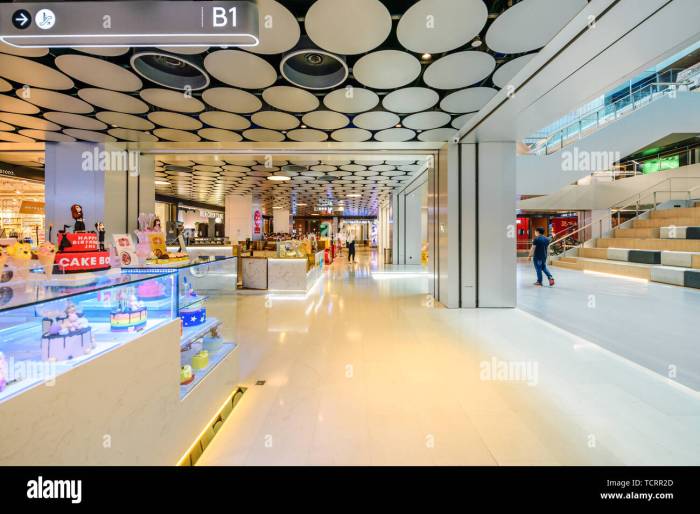
Commercial office design is constantly evolving, reflecting changes in workplace culture, technology, and sustainability concerns. Today’s offices prioritize employee well-being, collaboration, and flexibility, moving away from rigid, traditional layouts.
Prevalent Styles in Commercial Office Design
Several styles currently dominate commercial office design. Biophilic design, incorporating natural elements like plants and natural light, aims to improve employee mood and productivity. This is often combined with minimalist aesthetics, featuring clean lines, neutral color palettes, and functional furniture. Industrial-chic designs, utilizing exposed brick, metal accents, and high ceilings, offer a more rugged, creative feel. Finally, we’re seeing a rise in “human-centric” designs that prioritize ergonomic furniture, adjustable workstations, and spaces designed to support diverse work styles.
Technology’s Impact on Modern Office Spaces
Technology significantly impacts modern office design. Smart building technologies, such as automated lighting and climate control systems, enhance energy efficiency and occupant comfort. The integration of collaborative technology, including video conferencing systems and interactive whiteboards, supports remote work and team communication. Wireless connectivity is ubiquitous, enabling flexible work arrangements and mobile productivity. Data analytics are increasingly used to optimize office space utilization and improve workplace efficiency. For example, sensor data can track occupancy patterns, informing decisions about space allocation and resource management.
Open-Plan vs. Private Office Layouts: A Comparison
Open-plan offices foster collaboration and communication, but can also lead to noise distractions and a lack of privacy. Private offices, conversely, offer quiet concentration spaces but can feel isolating and limit spontaneous interaction. Many modern offices adopt a hybrid approach, combining open collaborative areas with quiet zones and private offices to cater to diverse work needs. The optimal layout depends on the company culture, the nature of the work, and employee preferences. Google’s campuses, for instance, are known for their open collaborative spaces, while law firms often favor more private office arrangements.
Sustainable Materials and Practices in Commercial Office Design
Sustainability is a key driver in modern commercial office design. The use of recycled and locally sourced materials reduces environmental impact and carbon footprint. Energy-efficient lighting, HVAC systems, and building materials are prioritized to minimize operational costs and environmental burdens LEED certification (Leadership in Energy and Environmental Design) provides a framework for sustainable building practices, encouraging the adoption of environmentally friendly design strategies. Companies are increasingly incorporating green roofs, rainwater harvesting systems, and other sustainable features to demonstrate their commitment to environmental responsibility. Examples include using reclaimed wood for flooring or incorporating solar panels into the building’s design.
Space Planning and Functionality
Source: behance.net
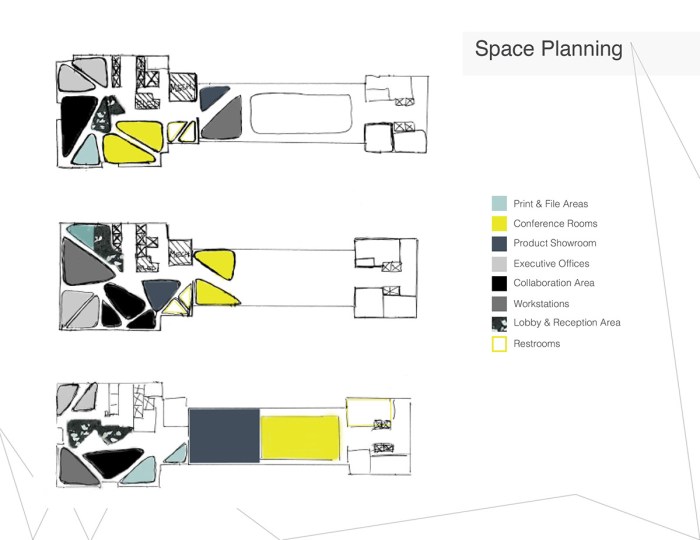
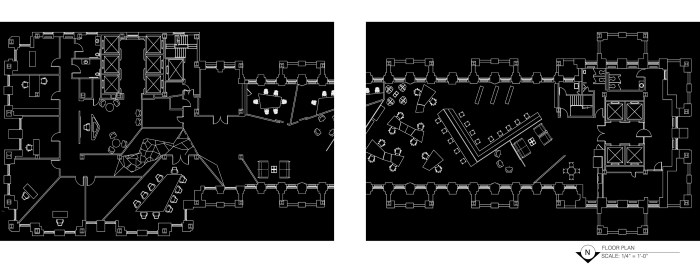
Smart space planning is crucial for a productive and enjoyable work environment. It’s about more than just fitting desks into a room; it’s about optimizing workflow, fostering collaboration, and creating a space that reflects your company culture. This involves careful consideration of factors like natural light, noise levels, and the specific needs of your team.
Effective space planning considers the interplay between individual work styles and team dynamics. A well-planned office encourages both focused individual work and seamless collaboration, creating a balanced and productive atmosphere. Different office sizes require varied approaches, emphasizing flexibility and adaptability to changing needs.
Sample Floor Plan for a Small Tech Startup
Imagine a 1500-square-foot office for a 20-person tech startup. The plan would prioritize open collaboration areas. A central, open-plan workspace would accommodate most of the team, with individual desks clustered to encourage informal interaction. A quieter area, perhaps separated by a low partition or strategically placed plants, could provide space for focused work. A small meeting room, ideally with natural light and equipped with a whiteboard and video conferencing capabilities, would be essential for team meetings and client calls. A break room with comfortable seating and a kitchenette would complete the layout, encouraging informal communication and relaxation. Natural light would be maximized by placing desks near windows and utilizing glass partitions where possible. The noise would be minimized through the strategic placement of quieter areas and the use of sound-absorbing materials.
Maximizing Natural Light and Minimizing Noise Distractions
Natural light significantly boosts mood and productivity. In our sample startup office, desks are positioned near windows to maximize natural light exposure. For areas further from windows, light-colored walls and ceilings reflect available light. Noise reduction is achieved through a combination of strategies. The open-plan area uses sound-absorbing materials like carpets and acoustic panels. The quieter area is strategically placed away from high-traffic areas. Plants can also help absorb sound and create visual separation.
Effective Space Utilization Techniques for Various Office Sizes
For smaller offices (under 1000 sq ft), maximizing vertical space with modular shelving and multi-functional furniture is key. Consider using fold-down desks or convertible furniture to adapt to changing needs. In larger offices (over 2000 sq ft), zoning becomes crucial. Designate specific areas for different functions—quiet zones, collaborative spaces, meeting rooms, etc.—to promote focused work and efficient teamwork. A central hub or common area can serve as a social space, encouraging interaction and team building.
Approaches to Creating Collaborative Workspaces
Collaborative spaces can take many forms. A dedicated “huddle room” for quick brainstorming sessions, equipped with a whiteboard and comfortable seating, is a great option. Open-plan areas with easily reconfigurable furniture allow for spontaneous collaboration. Alternatively, a dedicated project room, equipped with large screens and comfortable seating, can facilitate larger team projects. In all cases, the design should encourage interaction and information sharing, supporting a culture of collaboration and innovation.
The Role of Ergonomics and Employee Well-being
Source: behance.net
Creating a productive and thriving workplace isn’t just about aesthetics; it’s about prioritizing the health and comfort of your employees. Ergonomics plays a crucial role in achieving this, directly impacting productivity and overall employee well-being. Investing in ergonomic design isn’t just a cost; it’s a strategic move towards a more efficient and happier workforce.
Ergonomic furniture and its impact on productivity is significant. When employees are comfortable and their bodies are properly supported, they experience less fatigue and discomfort. This translates directly into increased focus, reduced errors, and improved overall output. Studies have shown a direct correlation between ergonomic workstations and reduced musculoskeletal disorders, leading to less absenteeism and increased employee retention. For example, a company that invested in adjustable-height desks saw a 15% reduction in reported back pain and a 10% increase in employee productivity within six months.
Ergonomic Furniture and Workspace Design
Proper ergonomic setup involves selecting chairs with adjustable height and lumbar support, desks that allow for standing or sitting, and monitors positioned at eye level to minimize neck strain. Keyboards and mice should be placed to avoid wrist strain, and sufficient lighting should be provided to reduce eye fatigue. The workspace should also be designed to accommodate individual needs, allowing for personalized adjustments. Consider providing a variety of seating options, such as ergonomic chairs, balance balls, and kneeling chairs, to cater to diverse preferences and physical needs. This approach fosters a sense of agency and control over their work environment, boosting morale and comfort.
Strategies for Promoting a Healthy and Comfortable Work Environment
Beyond furniture, a holistic approach to well-being is crucial. This involves incorporating elements that encourage movement, relaxation, and social interaction. Encouraging regular breaks, providing access to quiet spaces for meditation or relaxation, and implementing standing desk policies are effective strategies. Furthermore, organizing team-building activities and providing opportunities for social interaction can foster a positive and supportive work environment. Implementing a wellness program, which could include on-site fitness facilities, health workshops, or subsidized gym memberships, demonstrates a commitment to employee well-being and boosts morale.
Features Supporting Employee Well-being in the Office
A well-designed office should incorporate several features that support employee well-being.
- Adjustable height desks: Allow employees to alternate between sitting and standing, promoting better posture and reducing back pain.
- Ergonomic chairs: Provide proper lumbar support and adjustability to minimize discomfort and fatigue.
- Proper lighting: Reduces eye strain and improves focus, with options for natural light and adjustable task lighting.
- Quiet zones/meditation rooms: Offer spaces for relaxation and stress reduction.
- Break rooms with comfortable seating and healthy snacks: Encourage breaks and social interaction.
- Indoor plants: Improve air quality and create a more calming atmosphere.
- Access to natural light: Boosts mood and productivity.
Office Design to Reduce Stress and Improve Employee Morale
The office environment significantly impacts employee stress levels and morale. A well-designed space minimizes stress triggers. Open floor plans with collaborative areas can foster teamwork and communication, while private offices or quiet zones provide spaces for focused work and privacy. Natural light, plants, and calming color palettes contribute to a more relaxed and inviting atmosphere. Incorporating elements of biophilic design – integrating natural elements into the workspace – has been shown to reduce stress and improve mood. For example, a study by the University of Exeter found that employees in offices with natural light reported lower levels of stress and higher levels of job satisfaction. Investing in a comfortable and supportive work environment is a tangible demonstration of the company’s commitment to its employees’ well-being, leading to increased loyalty and a more positive work culture.
Branding and Aesthetics in Commercial Office Design
Source: behance.net
Your office space is more than just a place to work; it’s a reflection of your company’s brand and culture. A well-designed office can attract top talent, boost employee morale, and create a positive impression on clients. Smart use of branding and aesthetics plays a crucial role in achieving this.
Integrating branding and aesthetics effectively requires a holistic approach, considering everything from the reception area to the smallest detail. It’s about creating a cohesive environment that consistently communicates your company’s values and personality. This goes beyond simply choosing colors; it’s about crafting an experience.
Reception Area Design Reflecting Brand Identity
The reception area is the first impression visitors have of your company. It should immediately communicate your brand’s personality and values. For a tech startup, this might mean a modern, minimalist space with bright colors and innovative furniture. A law firm, on the other hand, might opt for a more traditional, sophisticated design with rich wood tones and classic furnishings. Consistent use of the company logo, color palette, and typography throughout the reception area reinforces brand recognition. Consider incorporating interactive elements, such as digital displays showcasing company achievements or employee spotlights, to further enhance the visitor experience.
Impact of Color Palettes and Lighting on Office Atmosphere
Color psychology plays a significant role in shaping the office atmosphere. Warm colors like oranges and yellows can create a feeling of energy and enthusiasm, while cool colors like blues and greens promote calmness and productivity. A well-lit space is essential for both functionality and mood. Natural light is ideal, but strategically placed artificial lighting can compensate for areas with limited natural light. Consider using a combination of ambient, task, and accent lighting to create a layered and inviting atmosphere. For instance, a law firm might favor subdued lighting with rich, warm tones to convey a sense of professionalism and trust, while a creative agency might use bright, vibrant lighting to stimulate innovation and collaboration.
Use of Art and Décor to Enhance the Office Environment
Art and décor are powerful tools for enhancing the office environment and reflecting company culture. Strategic placement of artwork can inspire creativity, spark conversations, and create a more engaging space. The choice of art should align with the company’s brand and values. For example, a company focused on sustainability might display nature-inspired artwork, while a technology firm might feature abstract pieces that represent innovation. Furthermore, incorporating plants into the office design can improve air quality and create a more calming atmosphere. The use of sculptures, unique furniture pieces, and other decorative elements adds character and personality, further enriching the overall office experience.
Design Styles for Various Industries
Different industries benefit from different design approaches. A tech company might thrive in an open-plan, collaborative workspace with a minimalist aesthetic, characterized by clean lines, neutral colors, and modern furniture. In contrast, a financial institution might prefer a more formal, traditional design with private offices, classic furniture, and a sophisticated color palette. A creative agency might embrace a vibrant, eclectic style with bold colors, unique artwork, and unconventional furniture arrangements to foster innovation and self-expression. The key is to select a design style that aligns with the industry’s culture and the company’s specific needs and brand identity.
Technology Integration in Commercial Office Design
Source: designlabinternational.com
Smart technology is no longer a luxury but a necessity in modern commercial office spaces. Seamless integration of these technologies enhances productivity, improves communication, and fosters a more engaging work environment. This section explores the key aspects of technology integration in contemporary office design, focusing on practical applications and design considerations.
Smart technology significantly impacts how offices operate and how employees interact with their workspace. This integration extends beyond simple Wi-Fi access to encompass a wide range of systems designed to optimize efficiency and employee experience.
Smart Technology Integration Examples
The implementation of smart technology offers numerous benefits. For instance, smart lighting systems adjust brightness and color temperature based on the time of day and occupancy, improving both energy efficiency and employee well-being. Smart HVAC systems learn user preferences and optimize temperature control for individual comfort, reducing energy waste and improving the overall environment. Access control systems, integrated with security cameras and facial recognition, enhance security and streamline entry procedures. These systems can be centrally managed, providing real-time data and insights into building performance.
Technology’s Impact on Communication and Collaboration
Modern communication and collaboration tools are central to the effective functioning of today’s office. High-quality video conferencing systems facilitate seamless communication with remote teams and clients, regardless of geographical location. Interactive whiteboards allow for real-time brainstorming and collaboration during meetings. Cloud-based document-sharing platforms enable easy access to files from any device, enhancing teamwork and project management. These tools contribute to a more dynamic and connected work environment, breaking down traditional barriers to communication and information sharing. For example, a company using a unified communication platform can easily integrate video conferencing, instant messaging, and file sharing, creating a single hub for all workplace communication.
Design Considerations for Advanced AV Systems
Incorporating advanced audio-visual (AV) systems requires careful planning and design considerations. Sufficient cabling infrastructure needs to be installed to support multiple devices and high-bandwidth applications. Proper acoustic treatment is crucial to minimize noise and ensure clear audio during presentations and video conferencing. The placement of screens and projectors should be carefully considered to ensure optimal viewing angles for all participants. Furthermore, the design should account for the seamless integration of AV equipment into the overall office aesthetic, ensuring it doesn’t detract from the overall design scheme. For example, discreetly placed speakers and cabling within the ceiling or walls can maintain a clean and uncluttered look.
Robust and Reliable Internet Infrastructure
A robust and reliable internet infrastructure is the backbone of any technologically advanced office. This requires a high-speed internet connection with sufficient bandwidth to support all devices and applications. Redundant internet connections and backup systems are crucial to ensure uninterrupted service in case of outages. Wi-Fi coverage needs to be consistent throughout the office space, with strong signals in all areas, including meeting rooms and collaborative workspaces. Proper network security measures are also essential to protect sensitive data and prevent cyber threats. Investing in a reliable internet infrastructure is not merely a technological necessity; it’s a fundamental aspect of maintaining business continuity and productivity. Consider a scenario where a company experiences a prolonged internet outage: this could halt operations, resulting in significant financial losses and reputational damage.
Cost Considerations and Budgeting in Commercial Office Design
Source: behance.net
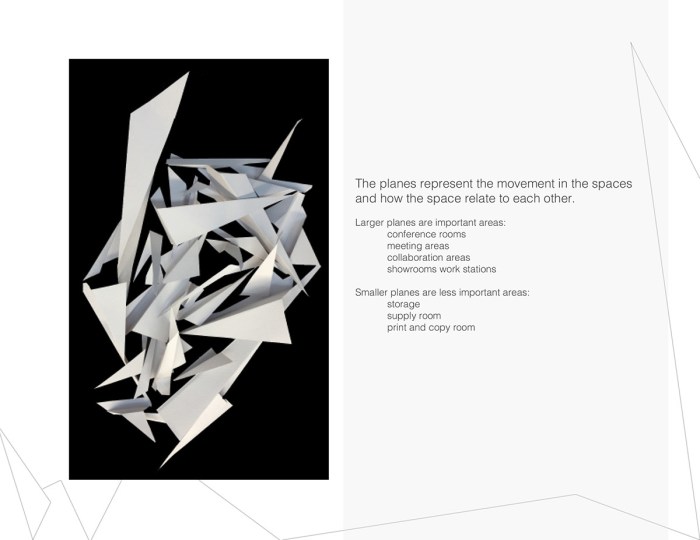
Designing a commercial office space involves significant financial planning. Understanding the various cost factors and developing a realistic budget is crucial for a successful project, ensuring that the final design meets both aesthetic and functional needs without exceeding financial limits. Careful consideration of various cost elements from the outset prevents costly overruns and allows for strategic decision-making throughout the design process.
Sample Budget Breakdown for a Mid-Sized Office Renovation
This example illustrates a potential budget breakdown for renovating a 5,000-square-foot mid-sized office. Remember that these figures are estimates and can vary greatly based on location, chosen materials, and the complexity of the renovation.
| Category | Estimated Cost | Percentage of Total |
|---|---|---|
| Design Fees (Architect, Interior Designer) | $25,000 | 10% |
| Construction and Demolition | $150,000 | 60% |
| Furniture, Fixtures, and Equipment (FF&E) | $50,000 | 20% |
| Technology Integration (Networking, AV) | $20,000 | 8% |
| Permits and Inspections | $5,000 | 2% |
| Total Estimated Cost | $250,000 | 100% |
Cost-Effective Design Solutions, Commercial office design
Achieving a high-quality design doesn’t necessitate exorbitant spending. Several strategies can significantly reduce costs without compromising the overall aesthetic or functionality. For instance, opting for modular furniture allows for flexibility and adaptability, reducing long-term costs associated with replacing entire sets. Using readily available materials like reclaimed wood or sustainably sourced options can also lower expenses while promoting environmentally conscious practices. Prioritizing efficient space planning minimizes wasted square footage, further reducing material and construction costs.
Return on Investment (ROI) of High-Quality Office Design
Investing in a well-designed office space yields substantial returns. A thoughtfully designed environment enhances employee productivity, morale, and retention. Improved employee well-being translates to reduced absenteeism and higher job satisfaction, leading to increased profitability. Furthermore, a modern and attractive office space can enhance a company’s brand image and attract top talent, contributing to long-term success. A study by the International Facility Management Association (IFMA) indicated that companies with well-designed offices experienced a 10-15% increase in employee productivity.
Comparison of Design Materials and Finishes
Different materials and finishes carry varying price points. For example, hardwood flooring is more expensive than laminate or vinyl, but it offers greater durability and a more sophisticated aesthetic. Similarly, custom-made cabinetry is pricier than pre-fabricated options, but it allows for greater design flexibility and a tailored look. Choosing materials wisely, and balancing cost with longevity and aesthetic appeal, is key to creating a cost-effective and visually appealing office space. Consider using cost-effective materials in less visible areas while reserving higher-quality options for spaces with greater visibility and use.
Case Studies of Successful Commercial Office Designs
Source: estestinc.com
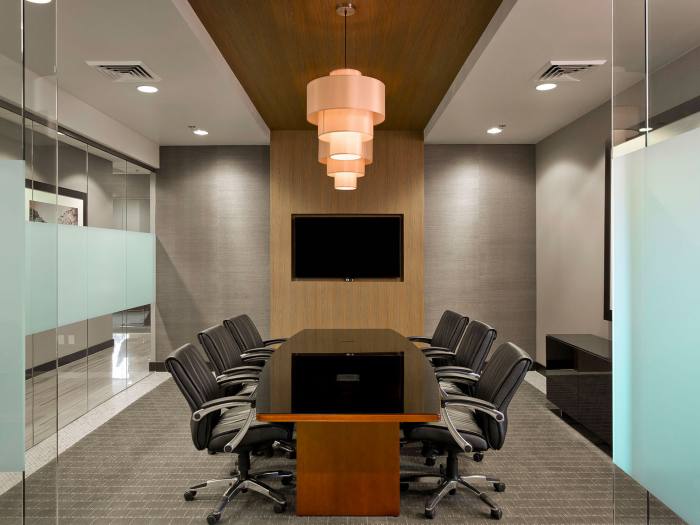
Analyzing successful office designs reveals key principles for creating productive and engaging workspaces. Different industries have varying needs, impacting the optimal design approach. Examining these case studies provides valuable insights for future projects.
Creative Agency Office Design: The Collaborative Canvas
This successful creative agency, “InnoVision,” occupies a loft space. The design emphasizes open collaboration. Large communal work areas are interspersed with smaller, more private breakout spaces for focused work. Exposed brick walls and high ceilings create a raw, industrial aesthetic, complemented by bright pops of color in furniture and artwork. Natural light floods the space through large windows. Whiteboards and pin-up boards are strategically placed throughout, encouraging spontaneous idea generation. The impact is a highly energized, creative atmosphere that fosters teamwork and innovation. Employees report increased collaboration and a stronger sense of community. The flexible layout allows for easy reconfiguration to accommodate evolving project needs.
Financial Institution Workspace: Modern and Secure
The “Apex Financial” headquarters showcases a sophisticated, high-performing workspace. The design balances functionality with a modern aesthetic. Individual workspaces are more defined than in the InnoVision design, reflecting the need for focused, individual work in a financial setting. However, collaborative areas are still included, such as dedicated meeting rooms with advanced technology for video conferencing and presentations. Security is a paramount concern, with access control systems and secure server rooms integrated seamlessly into the design. A calming color palette, incorporating neutral tones and natural materials, contributes to a professional and reassuring atmosphere. The result is a workspace that promotes both individual productivity and effective teamwork while maintaining the high-security standards required by the financial industry.
Innovation and Collaboration: Examples of Synergistic Spaces
Several office designs effectively promote innovation and collaboration. Google’s offices are frequently cited for their playful, informal atmosphere, featuring slides, nap pods, and collaborative workspaces designed to spark creativity. Similarly, many tech startups adopt open-plan layouts with flexible furniture, fostering a dynamic and interactive work environment. These designs prioritize employee well-being and encourage spontaneous interactions, leading to increased idea generation and problem-solving. The key element is the creation of spaces that are not only functional but also inspire creativity and encourage interaction.
Comparative Table of Successful Office Designs
| Company | Industry | Key Design Features | Impact |
|---|---|---|---|
| InnoVision | Creative Agency | Open plan, exposed brick, collaborative spaces, bright colors | Increased collaboration, a greater sense of community |
| Apex Financial | Financial Institution | Defined workspaces, advanced technology, secure access, calming color palette | Enhanced productivity, effective teamwork, high security |
| Google (Example) | Technology | Playful design, flexible furniture, collaborative spaces, and focus on employee well-being. | Increased innovation, improved employee morale |
| Tech Startup (Example) | Technology | Open-plan layout, flexible furniture, informal atmosphere | Dynamic and interactive work environment, increased idea generation |
Future Trends in Commercial Office Design
Source: behance.net
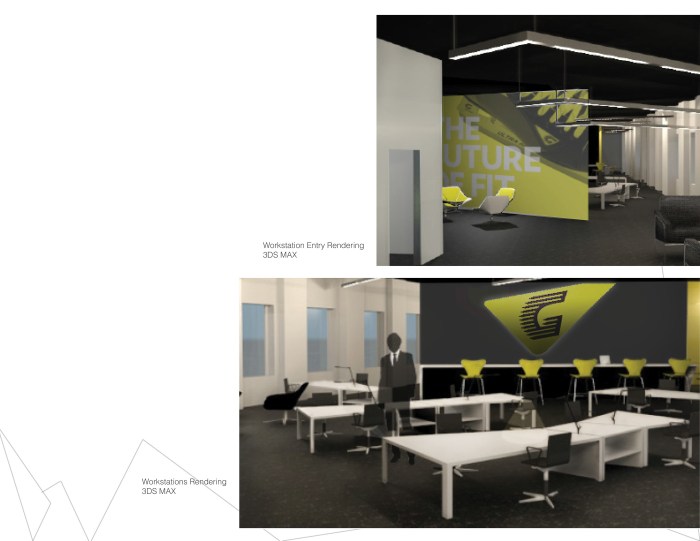
The future of commercial office design is dynamic, driven by evolving work styles, technological advancements, and a growing focus on employee well-being. We’re moving beyond the traditional cubicle farm towards spaces that are flexible, adaptable, and truly support the needs of a modern workforce. This shift is influenced significantly by the increasing prevalence of remote work and the desire for a more human-centric workplace experience.
The Impact of Remote Work on Future Office Design
The rise of remote work necessitates a reimagining of the office’s purpose. It’s no longer solely a place for individual work; instead, the office becomes a hub for collaboration, innovation, and social interaction. This shift is reflected in designs that prioritize communal spaces, technology-enabled meeting rooms, and areas conducive to informal gatherings and teamwork. For example, we’re seeing a surge in activity-based working environments, where employees can choose spaces tailored to their specific tasks—quiet zones for focused work, collaborative hubs for brainstorming, and social areas for relaxation and networking. Companies like Google and Facebook have already implemented this approach, showcasing the effectiveness of such designs in boosting employee engagement and productivity.
Flexibility and Adaptability in Office Spaces
Flexibility and adaptability are paramount in modern office design. Spaces need to be easily reconfigurable to accommodate changing team sizes, project needs, and evolving work styles. This involves incorporating modular furniture, movable partitions, and adaptable layouts. The use of smart technology allows for seamless space management and optimization, enabling companies to adjust their office configurations to meet their immediate needs. Consider, for instance, offices utilizing sensors to monitor occupancy and adjust lighting and temperature accordingly, ensuring optimal energy efficiency and employee comfort. This dynamic approach ensures that the office remains relevant and functional in the face of unpredictable change.
A Conceptual Future Office Space
Imagine an office building with a central atrium, bathed in natural light. This atrium serves as a vibrant social hub, equipped with comfortable seating, collaborative work tables, and a café. Surrounding the atrium are modular workspaces, easily reconfigured to accommodate various team sizes and project requirements. These workspaces are equipped with advanced technology, including interactive screens, video conferencing facilities, and ergonomic furniture. Quiet zones are strategically located for focused individual work, offering comfortable seating and noise-canceling technology. Outdoor terraces provide opportunities for relaxation and informal meetings, fostering a sense of well-being and connection with nature. The entire space is designed to be highly sustainable, utilizing energy-efficient systems and incorporating natural materials. This holistic approach to design prioritizes both productivity and employee well-being, creating a dynamic and inspiring work environment. The design also incorporates flexible booking systems for meeting rooms and workspaces, allowing for optimal resource utilization and efficient space management.
Final Review
Source: behance.net
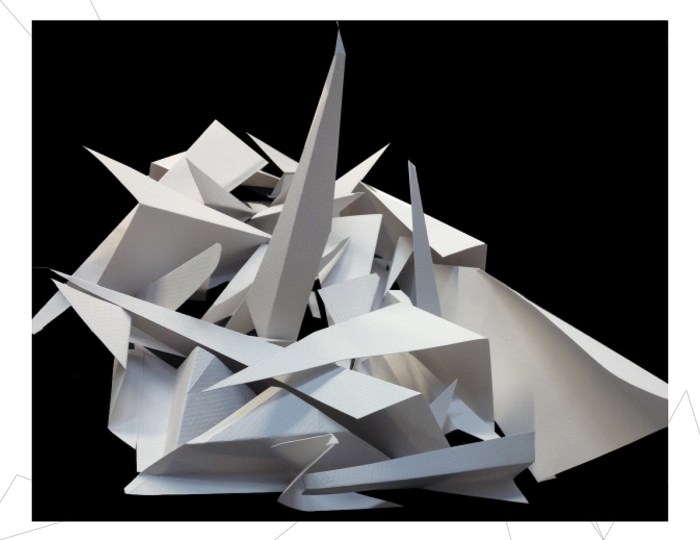
Designing a successful commercial office space requires careful consideration of many factors. From maximizing space efficiency and incorporating ergonomic principles to integrating technology and reflecting your brand identity, every detail contributes to a productive and inspiring environment. By understanding current trends, prioritizing employee well-being, and planning for the future, you can create an office that not only meets your business needs but also enhances your employees’ experience and ultimately, your bottom line. Remember, the right design isn’t just about aesthetics; it’s an investment in your team and your company’s success.