Office Interior Design Creating Productive Spaces
Office interior design isn’t just about aesthetics; it’s about crafting a workspace that boosts productivity, and well-being, and reflects your company’s brand. From choosing sustainable materials to incorporating biophilic design elements, the choices you make directly impact your employees and your bottom line. This guide explores the key trends, considerations, and strategies for designing an office that’s both functional and inspiring.
We’ll delve into the latest trends, examining how technology and sustainability are reshaping modern offices. We’ll also explore the impact of design on employee well-being, covering crucial aspects like lighting, acoustics, and ergonomics. Budgeting and cost-effective solutions will be addressed, along with a look at different design styles and how they can reflect company culture. Finally, we’ll discuss workplace safety and accessibility to ensure your office is a safe and inclusive environment for everyone.
Trends in Office Interior Design
Office interior design is constantly evolving, reflecting changes in work culture, technology, and sustainability concerns. Understanding these trends is crucial for creating productive and appealing workspaces.
Top Three Current Trends in Office Interior Design
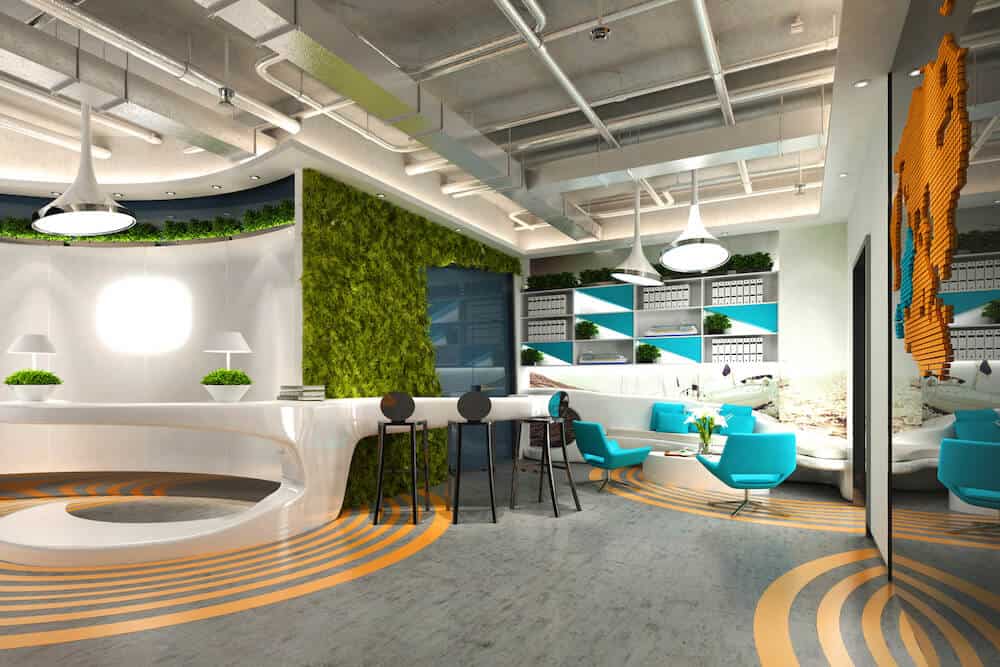
Three prominent trends currently shaping office design are biophilic design, flexible workspaces, and the incorporation of technology to enhance collaboration and productivity. Biophilic design focuses on integrating natural elements into the office environment, promoting well-being and reducing stress. Flexible workspaces accommodate diverse work styles and team sizes, offering a variety of settings for individual focus and collaborative projects. Finally, technology integration enhances communication, data sharing, and overall efficiency.
Sustainable Materials in Modern Office Spaces
Sustainability is no longer a niche consideration; it’s a core element of modern office design. Many companies are prioritizing the use of recycled and reclaimed materials, such as reclaimed wood for flooring or furniture made from recycled plastic. The use of low-VOC (volatile organic compound) paints and finishes minimizes harmful emissions, improving indoor air quality. Furthermore, the incorporation of sustainable building materials like bamboo or sustainably harvested wood reduces the environmental impact of construction and operation. Companies are also increasingly focusing on energy-efficient lighting and HVAC systems, reducing their carbon footprint.
The Impact of Technology on Modern Office Design
Technology is profoundly reshaping office design. Smart building technologies, such as automated lighting and climate control, optimize energy efficiency and create a more comfortable workspace. The rise of collaborative technologies necessitates the inclusion of spaces designed for video conferencing and virtual meetings. This often includes dedicated huddle rooms equipped with high-quality audio-visual equipment. Furthermore, wireless connectivity and mobile device integration are critical considerations, ensuring seamless access to information and communication tools. The integration of these technologies is not merely about adding gadgets; it’s about creating a seamless and efficient workflow.
Open-Plan vs. Traditional Private Offices
The choice between open-plan and traditional private offices involves a trade-off between collaboration and individual focus.
| Feature | Open-Plan Office | Traditional Private Office |
|---|---|---|
| Collaboration | High: Promotes spontaneous interaction and teamwork. | Low: Limited opportunities for casual collaboration. |
| Privacy | Low: Noise and distractions can be significant. | High: Provide a quiet and focused work environment. |
| Cost-Effectiveness | Generally lower initial cost per employee. | Higher initial cost due to individual office construction. |
| Flexibility | Highly flexible, and easily adaptable to changing needs. | Less flexible; changes require significant restructuring. |
Impact of Office Design on Productivity and Well-being
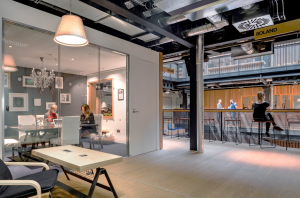
Office design significantly impacts employee productivity and well-being. A thoughtfully designed workspace can foster collaboration, creativity, and focus, leading to increased efficiency and job satisfaction. Conversely, a poorly designed office can contribute to stress, fatigue, and decreased productivity. Understanding the interplay between the physical environment and employee performance is crucial for creating a successful and healthy workplace.
The Relationship Between Office Design and Employee Productivity
Studies consistently demonstrate a strong correlation between office design and employee productivity. Factors such as adequate workspace, ergonomic furniture, natural light, and access to amenities all contribute to a more productive work environment. For example, a study by the University of Exeter found that employees in offices with access to natural light reported higher levels of productivity and lower rates of absenteeism. Similarly, providing employees with ergonomic chairs and adjustable desks can reduce musculoskeletal problems and increase comfort, thereby improving focus and output. Open-plan offices, while potentially fostering collaboration, can also lead to distractions if not carefully designed with noise-reducing elements and designated quiet zones.
The Effects of Lighting, Color, and Acoustics on Employee Well-being
Lighting, color, and acoustics play a crucial role in shaping the atmosphere of an office and influencing employee well-being. Insufficient or harsh lighting can cause eye strain and headaches, leading to decreased concentration and fatigue. Natural light is preferable, as it helps regulate circadian rhythms and improve mood. The color palette of an office also impacts mood and productivity. Calming colors like blues and greens can promote relaxation and focus, while brighter colors like yellows and oranges can stimulate creativity and energy. Poor acoustics, such as excessive noise or echoes, can lead to stress, reduced concentration, and impaired communication. Implementing sound-absorbing materials and designing quiet zones can mitigate these negative effects.
Biophilic Design Elements and Their Benefits
Biophilic design incorporates natural elements into the built environment to enhance well-being. This can include incorporating plants, natural light, natural materials like wood and stone, and views of nature. Studies have shown that biophilic design can reduce stress, improve mood, increase creativity, and boost productivity. For example, incorporating plants into an office can improve air quality, reduce noise levels, and create a more calming and aesthetically pleasing environment. Views of nature, even through windows, can reduce stress and improve cognitive function. The use of natural materials can create a warmer and more inviting atmosphere.
Sample Floor Plan Incorporating Elements that Promote Productivity and Well-being
Imagine a floor plan with a central open-plan area for collaboration, surrounded by smaller, quieter individual workspaces and team rooms. The central area features plenty of natural light, plants, and comfortable seating. Individual workspaces are equipped with ergonomic chairs and adjustable desks, and each has access to natural light. Team rooms are designed for collaborative work, with comfortable seating and whiteboards. Quiet zones, strategically located, provide spaces for focused work or breaks. The color palette is a mix of calming blues and greens, accented with warmer yellows and oranges in collaborative areas. Sound-absorbing materials are used throughout to minimize noise distractions. The overall design aims to balance collaboration and individual focus, incorporating biophilic elements to create a healthy and productive work environment. This design prioritizes both individual needs for focused work and collaborative opportunities, with a strong emphasis on natural light, comfortable spaces, and noise reduction to maximize productivity and employee well-being.
Budgeting and Cost Considerations in Office Design
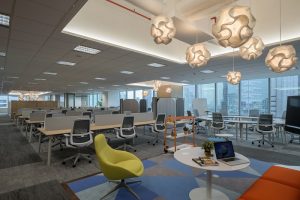
Effective office design balances aesthetics and functionality with financial responsibility. Creating a stunning workspace shouldn’t break the bank; smart planning and strategic choices can significantly impact your bottom line. This section Artikels key strategies for optimizing your office design within a predetermined budget, identifying cost factors, and suggesting cost-effective solutions.
Key Cost Factors in Office Renovation
Understanding the major cost drivers is crucial for accurate budgeting. Ignoring these can lead to significant overruns. Failing to account for unforeseen expenses is a common pitfall in renovation projects. The following are critical areas to consider:
- Demolition and Construction: This includes removing existing structures, and installing new walls, flooring, and ceilings. Costs vary greatly depending on the scale of the renovation and the complexity of the work.
- Materials: The selection of materials significantly influences the overall cost. High-end finishes like custom cabinetry or imported stone will be considerably more expensive than standard options.
- Labor: Skilled labor, such as electricians, plumbers, and carpenters, represents a substantial portion of the budget. Project timelines and the complexity of the work will directly affect labor costs.
- Furniture and Fixtures: The cost of office furniture, including desks, chairs, filing cabinets, and lighting fixtures, can add up quickly. Choosing cost-effective yet functional options is essential.
- Technology and Infrastructure: Installing or upgrading network cabling, electrical systems, and other technological infrastructure can be a significant expense, especially in larger offices.
- Permits and Inspections: Obtaining necessary building permits and scheduling inspections adds to the overall project cost.
- Contingency: Always include a contingency fund (typically 10-20% of the total budget) to cover unforeseen expenses or changes in scope.
Cost-Effective Materials and Design Solutions
Numerous cost-effective options exist without compromising quality or aesthetics. Prioritizing durable, versatile materials can minimize long-term replacement costs.
- Modular Furniture: Modular furniture systems offer flexibility and adaptability, allowing for easy reconfiguration as needs change. They are often more cost-effective than custom-built solutions.
- Repurposed Materials: Incorporating reclaimed wood, recycled metal, or other repurposed materials can add character and reduce environmental impact while saving money.
- Affordable Flooring Options: Consider durable and cost-effective flooring choices like laminate, engineered wood, or commercial-grade carpet tiles, which are easier to replace section by section if needed.
- Strategic Lighting: Employing energy-efficient LED lighting not only reduces energy costs but also contributes to a more sustainable and visually appealing office environment. Consider natural light maximization through window placement and minimal window treatments.
- Paint and Color Schemes: The strategic use of paint can dramatically alter the feel of a space. Light and bright colors can make a room feel larger and more open, reducing the need for extensive renovations.
Creating a Realistic Budget for Office Interior Design
A well-defined budget is the cornerstone of a successful office design project. Failing to properly budget can lead to cost overruns and project delays. The budget should be broken down into several key categories:
- Pre-design Phase: This includes initial consultations, site surveys, and design concept development. Allocate a percentage (e.g., 5-10%) for this stage.
- Design and Documentation: This covers detailed design drawings, specifications, and construction documents. Typically, this constitutes 10-15% of the total budget.
- Construction Costs: This is the largest portion of the budget, encompassing demolition, construction, and installation of fixtures and finishes. Allocate the majority of your budget (e.g., 60-70%) here.
- Furniture, Fixtures, and Equipment (FF&E): This includes purchasing and installing office furniture, lighting, and other equipment. Allocate a significant portion (e.g., 15-20%) for this category.
- Contingency: As mentioned earlier, always include a contingency fund (10-20%) to account for unforeseen circumstances.
Different Office Design Styles
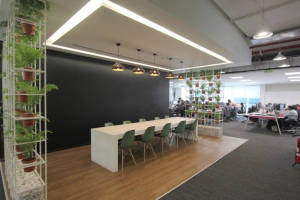
Choosing the right office design style is crucial for creating a productive and aesthetically pleasing workspace. The style you select should reflect your company’s brand, culture, and the overall work environment you aim to foster. Different styles offer distinct advantages and cater to various needs and preferences.
Characteristics of Minimalist, Modern, and Traditional Office Design Styles
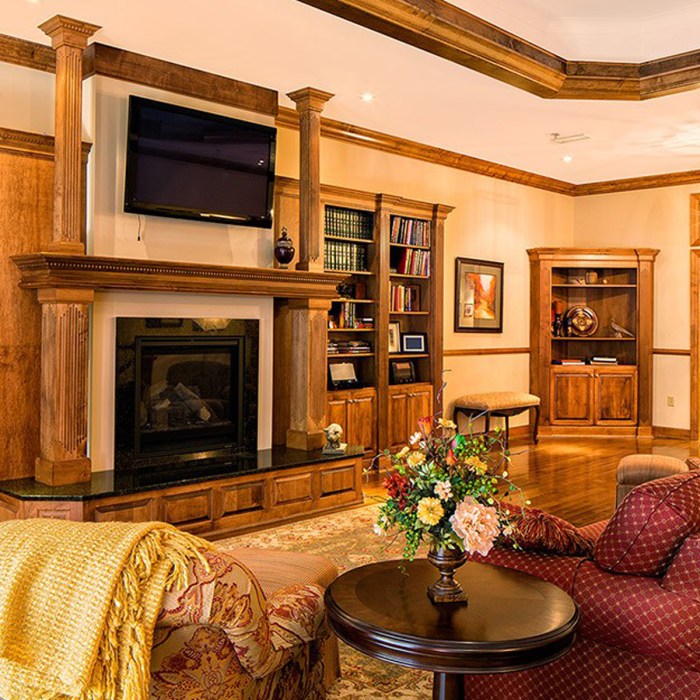
Minimalist, modern, and traditional styles represent three distinct approaches to office design. The minimalist design emphasizes simplicity, functionality, and clean lines, often utilizing a neutral color palette and a limited number of carefully chosen furniture pieces. Modern design prioritizes clean lines, functionality, and a focus on innovative materials and technology. It often incorporates open floor plans and a more contemporary aesthetic. Traditional office design, conversely, features classic elements such as ornate furniture, rich colors, and a more formal atmosphere. The choice between these styles depends heavily on the desired atmosphere and the company’s image.
Color Palettes in Different Office Design Styles
Color plays a significant role in shaping the mood and feel of an office space. Minimalist offices typically utilize a neutral palette of whites, grays, and beiges, sometimes accented with a single bold color. Modern offices often incorporate brighter, more vibrant colors, but still maintain a sense of balance and sophistication. Traditional offices tend to feature richer, more saturated colors, such as deep blues, greens, and reds, often combined with gold or bronze accents. The use of color is instrumental in creating the desired ambiance – calming neutrality for focus in minimalist spaces, stimulating energy in modern designs, and a sense of established authority in traditional settings.
Visual Description of an Industrial-Chic Office
Imagine a spacious office with exposed brick walls painted a warm, charcoal gray. The floor is polished concrete, showcasing its natural texture. Steel-framed windows allow ample natural light to flood the space. The furniture is a mix of vintage industrial pieces – repurposed metal desks with simple wooden tops, and comfortable leather armchairs. Pendant lights with Edison bulbs hang above the desks, providing a warm, ambient glow. The color scheme is predominantly neutral, with accents of deep teal and rusty orange in throw pillows and artwork. Metal shelving units display company memorabilia and plants, adding a touch of organic warmth to the otherwise industrial aesthetic. This style evokes creativity and innovation while maintaining a professional and functional environment.
Office Design Styles Reflecting Brand and Culture
A tech startup might opt for a modern, open-plan office with vibrant colors and collaborative workspaces, reflecting its innovative and dynamic culture. A law firm, on the other hand, might prefer a more traditional design with sophisticated furniture and a formal atmosphere, conveying professionalism and trustworthiness. A design firm might embrace an industrial chic aesthetic, showcasing creativity and a unique brand identity through the use of reclaimed materials and unconventional design elements. The careful selection of design elements, from color palettes to furniture choices, allows a company to visually communicate its values, personality, and brand identity to employees and clients alike.
Ergonomics and Workplace Safety in Office Design: Office Interior Design
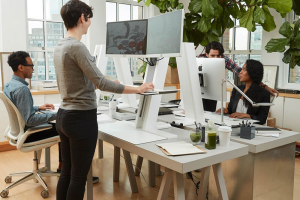
Creating a safe and comfortable workspace is crucial for employee well-being and productivity. A well-designed office considers ergonomics, safety protocols, and accessibility for all employees. Neglecting these factors can lead to decreased productivity, increased injury rates, and legal liabilities. This section details the key considerations for designing an ergonomic and safe office environment.
Ergonomic Considerations in Office Furniture Selection
Choosing the right office furniture is paramount for employee comfort and health. Ergonomic furniture is designed to support the natural curves of the body, reducing strain and promoting good posture. Chairs should be adjustable in height and offer lumbar support, allowing employees to find a comfortable and supportive seating position. Desks should be at a height that allows for comfortable typing and working without hunching. Furthermore, monitor placement is vital; screens should be positioned at eye level to prevent neck strain. Investing in ergonomic keyboards and mice can also significantly reduce repetitive strain injuries. Consider providing adjustable monitor arms and footrests to accommodate individual needs and preferences. Regular assessments and adjustments to furniture are necessary to ensure ongoing ergonomic support.
Strategies for Improving Workplace Safety in Office Design
Workplace safety encompasses various aspects of office design. Adequate lighting is essential to prevent eye strain and accidents. Clear walkways and sufficient space between workstations prevent tripping hazards and allow for easy movement. Proper cable management reduces tripping risks and keeps the workspace organized. Emergency exits should be marked and unobstructed. Fire safety measures, including fire extinguishers and emergency lighting, are crucial and should be regularly inspected and maintained. Regular safety training for employees is also a critical component of maintaining a safe workplace. Consider implementing a system for reporting and addressing safety concerns promptly. The placement of heavy equipment should also be carefully considered to minimize potential hazards.
Incorporating Accessibility Features for Employees with Disabilities
Designing an accessible office ensures inclusivity and equal opportunities for all employees. This includes providing wheelchair-accessible entrances, ramps, and elevators. Workspaces should be designed to accommodate wheelchairs, with sufficient space for maneuverability. Accessible restrooms and break rooms are also essential. Assistive technologies, such as screen readers and voice recognition software, should be considered for employees with visual or auditory impairments. Color contrast should be used effectively to enhance readability for individuals with visual impairments. Clear signage and wayfinding systems are important for navigation. Consider providing adjustable work surfaces and ergonomic support tools tailored to individual needs. Consultation with accessibility specialists can ensure that the office design fully complies with relevant accessibility standards.
Safety Regulations and Guidelines Relevant to Office Design
Following safety regulations and guidelines is vital for creating a safe and compliant workplace. Here’s a list of key considerations:
- Compliance with the Occupational Safety and Health Administration (OSHA) regulations.
- Regular inspections and maintenance of fire safety equipment.
- Provision of adequate emergency lighting and exits.
- Implementation of a comprehensive emergency action plan.
- Proper handling and storage of hazardous materials.
- Provision of personal protective equipment (PPE) where necessary.
- Implementation of a robust safety training program for all employees.
- Adherence to local building codes and regulations.
- Regular ergonomic assessments of workstations.
- Provision of accessible facilities for employees with disabilities, in accordance with the Americans with Disabilities Act (ADA).
Final Thoughts

Designing the perfect office space is a journey, not a destination. By thoughtfully considering the trends, budgetary constraints, and the well-being of your employees, you can create an environment that fosters collaboration, creativity, and productivity. Remember that a well-designed office isn’t just a place to work; it’s an investment in your company’s success and the happiness of your team. Start planning today, and transform your workspace into a thriving hub of innovation and efficiency.