Black Interiors Design and Style Guide
Black interiors: They might sound intimidating, but when done right, they offer a dramatic and sophisticated aesthetic. From the psychological impact of this powerful color to the practicalities of lighting and material choices, we’ll explore how to master the art of designing stunning black spaces. We’ll delve into the nuances of different shades, textures, and lighting schemes, showing you how to create rooms that are both stylish and functional, regardless of size or style preference.
This guide covers everything from understanding the emotional resonance of black in various cultural contexts to practical advice on choosing the right materials, lighting, and furniture. We’ll explore diverse design styles, from minimalist chic to maximalist opulence, providing illustrative examples and tackling common challenges, such as maintaining a black interior and maximizing natural light.
The Psychology of Black Interiors
Source: viahouse.com
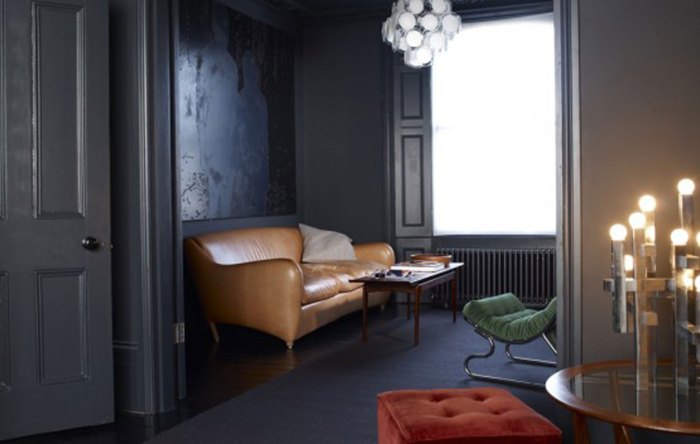
Black, often perceived as a color of darkness and mystery, surprisingly holds a powerful and versatile position in interior design. Its impact on mood and perception is complex, varying greatly depending on its shade, application, and overall design aesthetic. Understanding these nuances is crucial for harnessing black’s potential to create a truly impactful space.
The emotional impact of black in interior design is multifaceted. While some may associate it with feelings of heaviness or gloom, others find it sophisticated, dramatic, and even empowering. This discrepancy stems from the inherent ambiguity of the color itself and how it interacts with light, texture, and other design elements. A well-executed black interior can exude a sense of calm, luxury, and timeless elegance, while a poorly planned one might feel oppressive and claustrophobic.
Shades of Black and Their Impact on Mood
Different shades of black significantly influence the perceived mood of a space. Deep, matte blacks can feel intensely dramatic and luxurious, often creating a sense of intimacy and seclusion. They absorb light, emphasizing texture and creating a visually rich environment. In contrast, lighter blacks, such as charcoal or anthracite, feel less heavy and more approachable. They allow more light to reflect, preventing a space from feeling too dark or closed-in. The addition of subtle undertones, such as hints of blue or brown, further modifies the perception, creating a unique atmosphere tailored to the designer’s intent. For example, a deep black with blue undertones can evoke a feeling of coolness and tranquility, whereas a black with brown undertones might create a warmer, more grounding ambiance.
Cultural Connotations of Black Interiors
The cultural connotations associated with black interiors vary significantly across societies. In some Western cultures, black is associated with sophistication, power, and modernity, reflecting its use in high-end fashion and luxury goods. This association translates directly into interior design, where black is often used to create a sense of opulence and refined taste. However, in other cultures, black may carry more somber connotations, linked to mourning or negativity. Understanding these diverse cultural perspectives is essential for designing spaces that are both aesthetically pleasing and culturally sensitive. For instance, a black interior in a Western context might be seen as stylish and modern, while in certain Eastern cultures, it might require careful consideration to avoid unintended negative associations.
Black in Minimalist versus Maximalist Design
Black’s adaptability shines through in its application across vastly different design styles. In minimalist interiors, black serves as a powerful neutral backdrop, highlighting clean lines, simple forms, and a focus on negative space. Its inherent sleekness complements the minimalist ethos of less is more, creating a sense of calm and order. Think of a stark white room with black accents like a single piece of black furniture or a black framed mirror. This provides a strong visual contrast without overwhelming the minimalist aesthetic. Conversely, in maximalist design, black acts as a grounding element, anchoring a vibrant and richly layered space. Used judiciously, it can prevent a maximalist interior from feeling chaotic, adding depth and contrast to an already busy palette. Imagine a room with jewel-toned furniture and vibrant patterned fabrics, where black walls and trim create a cohesive and dramatic backdrop. The black provides structure and sophistication without detracting from the maximalist energy.
Lighting and Black Interiors
Source: adsttc.com
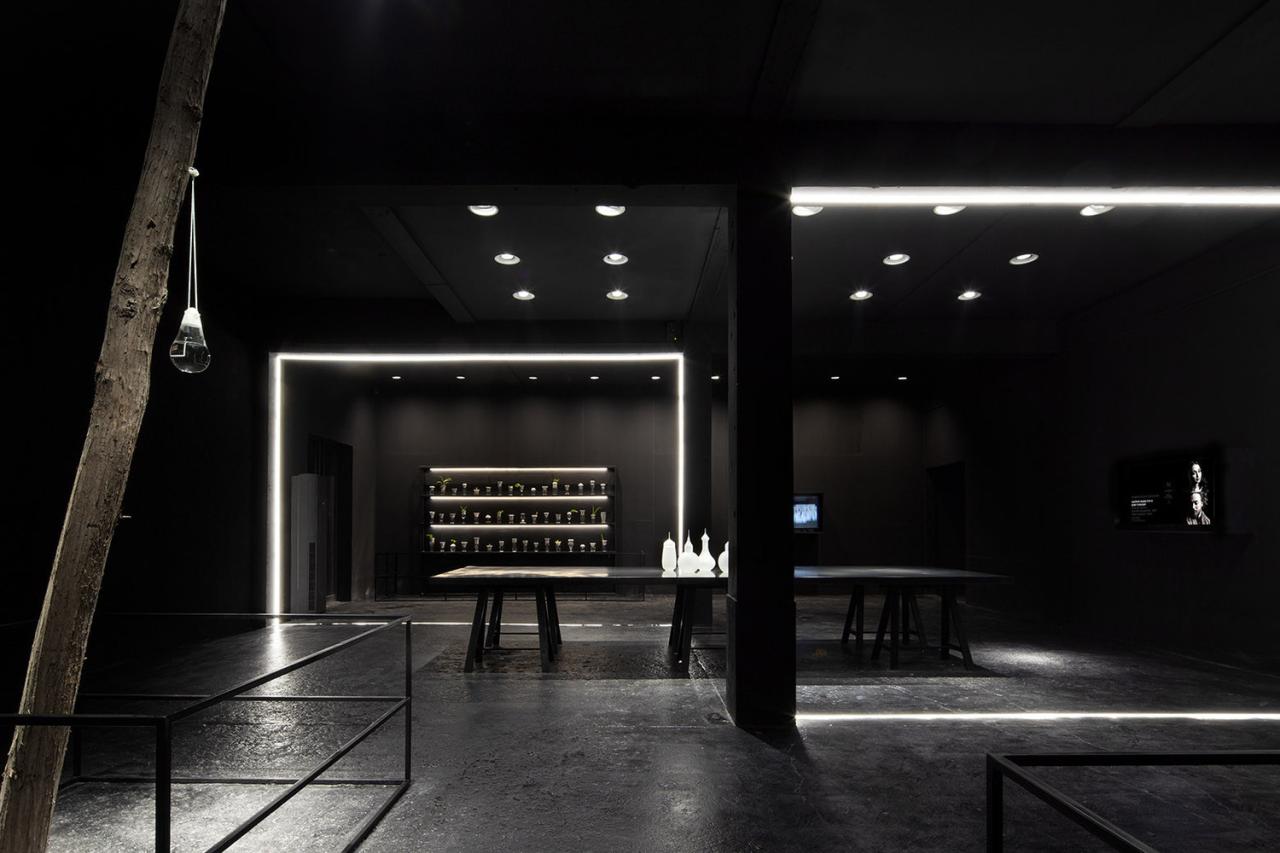
Designing the lighting for a predominantly black interior is crucial; it’s not just about illuminating the space, but about creating atmosphere, depth, and visual interest. A poorly lit black room can feel oppressive, while a well-lit one can be incredibly dramatic and sophisticated. The key is layering different light sources and carefully considering the color temperature of your lighting.
Light Fixture Types and Placement
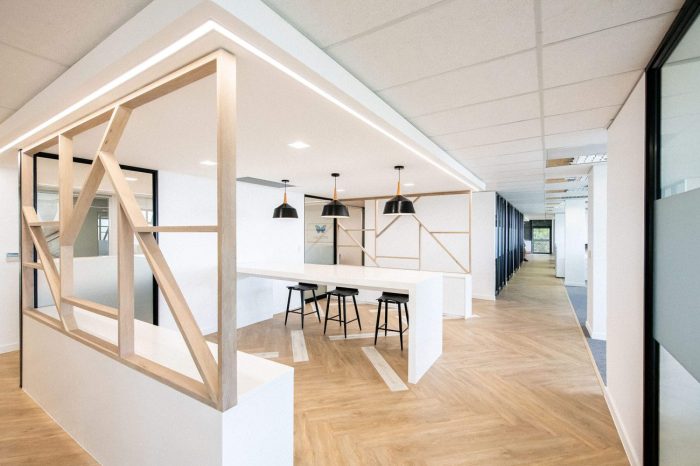
Strategic placement of various lighting fixtures is paramount in a black interior. Recessed lighting, for instance, provides even, ambient illumination, preventing harsh shadows that can be emphasized by dark walls. Consider installing multiple recessed lights throughout the ceiling for a comprehensive wash of light. To add visual interest and task lighting, incorporate statement pendant lights over dining tables or kitchen islands. Floor lamps with adjustable arms offer flexibility and allow you to direct light where needed, while wall sconces add a touch of elegance and can highlight artwork or architectural details. Avoid using only one type of lighting; the combination of recessed, pendant, and floor lamps creates a more dynamic and layered lighting scheme.
Natural Light in Black Rooms
Natural light is your greatest asset in a black room, as it can significantly brighten the space and reduce the feeling of claustrophobia. Maximize natural light by using sheer curtains or blinds instead of heavy drapes. These allow light to filter through while still providing privacy. Consider large windows or skylights to bring in as much natural light as possible. If privacy is a concern, opt for sheer curtains or blinds that diffuse the light while maintaining privacy. Avoid using dark window treatments, which will absorb the natural light and further darken the room.
Impact of Different Lighting Temperatures
The color temperature of your lighting significantly impacts the perception of a black space. Warm-toned lighting (2700K-3000K) creates a cozy and inviting atmosphere, softening the starkness of black walls and making the space feel warmer and more intimate. Cool-toned lighting (5000K-6500K), on the other hand, can feel more modern and sleek, but it can also make the black appear colder and more severe. Neutral-toned lighting (3500K-4100K) offers a balance between the two, providing a clean and crisp look without being overly cold or warm. The choice depends entirely on the desired ambiance. For example, a bedroom might benefit from warm lighting, while a home office might prefer cool lighting to enhance focus.
Layering Light for Depth and Visual Interest
Layering light is crucial for creating depth and visual interest in a dark room. Start with ambient lighting (recessed lights) to provide a base level of illumination. Then, add task lighting (desk lamps, pendant lights) for specific areas that require more focused light. Finally, incorporate accent lighting (wall sconces, spotlights) to highlight architectural features, artwork, or other decorative elements. This multi-layered approach prevents the room from feeling flat and lifeless. For instance, using warm-toned accent lighting on a textured wall can create a dramatic focal point, drawing the eye and adding visual interest to the overall design.
Materials and Textures in Black Interiors
Source: home-designing.com
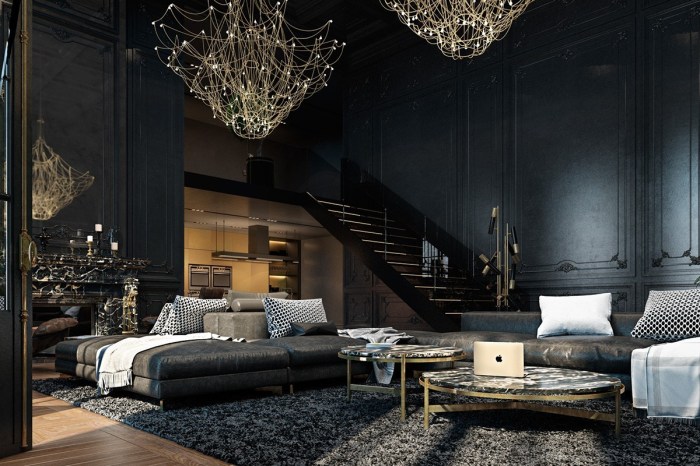
Black interiors offer a dramatic and sophisticated aesthetic, but the success hinges on thoughtfully chosen materials and textures. The interplay of different surfaces prevents the space from feeling flat or oppressive, adding depth and visual interest. Choosing the right materials is key to balancing elegance with practicality.
Material Selection for Black Interiors
Selecting materials that complement black is crucial to achieving the desired effect. The following table illustrates suitable materials, their textures, finishes, and potential applications.
| Material | Texture | Finish | Example Use |
|---|---|---|---|
| Wood | Smooth, grained, knotty | Matte, satin, high-gloss | Flooring, wall paneling, furniture |
| Metal | Smooth, brushed, hammered | Matte, polished, brushed | Lighting fixtures, hardware, accents |
| Fabric | Velvet, linen, leather | Matte, satin | Upholstery, curtains, throws |
| Stone | Smooth, rough, veined | Polished, honed | Countertops, flooring, accent walls |
| Glass | Smooth | Clear, frosted, tinted | Tabletops, shelving, partitions |
Contrasting Textures in Black Interiors
The key to avoiding a monotonous black interior is the strategic use of contrasting textures. Pairing smooth surfaces like polished marble with rough-hewn wood, or sleek metal with plush velvet, creates visual intrigue and prevents the space from feeling visually heavy. For instance, a polished black coffee table next to a chunky knit throw on a velvet sofa introduces a dynamic interplay of textures, making the space more inviting and less stark. Think about the tactile experience as well as the visual; a variety of textures adds another layer of richness.
The Effect of Different Finishes on Black Surfaces, Black Interiors
The finish of a black surface significantly impacts its appearance and the overall feel of the room. Matte black finishes absorb light, creating a more subdued and intimate atmosphere. They often hide imperfections better than gloss finishes. Glossy black surfaces, conversely, reflect light, adding a sense of drama and luxury. They can feel more modern and sleek but also highlight any imperfections. Satin finishes offer a middle ground, providing a subtle sheen without being overly reflective. The choice depends on the desired mood and level of formality. A matte black wall might be ideal for a cozy bedroom, while a high-gloss black kitchen might be more appropriate for a contemporary setting.
Drawbacks of Certain Materials in Black Interiors
While black is undeniably stylish, some materials present maintenance challenges when used in dark tones. Dark-colored fabrics, for instance, can show dust and pet hair more readily than lighter-colored ones. Similarly, black stone countertops may require more frequent cleaning to avoid showing watermarks or smudges. Glossy black surfaces, while visually striking, can be more prone to showing fingerprints and scratches. Careful consideration of these factors is essential when making material choices for a black interior. Regular cleaning and appropriate protective treatments might be necessary to maintain the appearance of certain materials.
Black Interiors in Different Room Types
Source: portella.com
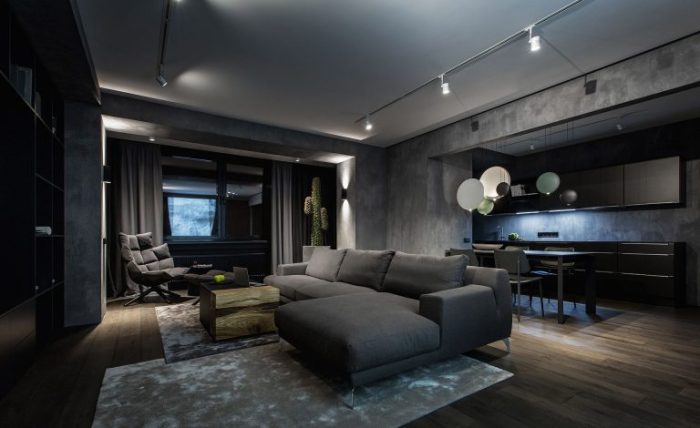
Black interiors offer a dramatic and sophisticated aesthetic, but their successful implementation depends heavily on the specific room and how the design elements are chosen and balanced. Understanding the unique challenges and opportunities presented by each space is key to creating a truly stunning and functional black interior.
Black Living Room Design
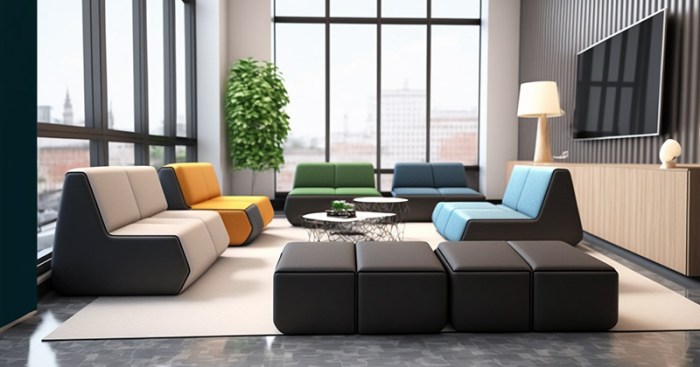
A black living room can be incredibly chic and inviting. The key is to avoid a feeling of coldness or claustrophobia by strategically introducing light and texture. Think plush velvet sofas in deep charcoal grey or a rich navy, paired with a statement rug in a warm, contrasting color like burnt orange or deep emerald green. Metallic accents, such as gold or brass lamps and side tables, add warmth and sophistication, reflecting light and breaking up the monochrome scheme. Natural materials like wood and woven textiles also soften the starkness of the black, introducing visual interest and tactility. Artwork, particularly pieces with bright or bold colors, can serve as focal points, preventing the room from feeling too dark or monotone. Consider a gallery wall showcasing a variety of textures and colors to further enhance visual interest. Lighting is crucial; layered lighting with floor lamps, table lamps, and overhead lighting creates a dynamic and comfortable ambiance.
Black Bedroom Design Considerations
Creating a relaxing and comfortable black bedroom requires careful consideration of lighting, texture, and overall ambiance. The goal is to cultivate a space that feels luxurious and serene, rather than oppressive.
- Prioritize soft, layered lighting: Incorporate dimmable overhead lighting, bedside lamps with warm-toned bulbs, and perhaps even string lights for a cozy feel.
- Select luxurious textiles: Think plush velvet bedding, soft faux fur throws, and silk pillows. These add warmth and visual interest.
- Incorporate natural elements: Introduce wooden furniture pieces, houseplants, or natural fiber rugs to create a sense of balance and grounding.
- Choose a dark, yet not completely black, wall color: Consider a deep charcoal gray or a dark navy blue to add depth without overwhelming the space. This provides a softer backdrop for the other design elements.
- Minimize clutter: A clean and uncluttered space will feel more spacious and serene in a predominantly black environment.
Black Kitchen and Bathroom Design Challenges and Opportunities
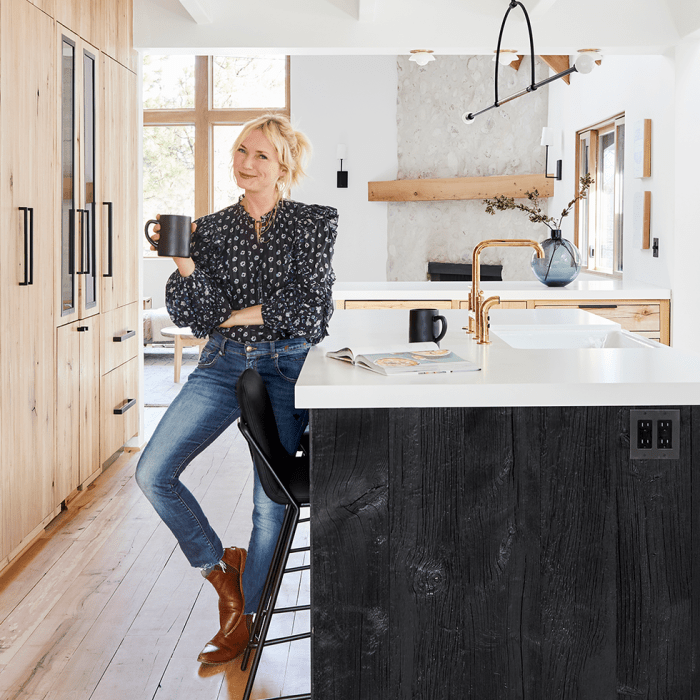
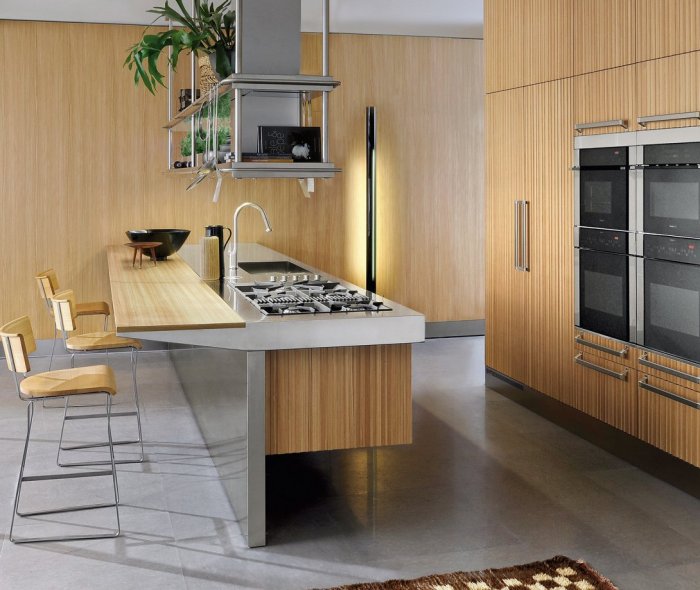
Black in kitchens and bathrooms presents both challenges and unique design opportunities. In the kitchen, black cabinetry can create a sleek and modern look, but it requires careful consideration of lighting to avoid making the space feel too dark or cramped. Light-colored countertops and backsplashes are essential to provide contrast and brighten the room. Stainless steel appliances can complement the black beautifully, adding a modern, clean feel. In bathrooms, black tiles can be incredibly dramatic, but again, sufficient lighting is paramount. Consider using light-colored grout to make the tiles pop and prevent the space from feeling too heavy. Mirrors are also essential in black bathrooms to reflect light and create a sense of spaciousness. The opportunity in both spaces lies in creating a high-contrast, sophisticated aesthetic that feels both luxurious and functional.
Black in Small Versus Large Rooms
The impact of black differs significantly between small and large rooms. In large rooms, black can be used more liberally, creating a dramatic and sophisticated atmosphere without feeling oppressive. Large spaces can handle the boldness of black walls and extensive black furniture. However, in small rooms, black can make the space feel smaller and darker. In smaller rooms, it’s best to use black sparingly, perhaps as an accent color on one wall or in furniture pieces. Light-colored walls and plenty of natural light are crucial in small rooms to offset the darkness of black accents and prevent a claustrophobic feeling. Strategic use of mirrors and reflective surfaces can also help to maximize the sense of space in smaller areas. In both cases, thoughtful lighting is crucial to balancing the use of black and creating a visually appealing and functional space.
Illustrative Examples of Black Interiors
Source: behance.net
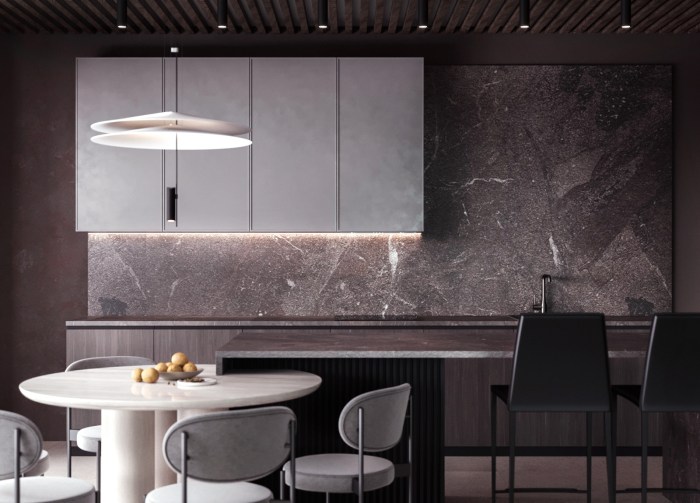
Let’s explore some real-world applications of black interiors, showcasing how this powerful color can be used to create diverse and stunning design schemes. These examples demonstrate the versatility of black and how, when paired with other elements, it can achieve various moods and aesthetics.
Black and Gold Themed Dining Room
Imagine a dining room where deep black walls provide a dramatic backdrop for opulent gold accents. The furniture could consist of sleek, black leather dining chairs surrounding a large, polished black dining table with gold leaf detailing along its edges. A statement chandelier, perhaps a modern interpretation of a traditional design featuring black metalwork and gold-leafed accents, hangs above. Artwork on the walls could include abstract pieces with gold leaf or metallic paint incorporated into the design, creating a visually arresting contrast. The overall effect is one of sophisticated luxury and refined drama. The floor could be dark hardwood or even black marble, enhancing the rich color palette.
Minimalist Black and White Kitchen
This kitchen design utilizes the stark contrast between black and white to create a clean, modern space. Glossy black cabinetry is paired with crisp white countertops and backsplash tiles. The minimalist aesthetic is emphasized through the absence of unnecessary clutter and ornamentation. Natural light is maximized through large windows, which allows the white surfaces to reflect the light, brightening the space and preventing it from feeling too dark. Simple, black metal hardware on the cabinets and sleek, white appliances maintain the consistent design language. A single, pendant light above the island provides focused task lighting, while recessed lighting ensures overall illumination.
Modern Industrial-Style Loft Apartment
In a modern industrial loft, black plays a central role in defining the space’s raw aesthetic. Exposed brick walls are a key feature, providing texture and visual interest. BA black metal framework is used for shelving units and potentially for a mezzanine level. The flooring could be polished concrete, stained a dark grey or even black, further emphasizing the industrial feel. Furniture is kept functional and minimal, with pieces made from materials like reclaimed wood and black metal. Industrial-style pendant lights with exposed bulbs add to the character of the space, and strategically placed spotlights highlight specific architectural details.
Black Interior with Biophilic Design Elements
This design incorporates the calming influence of nature into a black interior. Dark walls are offset by an abundance of lush greenery. Large potted plants of varying heights and textures are placed throughout the room, softening the starkness of the black. Natural materials, such as wood and rattan, are used in furniture and accessories. For instance, a black wooden coffee table might feature a natural wood grain top. The lighting is soft and warm, possibly incorporating bioluminescent elements or lamps with warm-toned light bulbs to complement the natural textures and living plants. This combination creates a surprisingly tranquil and inviting space, proving that black doesn’t have to be cold or unwelcoming.
Closure: Black Interiors
Source: wordpress.com
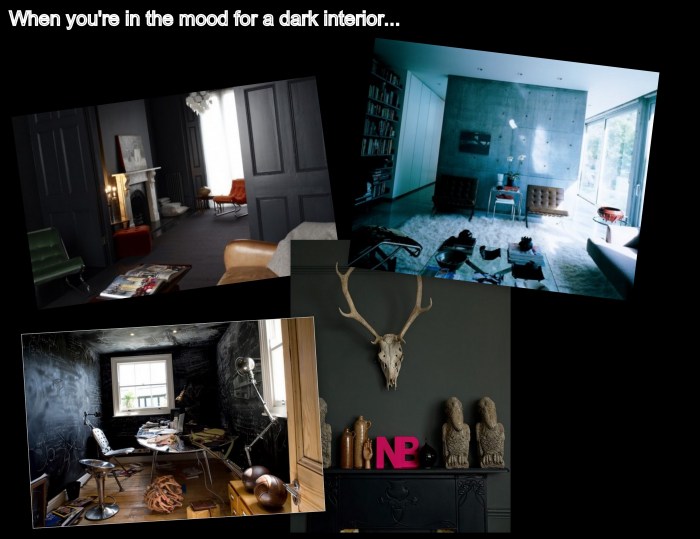
Designing with black opens up a world of possibilities, allowing for bold statements and sophisticated ambiance. By carefully considering lighting, material choices, and the overall design style, you can transform a space into a haven of dramatic elegance or minimalist serenity. Remember, the key lies in balance – contrasting textures, strategic lighting, and thoughtful accent colors can prevent a black interior from feeling overwhelming. Let your creativity guide you as you explore the many facets of this versatile and impactful color.