Commercial Interior Design Spaces & Style
Commercial interior design transforms spaces into functional and aesthetically pleasing environments. It’s more than just aesthetics; it’s about understanding the unique needs of businesses and translating those needs into effective designs. From the flow of a bustling restaurant to the calm focus of a co-working space, commercial design considers everything from branding and ergonomics to sustainability and accessibility. We’ll explore the principles, processes, and innovative technologies shaping this dynamic field.
This guide delves into the key aspects of commercial interior design, providing a practical understanding of the design process, from initial concept to final implementation. We’ll cover the crucial differences between residential and commercial projects, highlighting the specific considerations for various commercial sectors like retail, hospitality, and offices. We’ll also look at how sustainability, accessibility, and emerging technologies are revolutionizing the industry.
Defining Commercial Interior Design
Source: cherry hill .in
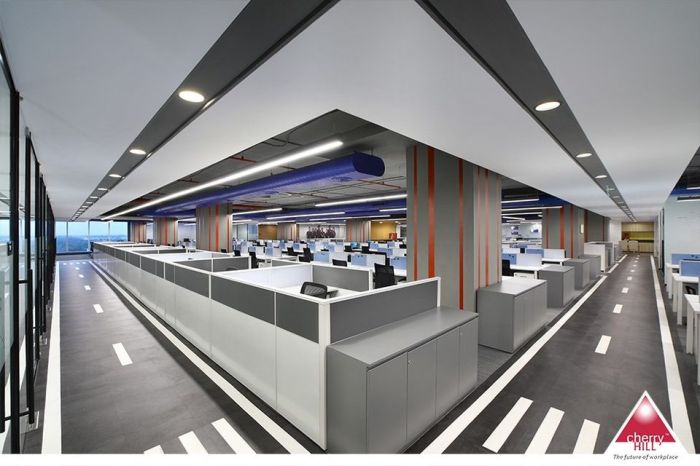
Commercial interior design focuses on creating functional and aesthetically pleasing spaces for businesses. Unlike residential design, which prioritizes the comfort and personal style of individual homeowners, commercial design emphasizes factors like brand identity, customer experience, and employee productivity. The ultimate goal is to optimize the space to achieve the business’s specific objectives.
Commercial interior design differs significantly from residential design in its scale, purpose, and regulatory considerations. Residential projects are typically smaller and more personalized, reflecting the tastes and needs of individual clients. Commercial projects, however, often involve larger spaces and require adherence to building codes and accessibility standards. The design process itself also differs, with a greater emphasis on functionality, efficiency, and return on investment in commercial settings.
Types of Commercial Spaces
Commercial spaces encompass a wide range of environments, each with unique design requirements. These include offices, retail stores, restaurants, healthcare facilities, hospitality venues (hotels, spas), educational institutions, and entertainment spaces (cinemas, theaters). The design approach must adapt to the specific needs and functions of each type of space.
Design Elements Unique to Commercial Sectors
Different commercial sectors necessitate distinct design elements. For example, office spaces often prioritize open-plan layouts to foster collaboration, incorporating features like ergonomic workstations and shared meeting areas. Retail spaces, conversely, focus on creating visually appealing and engaging environments that encourage browsing and purchasing, often employing lighting, displays, and signage to highlight products. Restaurants require careful consideration of kitchen layout, seating arrangements, and overall ambiance to create a pleasant dining experience. Healthcare facilities prioritize hygiene, safety, and a calming atmosphere, while hospitality spaces emphasize comfort, luxury, a a unique brand identity.
Comparative Design Considerations
The following table compares design considerations for three distinct commercial spaces: a co-working space, a high-end boutique, and a fast-food restaurant.
| Design Consideration | Co-working Space | High-End Boutique | Fast-Food Restaurant |
|---|---|---|---|
| Space Planning | Open plan with private offices and communal areas; emphasis on flexibility and adaptability. | Intimate and curated layout showcasing merchandise; strategic use of space to create a luxurious feel. | Efficient flow for ordering, serving, and clearing; maximized counter space and minimal seating. |
| Materials & Finishes | Durable, easy-to-maintain materials; a blend of modern and comfortable aesthetics. | High-quality, luxurious materials; attention to detail and craftsmanship; sophisticated color palette. | Easy-to-clean, durable materials; cost-effective and functional finishes. |
| Lighting | Natural light maximized; task lighting for workstations; ambient lighting for communal areas. | Accent lighting to highlight merchandise; sophisticated, mood-setting lighting. | Bright, functional lighting for efficient service and visibility. |
| Branding & Aesthetics | Modern and collaborative aesthetic; branding integrated subtly. | Strong brand identity reflected in every detail; luxurious and sophisticated aesthetic. | Consistent brand identity; clean and simple aesthetic focused on efficiency. |
Design Principles and Considerations
Source: mediumspot.com
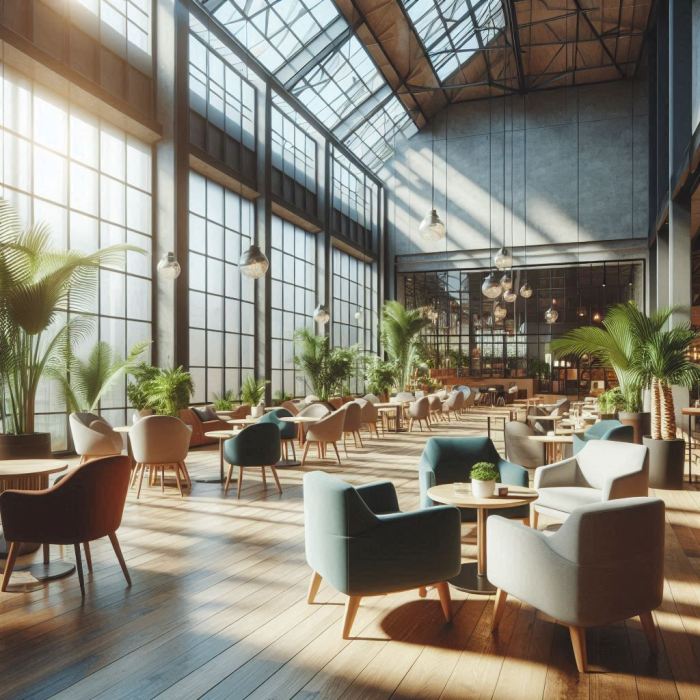
Creating a successful commercial interior design requires a deep understanding of several key principles. Functionality, aesthetics, and brand identity all work together to create a space that is both inviting and effective for its intended purpose. Ignoring these elements can lead to a space that is inefficient, unappealing, and ultimately, unsuccessful.
Functionality and Ergonomics in Commercial Spaces
Prioritizing functionality and ergonomics is crucial for creating efficient and user-friendly commercial spaces. Functionality ensures the space effectively supports its intended use, while ergonomics focuses on the comfort and well-being of the people using it. For example, a well-designed office should provide ample workspace, proper lighting, and comfortable seating to maximize productivity and minimize strain. A retail space should have a clear and intuitive layout that guides customers easily through the store, encouraging browsing and purchases. Poorly designed spaces lead to decreased productivity, discomfort, and potentially even safety hazards. Consider the flow of traffic, the placement of equipment, and the accessibility for all users when designing any commercial space.
Branding and Visual Identity in Commercial Interior Design
A commercial space’s interior design is a powerful tool for communicating brand identity and values. The design elements – from color palettes and materials to furniture and lighting – should reflect the brand’s personality and message. For example, a tech startup might opt for a minimalist, modern aesthetic with clean lines and neutral colors, while a rustic bakery might choose warm, earthy tones and natural materials. Consistent branding across all aspects of the space reinforces brand recognition and creates a cohesive customer experience. This consistent visual identity translates into a stronger brand recall and a more memorable customer experience.
Material and Finish Selection
Choosing the right materials and finishes is vital for both the aesthetic appeal and the longevity of a commercial space. Durability is paramount, especially in high-traffic areas. Materials must withstand daily wear and tear while maintaining their appearance. Cost is another significant factor, in balancing quality with budget constraints. Aesthetics, of course, play a critical role in creating the desired ambiance and reflecting the brand identity. For instance, durable porcelain tiles might be chosen for a high-traffic retail floor, while high-quality, sustainable wood might be used for a more upscale office environment. The selection process requires careful consideration of all three factors to achieve a balance between practicality and visual appeal.
Conceptual Layout for a Small Retail Space
Designing a small retail space requires maximizing space efficiency while creating a positive customer experience. Here’s a conceptual layout focusing on customer flow and product display:
The following layout prioritizes a clear path for customers, optimized product visibility, and a welcoming atmosphere.
- Entrance and Window Display: A visually appealing window display immediately grabs attention and draws customers in. This area should showcase the most desirable or new products.
- Strategic Product Placement: High-demand items are positioned near the entrance and in high-visibility areas. Less popular items can be placed strategically along the customer pathway to encourage browsing.
- Clear Pathways: A wide, unobstructed pathway guides customers smoothly through the store, preventing bottlenecks and ensuring comfortable movement.
- Focal Point: A visually striking focal point, perhaps a unique display or artwork, draws the eye and adds visual interest. This could be a feature wall or a special product display stand.
- Checkout Area: The checkout counter is placed conveniently near the exit, allowing for a quick and easy transaction. It should be well-lit and easily accessible.
- Lighting: Well-designed lighting is crucial, highlighting products and creating a welcoming atmosphere. A combination of ambient, accent, and task lighting can be used to achieve this.
The Design Process
Source: arcfly.net
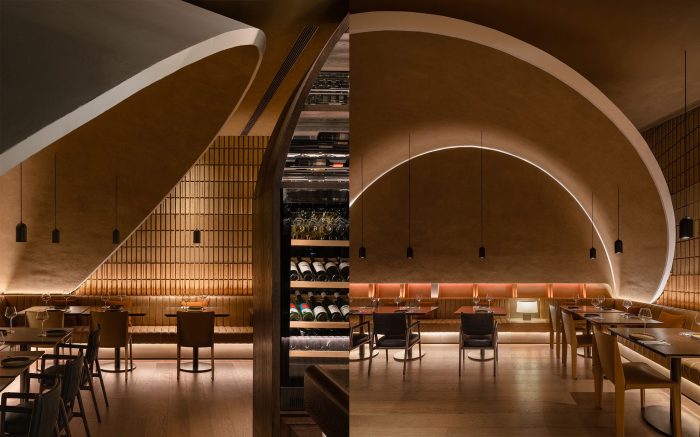
So, you’ve got a client and a vision. Now what? The commercial interior design process is a carefully orchestrated dance between creativity, practicality, and client satisfaction. It’s iterative, meaning it involves revisiting and refining ideas throughout the journey. Let’s break down the key steps.
Steps in a Typical Commercial Interior Design Project
A typical project follows a structured approach, although the specific steps and their order can vary depending on project scope and client needs. Effective project management is key to staying on schedule and within budget. Each phase builds upon the previous one, creating a cohesive and successful design.
- Initial Consultation & Programming: This involves understanding the client’s needs, goals, and budget. We delve into their business operations, target audience, and desired brand image. This phase sets the foundation for the entire project.
- Space Planning & Programming: This critical step defines the functionality of the space. We create detailed floor plans, considering workflow, furniture placement, and accessibility. This is where we optimize the use of space to meet the client’s needs.
- Schematic Design: We develop initial design concepts, including preliminary layouts, material selections, and style direction. This phase allows for client feedback and refinement before moving to detailed design.
- Design Development: This phase refines the chosen design concept. We create detailed drawings, specifications, and material selections. This includes selecting finishes, fixtures, and equipment (FF&E).
- Construction Documents: We produce detailed construction drawings and specifications for contractors. These documents clearly Artikel every aspect of the project for accurate and efficient construction.
- Construction Administration: We oversee the construction process, ensuring the project is built according to the design specifications. This involves regular site visits and communication with contractors.
- Project Completion & Installation: This final phase includes overseeing the installation of furniture, fixtures, and equipment, and conducting a final walkthrough with the client.
Client Communication and Collaboration Best Practices
Open and consistent communication is crucial for a successful project. Ignoring client input can lead to costly revisions and dissatisfaction.
- Regular Meetings: Schedule regular meetings to review progress, address concerns, and get client feedback.
- Visual Presentations: Use mood boards, 3D renderings, and other visuals to help clients visualize the design.
- Detailed Documentation: Maintain clear and detailed records of all decisions, changes, and communication.
- Active Listening: Truly listen to the client’s needs and concerns, and incorporate their feedback into the design process.
- Manage Expectations: Communicate timelines, budgets, and potential challenges throughout the project.
Space Planning and Programming in the Design Process, Commercial interior design
Space planning and programming are intertwined and essential. They are not separate steps, but rather a continuous process of defining how a space will function.
Space planning focuses on the physical layout, optimizing the flow and functionality of the space. Programming involves defining the client’s needs and how the space will be used. For example, a successful space plan for a co-working space would consider the need for private offices, open work areas, meeting rooms, and common areas, while also ensuring efficient traffic flow and maximizing natural light. The programming phase would define the number of each type of space needed, their sizes, and the specific equipment required.
Selecting Appropriate Lighting Solutions for a Commercial Office
Lighting is crucial for productivity, ambiance, and safety. A poorly lit office can negatively impact employee well-being and efficiency.
- Needs Assessment: Identify the specific lighting needs for each area of the office. Consider tasks performed in each space (e.g., desk work, meeting rooms, reception area) and the desired ambiance.
- Lighting Types: Explore various lighting options, including ambient, task, and accent lighting. Ambient lighting provides overall illumination, task lighting focuses on specific work areas, and accent lighting highlights features.
- Energy Efficiency: Prioritize energy-efficient lighting solutions, such as LED lighting, to reduce energy costs and environmental impact. Consider daylight harvesting strategies to maximize natural light.
- Control Systems: Explore lighting control systems to allow for customized lighting levels and automation. This can enhance energy efficiency and improve user comfort.
- Budget Considerations: Develop a lighting budget and select fixtures that meet both functional and aesthetic requirements while staying within budget. Consider long-term maintenance costs when making selections.
- Installation & Testing: Ensure proper installation by qualified professionals and conduct thorough testing to ensure the lighting system meets the design specifications and provides optimal illumination.
Sustainability and Accessibility: Commercial Interior Design
Source: com.au
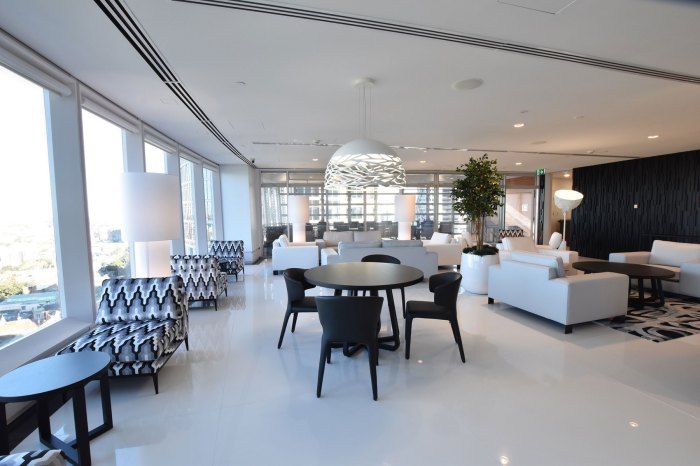
Creating a commercially successful interior design isn’t just about aesthetics; it’s about building spaces that are both environmentally responsible and inclusive for everyone. Sustainable practices reduce the long-term environmental impact of your design, while accessibility ensures the space is usable and enjoyable for people of all abilities. This section explores how to integrate these crucial elements into your commercial design projects.
Sustainable Materials and Practices in Commercial Interior Design
Choosing sustainable materials and employing eco-conscious practices significantly reduces the environmental footprint of a commercial space. This involves selecting materials with low embodied carbon, prioritizing recycled content, and opting for products with minimal volatile organic compounds (VOCs). Sustainable practices also extend to construction and demolition processes, minimizing waste and maximizing material reuse. Consider lifecycle assessments of materials to understand their full environmental impact, from sourcing to disposal. By prioritizing sustainability, businesses can enhance their brand image, attract environmentally conscious clients, and potentially reduce operating costs through energy efficiency.
Principles of Universal Design and Accessibility in Commercial Spaces
Universal design focuses on creating spaces usable by people of all ages and abilities, without the need for specialized or adapted design. This means considering a wide range of physical and sensory needs. Key principles include providing flexible use of space, simple and intuitive use, perceptible information, tolerance for error, low physical effort, and appropriate size and space for approach and use. Accessibility, specifically, addresses the needs of people with disabilities, adhering to regulations like the Americans with Disabilities Act (ADA) in the US. This ensures equal access to all areas and features within a commercial space.
Examples of Eco-Friendly Materials for Commercial Interiors
Many eco-friendly materials offer both aesthetic appeal and environmental benefits. Bamboo, a rapidly renewable resource, is strong and versatile, suitable for flooring, furniture, and wall cladding. Recycled content materials, such as reclaimed wood or recycled glass tiles, reduce landfill waste and offer a unique visual character. Low-VOC paints and sealants minimize indoor air pollution, creating a healthier environment for occupants. Cork, a natural and sustainable material, is excellent for flooring and wall coverings due to its insulation properties and sound absorption capabilities. Finally, sustainably harvested timber certified by organizations like the Forest Stewardship Council (FSC) guarantees responsible forestry practices.
Accessible Restroom Design Example
Imagine a restroom with ample space for maneuvering wheelchairs. The doors are wide enough (at least 32 inches) to accommodate wheelchairs, and they swing outward to avoid blocking access. Grab bars are strategically placed near the toilet and shower, providing secure support for users. The toilet is positioned at a standard height, with sufficient clearance on the sides and in front. A lowered sink with knee space underneath allows wheelchair users to easily access the sink. The restroom includes a visual alarm system to alert staff in case of emergencies. Braille and raised lettering on signage identify the restroom facilities. Mirrors are positioned at an accessible height, and the floor is slip-resistant. Adequate lighting ensures good visibility throughout the restroom. The entire space is designed to be clean and easy to navigate, promoting safety and independence for all users. This example highlights several key ADA compliance features ensuring a comfortable and functional space for everyone.
Technology and Innovation
Source: interiorsbysteveng.com
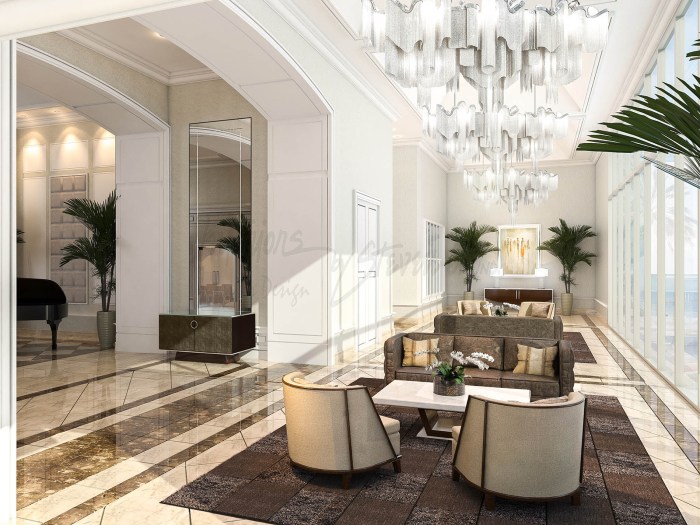
Technology is revolutionizing commercial interior design, pushing boundaries and creating spaces that are not only aesthetically pleasing but also highly functional and efficient. From initial design concepts to the final implementation and beyond, technological advancements are streamlining the process and enhancing the user experience. This section explores the impact of technology on commercial interior design, highlighting key applications and emerging trends.
Technology’s influence on commercial interior design is multifaceted. It impacts the design process itself, the materials used, and the overall functionality and sustainability of the finished space. This leads to more efficient workflows, better collaboration among designers and clients, and ultimately, more innovative and user-friendly commercial spaces.
Virtual Reality and 3D Modeling in Design
Virtual reality (VR) and 3D modeling software are transforming how designers present and refine their concepts. VR allows clients to experience a space before it’s built, providing valuable feedback and minimizing costly revisions. 3D modeling offers precise visualization, allowing for detailed exploration of spatial relationships, material choices, and lighting effects. For instance, a designer could create a fully immersive VR experience of a proposed office layout, allowing clients to “walk through” the space and identify potential issues or areas for improvement before construction begins. This significantly reduces the risk of errors and ensures the final design accurately reflects the client’s vision. Similarly, using 3D modeling software, designers can experiment with different furniture arrangements, lighting schemes, and material finishes virtually, optimizing the design before any physical work commences.
Emerging Trends in Commercial Interior Design Technology
The field of commercial interior design technology is constantly evolving. Currently, we’re seeing a rise in the use of Building Information Modeling (BIM), which allows for integrated design, construction, and operation of buildings. Artificial intelligence (AI) is also playing an increasingly important role, offering predictive analytics to optimize space utilization and energy efficiency. Furthermore, the integration of augmented reality (AR) is providing designers with new tools for client interaction and visualization. For example, a designer might use AR to overlay a proposed design onto an existing space, giving clients a clearer understanding of how the new design will integrate with the existing environment. The integration of sustainable materials and technologies is another major trend, driven by growing environmental concerns. This includes the use of smart materials that respond to environmental conditions, such as self-healing concrete or bio-based composites.
Smart Technology in Efficient and User-Friendly Office Spaces
Smart technology is crucial in creating modern, efficient, and user-friendly commercial office spaces. By integrating various smart systems, businesses can optimize resource management, enhance employee productivity, and improve the overall user experience.
The following are examples of smart technologies and their benefits:
- Smart Lighting Systems: These systems adjust lighting levels based on occupancy and natural light availability, saving energy and improving employee comfort. They can also incorporate features like color-changing capabilities to enhance mood and productivity.
- Smart HVAC Systems: These systems automatically regulate temperature and airflow based on occupancy and environmental conditions, optimizing energy efficiency and maintaining a comfortable indoor climate. They can also learn user preferences over time, further enhancing comfort and efficiency.
- Smart Security Systems: Integrated security systems provide enhanced protection with features like access control, surveillance cameras, and intrusion detection, all managed through a centralized interface. This improves the safety and security of employees and assets.
- Smart Building Management Systems (BMS): BMS integrates various building systems, including lighting, HVAC, security, and energy monitoring, into a single platform. This provides centralized control and monitoring, allowing for efficient management and optimization of building resources. Real-time data analysis can identify potential problems and optimize energy consumption.
Case Studies and Inspirations
Source: imagekit.io
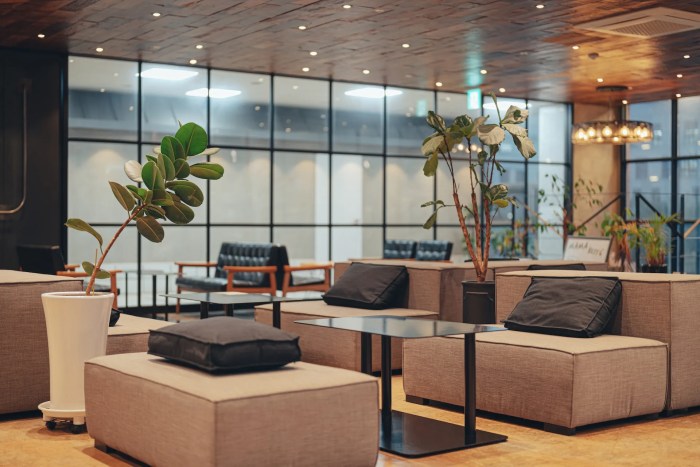
Exploring successful commercial interior design projects offers valuable insights into effective design strategies and innovative approaches. Analyzing diverse case studies allows us to understand how different design principles translate into tangible spaces, impacting functionality, aesthetics, and overall user experience.
The Googleplex Workspace Transformation
This case study focuses on the evolution of Google’s workspace design. Initially, Google’s offices were designed with a focus on collaborative workspaces, featuring open-plan layouts, vibrant colors, and playful elements. However, as the company grew, the need for more private and focused work areas became apparent. The updated design incorporated a variety of spaces, including quiet zones for individual work, collaborative hubs for team projects, and breakout areas for informal meetings. The design successfully balanced the need for both individual focus and collaborative interaction, incorporating biophilic design elements such as natural light and greenery to create a stimulating and productive environment. Key features included modular furniture to adapt to changing needs, technology integration throughout the space, and a strong emphasis on employee well-being. The design’s success is measured by increased employee satisfaction, improved productivity, and the creation of a unique and memorable brand experience.
Comparing Restaurant Designs: Rustic Charm vs. Modern Minimalism
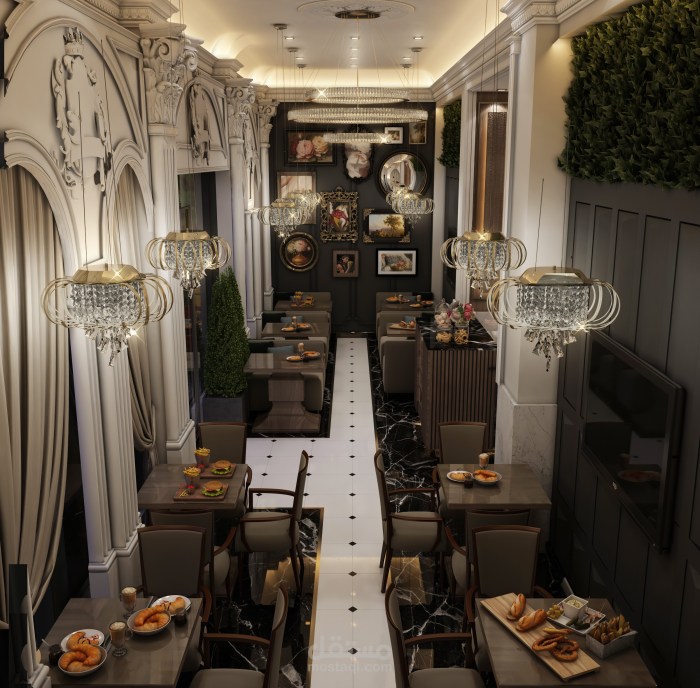
Two contrasting approaches to restaurant design illustrate the impact of different aesthetic choices. Consider a rustic-themed restaurant versus a modern minimalist one. The rustic restaurant might utilize exposed brick, reclaimed wood, and warm lighting to create a cozy and inviting atmosphere. Natural materials, vintage furniture, and handcrafted details would reinforce the theme. In contrast, a modern minimalist restaurant would prioritize clean lines, neutral colors, and sleek, contemporary furniture. The focus would be on simplicity and functionality, with a streamlined aesthetic that enhances the dining experience through its understated elegance. Both approaches aim for a positive dining experience but achieve this through vastly different design languages. The rustic approach emphasizes comfort and tradition, while the minimalist approach prioritizes sophistication and efficiency. The choice between these styles depends heavily on the restaurant’s brand identity and target audience.
The Immersive Retail Experience: A Biophilic Bookstore
Imagine a bookstore designed around the concept of biophilic design. The space features a curved, wooden ceiling mimicking the canopy of a forest, with natural light filtering through strategically placed skylights. Walls are lined with living green walls, interspersed with shelves displaying books. Comfortable seating areas are nestled amongst the greenery, creating intimate reading nooks. The overall effect is one of tranquility and immersion in nature, counteracting the often sterile feel of traditional retail spaces. The inspiration for this design stems from a desire to create a calming and inspiring environment that fosters a deeper connection between readers and the books they discover. The integration of natural elements not only enhances the aesthetic appeal but also improves air quality and contributes to a sense of well-being for customers. The use of sustainable materials and energy-efficient lighting further underscores the commitment to environmental responsibility.
Final Thoughts
Source: hsoubcdn.com
Mastering commercial interior design requires a blend of creativity, technical skill, and a deep understanding of the client’s needs. By carefully considering functionality, branding, and sustainability, designers can create spaces that are not only visually appealing but also enhance productivity, improve customer experience, and reflect the unique identity of the business. The journey from initial concept to finished project is a collaborative process demanding strong communication and attention to detail. Ultimately, successful commercial interior design is about creating spaces that work as hard as the people who occupy them.