Commercial Office Design Trends & Strategies
Commercial office design is more than just aesthetics; it’s about crafting a workspace that boosts productivity, fosters collaboration, and reflects a company’s culture. From the minimalist chic of modern designs to the warm, inviting feel of biophilic spaces, the choices are vast. This exploration delves into the current trends, the impact of technology, and the crucial role of space planning in creating exceptional commercial offices.
We’ll examine how smart technology integrates seamlessly into modern layouts, enhancing functionality and sustainability. We’ll also discuss the importance of employee well-being, exploring different office layouts and their impact on productivity and employee engagement. Finally, we’ll look at the role of materials and finishes in creating a cohesive and inspiring environment.
Defining Commercial Office Design Trends
Source: arktura.com
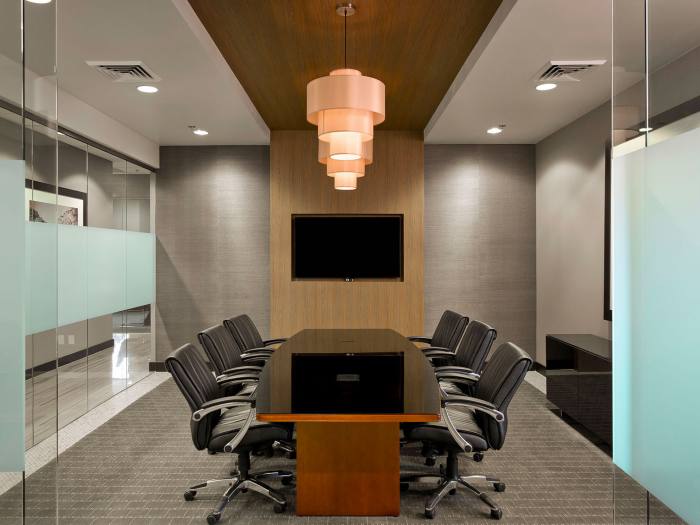
Commercial office design is constantly evolving to meet the changing needs of businesses and their employees. Understanding these trends is crucial for creating functional, attractive, and productive workspaces. This section will explore the dominant trends, the evolution over the past decade, and a comparison of modern and traditional styles, concluding with a look at emerging trends for the next five years.
Current Dominant Trends in Commercial Office Design
Currently, the dominant trends emphasize flexibility, collaboration, and employee well-being. Open-plan layouts, activity-based working, and biophilic design are prevalent. Companies are prioritizing spaces that encourage interaction and offer a variety of settings for different tasks, from quiet focus areas to collaborative hubs. The use of technology to enhance workplace efficiency and employee experience is also a key feature of modern commercial office design. Smart building technologies, integrated communication systems, and flexible furniture arrangements are becoming increasingly common.
Evolution of Commercial Office Design Over the Past Decade
Over the past decade, commercial office design has shifted dramatically from the traditional, hierarchical structures of the past. The rigid cubicle farms of the early 2000s have largely been replaced by more open and collaborative environments. The rise of agile methodologies and the increasing importance of teamwork have driven this change. Furthermore, the focus has shifted from simply providing a place to work to creating a workplace that supports employee well-being and productivity. This includes incorporating natural light, comfortable furniture, and amenities designed to promote employee health and happiness. The integration of technology has also significantly accelerated, transforming how work is done and how spaces are managed.
Comparison of Modern and Traditional Commercial Office Design Styles
Modern commercial office design prioritizes flexibility, openness, and employee well-being, often incorporating elements like natural light, biophilic design, and collaborative workspaces. Traditional styles, in contrast, tend to be more formal, hierarchical, and compartmentalized, featuring individual offices and cubicles. Modern designs embrace technology integration, while traditional designs often lag behind in this area. Modern styles focus on creating a dynamic and engaging workspace, while traditional styles emphasize formality and privacy. The shift reflects a change in business culture, moving away from rigid hierarchies toward more collaborative and flexible work environments.
Emerging Trends in Commercial Office Design for the Next Five Years
Three key emerging trends for the next five years include: a greater emphasis on sustainability and environmentally conscious design, the integration of advanced technologies such as AI and virtual reality to enhance productivity and collaboration, and a focus on creating more personalized and adaptable workspaces that cater to individual employee needs and preferences. For example, we can expect to see a rise in modular furniture systems and adaptable layouts that allow spaces to be easily reconfigured to meet changing needs. The use of smart building technologies to optimize energy consumption and resource management will also become more prevalent, aligning with the growing global focus on sustainability. The implementation of VR/AR technologies will likely transform how teams collaborate remotely and how training and simulations are conducted.
Comparison of Three Design Styles
The following table compares three distinct commercial office design styles:
| Style | Key Features | Pros | Cons |
|---|---|---|---|
| Minimalist | Clean lines, neutral colors, uncluttered spaces, functional furniture | Creates a calm and focused environment, maximizes space, cost-effective | Can feel sterile or impersonal, may lack character, requires careful planning |
| Biophilic | Incorporates natural elements like plants, natural light, natural materials | Improves air quality, boosts mood and productivity, creates a calming atmosphere | Can be more expensive to implement, requires maintenance of plants, may not be suitable for all climates |
| Industrial | Exposed brick, metal accents, high ceilings, raw materials | Creates a unique and stylish atmosphere, often cost-effective, highly adaptable | Can be noisy, may lack warmth, requires careful consideration of lighting and acoustics |
Impact of Technology on Commercial Office Design
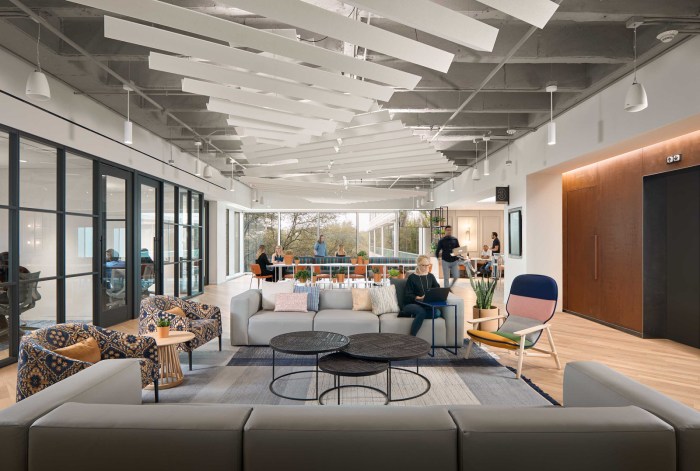
Source: behance.net
Technology is fundamentally reshaping the modern commercial office, moving beyond simple computerization to a fully integrated, intelligent environment. This shift impacts not only the layout and functionality but also the sustainability and overall efficiency of the workspace. The integration of smart technology is creating dynamic and responsive office spaces tailored to the needs of both employees and businesses.
Smart technology is significantly altering the layout and functionality of modern offices. Open-plan designs are becoming more sophisticated, utilizing sensors and data analytics to optimize space allocation and resource management. For example, smart desks can adjust height and position based on individual preferences, promoting ergonomic well-being. Meeting rooms equipped with advanced booking systems and integrated AV technology ensure efficient scheduling and seamless collaboration. These technological advancements transform static office spaces into dynamic and adaptable environments that respond to real-time usage patterns.
Sustainable Design in Technologically Advanced Offices
Integrating sustainable design elements within technologically advanced offices is becoming increasingly crucial. Smart building management systems (BMS) optimize energy consumption by monitoring and adjusting lighting, heating, and cooling based on occupancy and environmental conditions. This reduces energy waste and minimizes the carbon footprint. The use of recycled materials in construction and the implementation of efficient water management systems further enhance the sustainability profile. For instance, a modern office might incorporate solar panels for renewable energy generation and rainwater harvesting systems for irrigation and toilet flushing. These combined efforts contribute to a more environmentally responsible and cost-effective workplace.
Technology’s Enhancement of Collaboration and Communication
Technology plays a vital role in enhancing collaboration and communication within the workplace. Video conferencing systems with high-definition visuals and audio allow for seamless communication across geographical locations, reducing the need for extensive travel. Cloud-based collaboration platforms enable real-time document sharing and project management, fostering a more connected and efficient workflow. Interactive whiteboards and digital signage facilitate brainstorming sessions and the dissemination of important information. For example, a team working on a design project can simultaneously edit a document using a cloud-based platform, allowing for instant feedback and improved coordination.
Data Analytics for Optimizing Office Space Utilization
Data analytics plays a critical role in optimizing office space utilization. Sensors embedded throughout the office collect data on occupancy, energy consumption, and equipment usage. This data is then analyzed to identify patterns and optimize resource allocation. For instance, analysis might reveal that a particular meeting room is underutilized, leading to a decision to repurpose the space. This data-driven approach ensures that office space is used efficiently, minimizing waste and maximizing productivity. The implementation of occupancy sensors in a large office building could demonstrate that only 60% of desks are regularly used, leading to a reduction in overall office space and cost savings.
Example Floor Plan Incorporating Smart Technology
Imagine a modern office space with a modular design. The floor plan features a central hub with collaborative workspaces equipped with interactive whiteboards and video conferencing technology. Smaller, enclosed meeting rooms are strategically placed, each equipped with smart booking systems and advanced AV capabilities. Desks are equipped with height-adjustable features and power management systems, controlled via a centralized app. Sensors monitor occupancy levels, automatically adjusting lighting and climate control to optimize energy efficiency. Throughout the space, strategically placed digital signage displays important announcements and company news. The entire space is monitored by a BMS, collecting and analyzing data to further optimize resource utilization and enhance the overall employee experience. This intelligent and adaptable design allows the office space to efficiently respond to the changing needs of its occupants.
The Role of Space Planning in Commercial Office Design
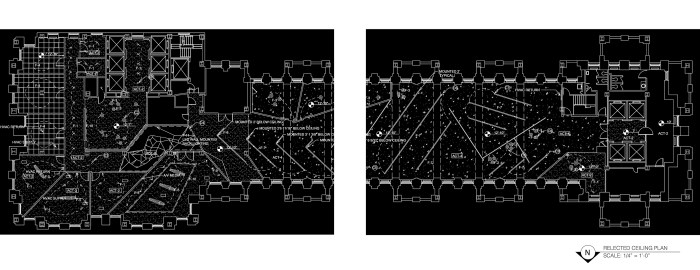
Source: g2designinterior.com
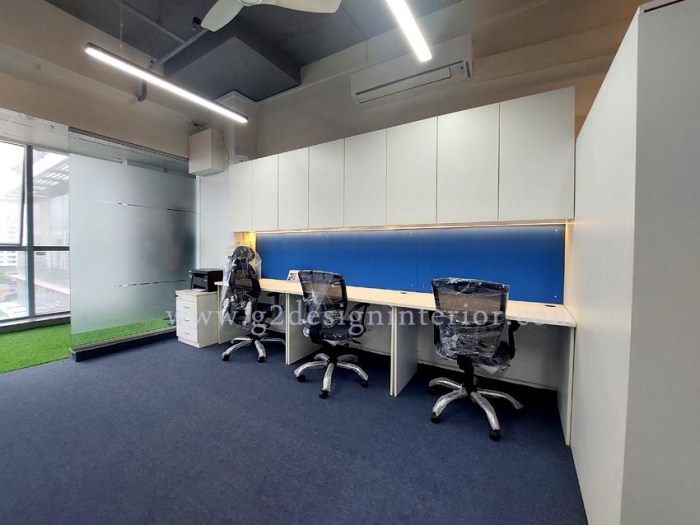
Smart space planning isn’t just about fitting desks into a room; it’s about crafting an environment that boosts productivity, fosters collaboration, and reflects your company culture. It’s the backbone of a successful commercial office design, directly impacting employee well-being and overall business success.
Space planning is the strategic allocation of a building’s interior to best suit its intended function. For commercial offices, this means optimizing the layout to enhance workflow, improve communication, and create a positive work environment. Effective space planning considers factors like team dynamics, technology needs, and the overall company goals.
Maximizing Space Efficiency in Commercial Offices
Effective space utilization is crucial for maximizing return on investment in commercial office spaces. This involves careful consideration of furniture selection, layout optimization, and the integration of flexible and adaptable design elements. For instance, utilizing modular furniture allows for easy reconfiguration as team needs change, while incorporating shared workspaces and collaborative zones can significantly reduce the overall square footage needed. Strategic placement of amenities, like break rooms and meeting areas, can also minimize wasted space and improve workflow.
Employee Well-being in Space Planning
Designing a workspace that prioritizes employee well-being is paramount. This goes beyond simply providing desks and chairs; it involves creating an environment that promotes physical and mental health. Consider incorporating natural light, ergonomic furniture, and opportunities for movement and breaks. Plants, comfortable seating areas, and access to outdoor spaces can all contribute to a more relaxing and productive atmosphere. A well-planned office reduces stress, improves morale, and ultimately increases employee retention.
Comparison of Office Layouts and Their Impact on Productivity, Commercial office design
Different office layouts cater to different needs and working styles. Open-plan offices encourage collaboration and communication but can also lead to distractions and noise issues. Private offices offer privacy and concentration but can feel isolating and hinder teamwork. Hybrid layouts combine elements of both, providing a balance between collaboration and individual focus. The optimal choice depends on the company culture, the nature of the work, and the preferences of the employees. For example, a creative agency might thrive in an open-plan environment, while a law firm might benefit from a layout with more private offices.
Factors to Consider When Designing an Accessible and Inclusive Workspace
Creating an accessible and inclusive workspace benefits everyone. Key considerations include providing adequate wheelchair access, ensuring sufficient space for maneuvering, and installing assistive technologies. This also involves using clear and consistent signage, providing a variety of seating options to accommodate different needs, and incorporating universal design principles. Color contrast, adjustable work surfaces, and ample lighting are all important aspects of inclusive design. Furthermore, consider providing quiet zones for individuals who need a calmer environment and accessible restrooms.
Optimal Office Layout for a Team of 20 Employees
Imagine a rectangular space. Along one wall, a collaborative zone with a large table and comfortable seating is situated, perfect for brainstorming sessions. Adjacent to this, individual workstations are arranged in a slightly clustered arrangement, allowing for easy communication but maintaining a degree of personal space. Three smaller, enclosed meeting rooms are strategically placed near the collaborative zone, allowing for quick and private meetings. A central break room with comfortable seating, a coffee machine, and a small kitchenette encourages informal interactions and breaks. The remaining space is filled with individual workstations, ensuring each employee has their own dedicated workspace. This design promotes both individual focus and team collaboration, catering to the diverse needs of a 20-person team. The layout prioritizes natural light and provides access to quiet zones, maximizing employee well-being and productivity.
Materials and Finishes in Commercial Office Design
Source: designlabinternational.com
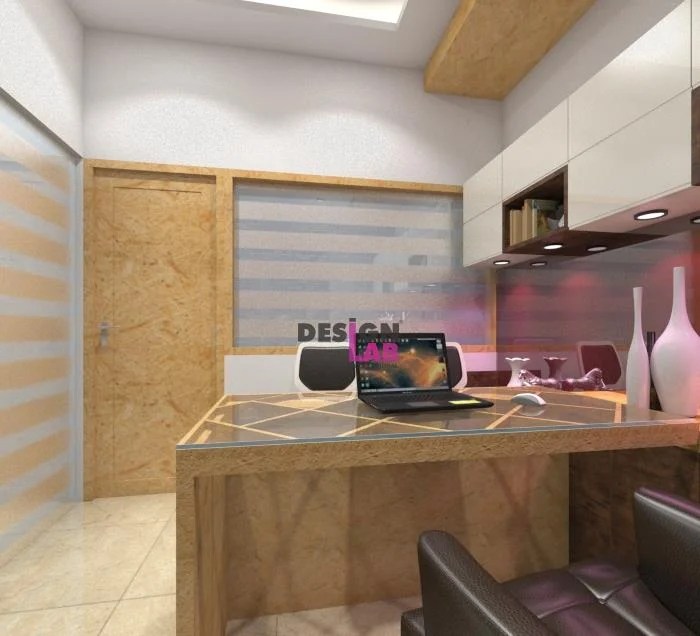
The right materials and finishes are crucial for creating a functional, aesthetically pleasing, and productive commercial office space. They impact everything from employee well-being and brand image to the overall longevity and maintenance costs of the building. Choosing wisely involves considering sustainability, aesthetics, durability, and functionality.
Sustainable and Eco-Friendly Materials in Modern Office Spaces
Many modern offices are embracing sustainable practices by incorporating eco-friendly materials. This not only reduces the environmental impact but also appeals to environmentally conscious employees and clients. Popular choices include reclaimed wood, bamboo flooring, recycled content fabrics for upholstery, and low-VOC (volatile organic compound) paints. These materials minimize harmful emissions and contribute to a healthier indoor environment. Using locally sourced materials also reduces transportation emissions, further enhancing the sustainability profile of the office design. For example, a company might use reclaimed wood from a local demolition project for its conference room table, showcasing a commitment to both sustainability and local community support.
Impact of Color Psychology on Employee Mood and Productivity
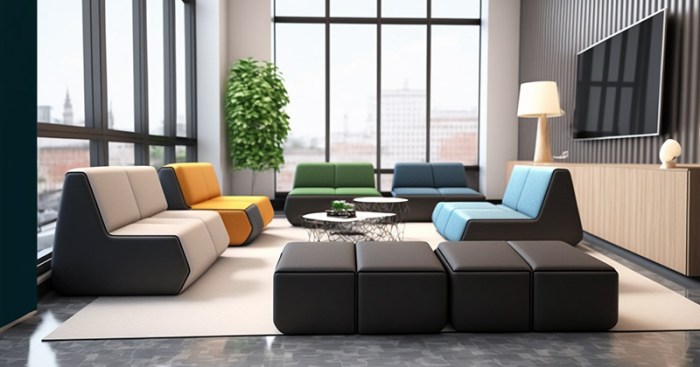
Color significantly influences mood and productivity. Warm colors like oranges and yellows can stimulate creativity and energy, making them suitable for collaborative spaces. Cool colors like blues and greens promote calmness and focus, ideal for individual work areas. Neutral tones such as grays and beiges create a sense of balance and sophistication, often used as a base for more vibrant accent colors. For instance, a vibrant yellow accent wall in a brainstorming room can spark innovative thinking, while a calming blue in a quiet zone can encourage concentration. The strategic use of color can create distinct zones within an office, optimizing the workspace for different tasks and employee needs.
Durability and Maintenance Requirements of Different Flooring Options
Different flooring options offer varying levels of durability and require different maintenance regimes. Hardwood floors are durable and aesthetically pleasing but require regular cleaning and polishing. Carpet tiles offer flexibility and are relatively easy to replace if damaged, but they may require more frequent cleaning than hardwood. Luxury vinyl tile (LVT) is a durable and water-resistant option that requires minimal maintenance. The choice depends on factors like budget, foot traffic, and the desired aesthetic. A high-traffic reception area might benefit from durable LVT, while a quieter office might suit a more aesthetically pleasing hardwood floor.
Appropriate Lighting Solutions for Different Work Areas
Lighting is crucial for creating a productive and comfortable workspace. Task lighting provides focused illumination for specific work areas, while ambient lighting creates a general atmosphere. Natural light should be maximized whenever possible, as it improves mood and well-being. In areas requiring high levels of concentration, adjustable task lighting allows employees to customize their lighting levels. Conversely, softer, diffused lighting might be more appropriate for relaxation areas. A well-lit office with a balance of natural and artificial light promotes both productivity and employee health. For example, a well-designed office might incorporate skylights to maximize natural light, supplemented by adjustable task lamps on desks and softer lighting in break rooms.
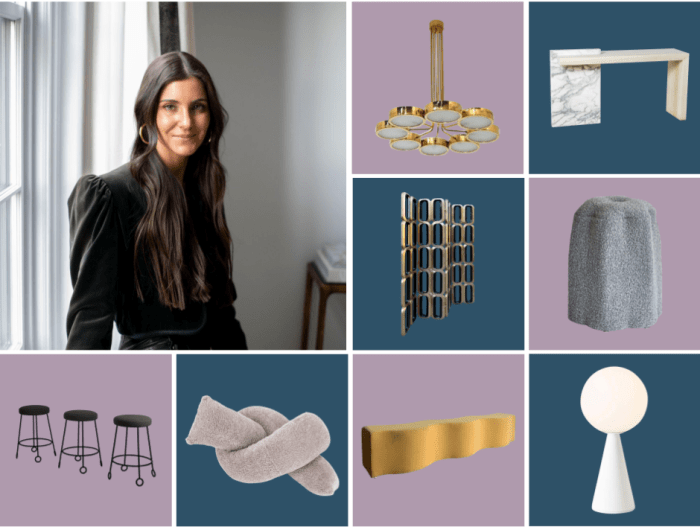
Scandinavian Minimalist Mood Board
This mood board showcases a Scandinavian minimalist office design.
- Flooring: Light oak engineered hardwood. This provides a natural, warm feel consistent with Scandinavian design, offering durability and ease of maintenance. The light color reflects light, making the space feel larger and brighter.
- Walls: Off-white matte paint. This creates a clean, minimalist backdrop that allows other design elements to stand out. The matte finish minimizes glare and creates a calming atmosphere.
- Furniture: Light-colored wood and muted gray fabric. Simple, functional furniture with clean lines contributes to the minimalist aesthetic. The muted gray upholstery adds a touch of sophistication without overpowering the overall design.
- Lighting: A combination of recessed LED lighting and pendant lamps. Recessed lighting provides general illumination, while pendant lamps add a touch of style and task lighting. The LED lighting is energy-efficient and provides a crisp, bright light.
- Accent Pieces: Natural materials like wool throws and plants. These elements introduce texture and warmth while staying true to the natural aesthetic of Scandinavian design. The plants add a touch of life and improve air quality.
The Influence of Workplace Culture on Commercial Office Design
Source: henckdesign.com
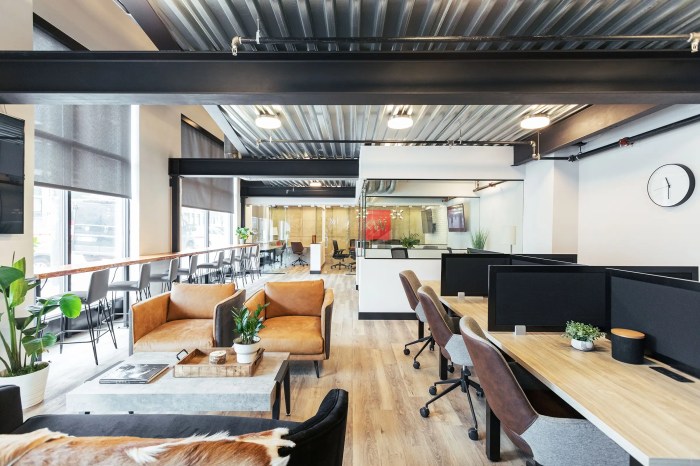
Company culture is no longer just a buzzword; it’s a fundamental driver of successful businesses. And a significant part of cultivating a thriving culture is reflected in the physical workspace. The design and layout of a commercial office directly impacts employee morale, productivity, and ultimately, the company’s bottom line. A well-designed office space can attract and retain top talent, fostering a positive and productive work environment.
The design choices made – from the layout and furniture to the color palette and technology integration – all communicate the company’s values and priorities. This isn’t just about aesthetics; it’s about creating a space that supports the way people work and interact, reflecting the unique personality and goals of the organization.
Company Culture Manifestation in Office Design
Different company cultures lead to drastically different office designs. For instance, a creative agency might opt for an open-plan layout with collaborative workspaces, colorful furniture, and breakout areas for brainstorming sessions. This contrasts sharply with a financial institution, which might favor private offices, a more formal aesthetic, and a focus on individual workspaces to maintain confidentiality and encourage focused work. A tech startup might prioritize a flexible, agile workspace with standing desks, comfortable seating areas, and collaborative technology. These design choices reflect the company’s values, priorities, and the way employees work best.
Office Design and Employee Engagement and Retention
A thoughtfully designed office can significantly impact employee engagement and retention. When employees feel valued and comfortable in their workspace, they are more likely to be engaged and productive. Features like natural light, comfortable furniture, and access to amenities like a gym or break room can significantly boost morale and reduce stress. Conversely, a poorly designed office can lead to decreased productivity, higher turnover rates, and a negative impact on company culture. Studies have shown a direct correlation between positive work environments and increased employee satisfaction and retention. For example, companies that invest in ergonomic furniture and comfortable workspaces often see a decrease in sick days and improved employee well-being.
Key Elements of a Positive and Productive Work Environment
Creating a positive and productive work environment involves a holistic approach to office design. Key elements include:
* Natural Light: Maximizing natural light improves mood and productivity.
* Ergonomic Furniture: Providing comfortable and supportive furniture reduces physical strain and improves well-being.
* Collaboration Spaces: Dedicated areas for teamwork and brainstorming encourage collaboration and knowledge sharing.
* Quiet Zones: Providing areas for focused individual work reduces distractions and enhances concentration.
* Breakout Areas: Informal spaces for relaxation and socializing improve employee morale and reduce stress.
* Biophilic Design: Incorporating natural elements like plants and natural materials can reduce stress and improve air quality.
* Technology Integration: Seamless integration of technology supports efficient workflow and collaboration.
Design Strategies to Support Different Work Styles
Understanding the various work styles within a company is crucial for effective space planning. Here are some design strategies to support different approaches:
Different work styles require different types of spaces. Consider the following strategies for optimal workspace design:
- Collaborative Work Styles: Open-plan layouts, collaborative tables, breakout rooms, and whiteboards encourage interaction and teamwork.
- Individual Focused Work Styles: Private offices, quiet zones, and individual workspaces provide the necessary focus and concentration for individual tasks.
- Hybrid Work Styles: A mix of open and private spaces, hot-desking options, and technology that supports remote collaboration are key for flexibility.
- Agile Work Styles: Flexible furniture, adaptable spaces, and easily reconfigurable layouts allow for changes in team size and project needs.
Final Summary
Source: behance.net
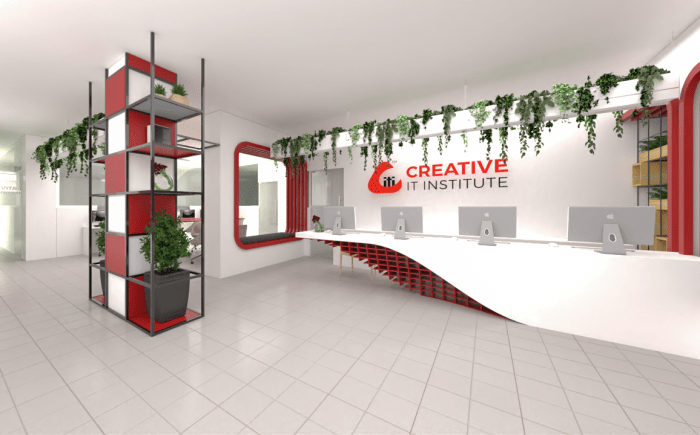
Designing a successful commercial office space requires a holistic approach, balancing functionality, aesthetics, and the needs of the people who work there. By understanding current trends, leveraging technology, and prioritizing employee well-being, businesses can create environments that not only attract and retain top talent but also drive innovation and success. Remember, the ideal office design is a dynamic reflection of the company’s culture and values, ultimately creating a space where employees thrive.