Inside Design A Comprehensive Guide
Inside design isn’t just about pretty pictures; it’s about crafting spaces that reflect your personality and enhance your life. This guide dives into the core principles, from understanding different design styles and planning functional layouts to selecting materials and mastering the art of lighting. We’ll explore everything from minimalist aesthetics to luxurious retreats, helping you transform your house into a home that truly works for you.
We’ll cover the key aspects of interior design, from the foundational understanding of different styles and the practicalities of space planning to the finer details of material selection and lighting design. This guide provides a roadmap to help you navigate the exciting world of interior design, whether you’re a seasoned professional or just starting to explore your creative side.
Defining Interior Design Styles
Source: bsh.studio
Interior design styles are diverse and reflect a range of influences, from historical periods to contemporary trends. Understanding these styles helps homeowners and designers alike to create spaces that are both aesthetically pleasing and functionally appropriate. This section will explore several key styles, outlining their defining characteristics and highlighting their unique elements.
Minimalist Interior Design
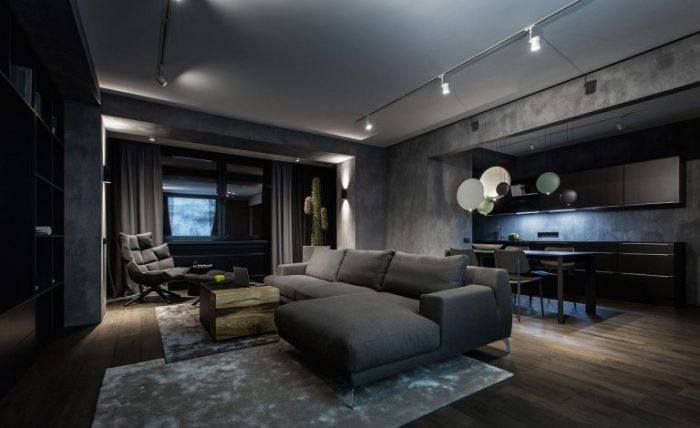
Minimalist interior design prioritizes simplicity and functionality. It emphasizes clean lines, a neutral color palette, and the absence of clutter. Furniture is typically sleek and multi-functional, often incorporating built-in storage solutions. The overall effect is a sense of calm and spaciousness, even in smaller rooms. Think of a sparsely furnished room with a neutral grey sofa, a simple coffee table, and a few carefully chosen pieces of art. The focus is on quality over quantity, with each item serving a purpose and contributing to the overall aesthetic.
Modern and Contemporary Interior Design
While often used interchangeably, modern and contemporary design styles have distinct differences. Modern design, rooted in the early to mid-20th century, emphasizes functionality and clean lines, often incorporating industrial materials like steel and glass. Think Bauhaus-inspired furniture and a focus on geometric shapes. Contemporary design, on the other hand, represents current trends and is more fluid and adaptable. It draws inspiration from various styles and incorporates new materials and technologies. While both share a preference for simplicity and functionality, modern design adheres to a specific historical aesthetic, whereas contemporary design is constantly evolving.
Traditional Interior Design
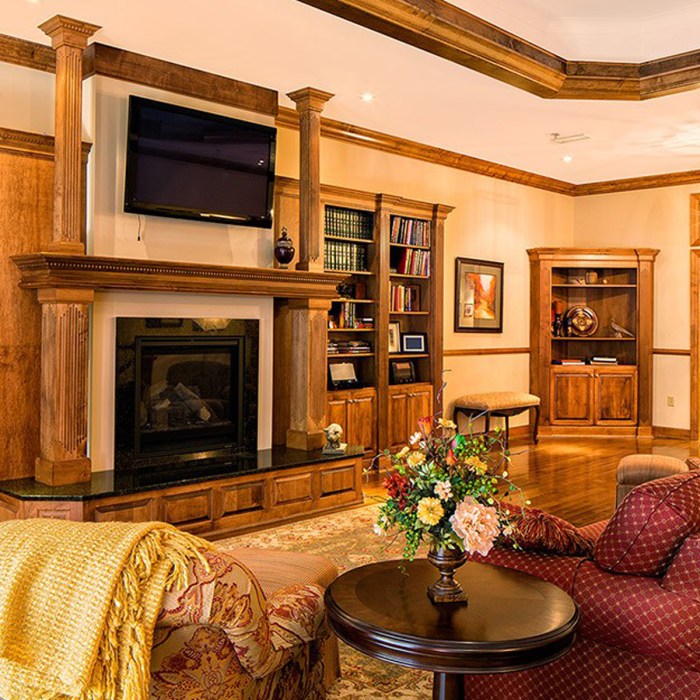
Traditional interior design draws inspiration from historical periods, particularly the 18th and 19th centuries. Key elements include ornate details, rich fabrics, and antique or antique-inspired furniture. Color palettes are often warm and inviting, with a focus on deep jewel tones and natural materials like wood and stone. Think plush velvet sofas, intricately carved wooden furniture, and patterned wallpapers. The overall atmosphere is one of elegance and sophistication.
Color Palettes in Different Interior Design Styles
Color plays a crucial role in setting the mood and tone of a space. Minimalist designs often utilize neutral palettes of whites, grays, and beiges, occasionally accented with a single bold color. Modern and contemporary styles may incorporate brighter colors, but still maintain a sense of balance and harmony. Traditional designs often feature richer, deeper colors like burgundy, navy, and emerald green. The use of color is always carefully considered to complement the overall style and create a cohesive design.
Comparison of Interior Design Styles
| Style | Defining Features | Color Schemes | Typical Furniture |
|---|---|---|---|
| Minimalist | Clean lines, uncluttered spaces, functionality | Neutral (white, gray, beige), single accent color | Sleek, multi-functional pieces, built-in storage |
| Modern | Geometric shapes, industrial materials, functionality | Neutral with pops of bold color, often monochrome | Steel, glass, and wood furniture with clean lines |
| Contemporary | Current trends, diverse materials, adaptable | Varied, reflects current trends | Mix of styles and materials, often incorporates technology |
| Traditional | Ornate details, rich fabrics, antique-inspired furniture | Warm, deep jewel tones, natural materials | Ornate wood furniture, plush upholstery, antique accents |
Space Planning and Functionality
Source: fanpop.com
Space planning is the art and science of arranging furniture and fixtures within a space to optimize its functionality, aesthetics, and flow. It’s crucial for creating comfortable and efficient living environments, especially in smaller spaces where every inch counts. Understanding how people move through a room and interact with its features is fundamental to successful space planning.
Functional Layout for a Small Apartment Living Room
Maximizing space and light in a small apartment living room requires careful consideration of furniture placement and multi-functional design. A modular sofa, for example, can serve as both seating and additional storage. Using light, neutral colors on walls and furniture can help to make the space feel larger and brighter. Mirrors strategically placed can also create the illusion of more space by reflecting light. A well-designed layout might incorporate a floating shelf unit instead of a bulky bookcase, maximizing floor space and providing ample storage. Consider using vertical space with tall, narrow bookshelves or storage units instead of sprawling low furniture. Natural light should be maximized by keeping windows unobstructed and using sheer curtains to allow light to filter through.
The Importance of Traffic Flow in Interior Design
Traffic flow, or the path people naturally take through a space, is paramount to interior design. Poor traffic flow can lead to cramped, cluttered, and inefficient spaces. A well-planned traffic flow ensures easy movement throughout the room, preventing bottlenecks and awkward maneuvering. In a living room, for instance, you want to easily navigate between the seating area, the TV, and any other focal points. A clear path from the entryway to other rooms is equally important. Designing around furniture placement that facilitates a smooth, uninterrupted flow makes a room feel more spacious and welcoming. Consider the size and shape of your furniture, and how it interacts with the pathways in your home. Avoid placing large pieces of furniture in high-traffic areas.
Considerations for Designing a Child’s Bedroom
Designing a child’s bedroom requires prioritizing safety, functionality, and age-appropriateness. Furniture should be child-sized and sturdy, with rounded edges to prevent injuries. Storage solutions should be accessible to the child, promoting independence and organization. The room should be well-lit, with both ambient and task lighting. Consider incorporating playful elements, such as colorful accents, themed décor, or a fun rug. Safety features like window guards and electrical outlet covers are essential. Choosing non-toxic paints and materials is also a priority. The design should be adaptable to accommodate the child’s changing needs as they grow. A flexible layout that allows for easy reconfiguration of furniture is advantageous.
Incorporating Universal Design Principles into a Home
Universal design aims to create spaces that are usable and accessible to people of all ages and abilities. This involves incorporating features that cater to a wide range of physical and cognitive needs. Examples include lever-style door handles instead of knobs, which are easier to grip for people with arthritis, or installing ramps instead of stairs for wheelchair accessibility. Clear pathways free of obstacles, well-lit areas with sufficient contrast, and adjustable-height countertops and sinks are other examples. Using a variety of textures and materials can enhance sensory experiences. Choosing easy-to-clean surfaces reduces maintenance. This approach promotes inclusivity and makes the home more comfortable and convenient for everyone.
Optimizing Storage Solutions in a Kitchen
Efficient kitchen storage is crucial for functionality and organization. Pull-out drawers and shelves maximize accessibility to items in the back of cabinets. Corner cabinets can be fitted with specialized organizers to utilize otherwise wasted space. Vertical storage, such as tall pantry cabinets, can increase storage capacity. Using stackable containers and organizing trays helps keep items neat and easily identifiable. Wall-mounted racks can free up counter space for food preparation. Consider installing a spice rack, pot rack, or utensil organizer to improve workflow and minimize clutter. Custom cabinetry can be designed to fit the specific needs and layout of the kitchen.
Material Selection and Finishes
Source: decorilla.com
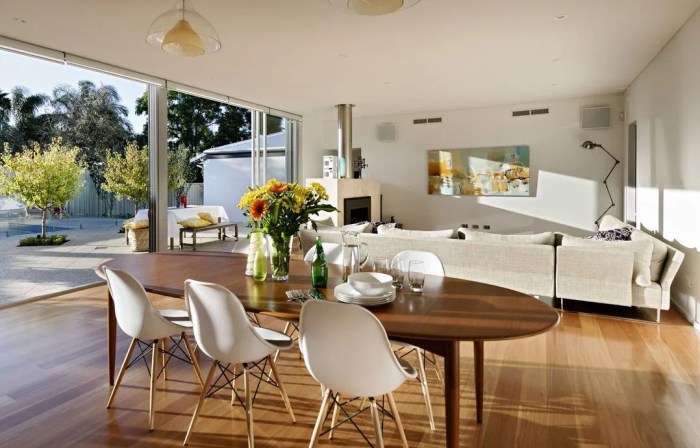
Choosing the right materials and finishes is crucial for creating a beautiful and functional interior. The interplay of textures, colors, and durability significantly impacts the overall feel and longevity of your design. Consider the space’s purpose, the desired aesthetic, and practical aspects like maintenance before making any decisions.
Natural Light’s Influence on Material Selection
Natural light dramatically alters how materials appear. Light, airy spaces benefit from lighter-colored materials that reflect light, creating a brighter, more open feel. Darker colors can absorb light, making a room feel cozier but potentially smaller. For example, a dark hardwood floor in a north-facing room might appear dull, while the same floor in a sun-drenched room could feel rich and warm. Conversely, a pale, reflective tile in a dark corner might brighten the space significantly, whereas in a brightly lit area, it might appear washed out. Consider the direction and intensity of natural light in each room when selecting colors and materials.
Durability and Maintenance of Flooring Materials
Hardwood flooring offers timeless elegance but requires regular maintenance, including occasional refinishing to address scratches and wear. Tile, particularly porcelain or ceramic, is highly durable and easy to clean, making it ideal for high-traffic areas and bathrooms. However, tile can be cold underfoot and can chip or crack if heavy objects are dropped. Carpet offers warmth and sound absorption, but it can be prone to staining and requires regular cleaning, potentially needing professional cleaning every few years. The best choice depends on your lifestyle, budget, and the room’s function.
Paint Finish Properties and Room Suitability
Different paint finishes offer varying levels of durability and sheen. Flat or matte finishes are excellent for hiding imperfections in walls but are more difficult to clean. Eggshell finishes offer a slightly more durable and washable surface, suitable for living rooms and bedrooms. Satin finishes are more durable and washable, ideal for kitchens and bathrooms, while semi-gloss and high-gloss finishes are the most durable and easy to clean, best suited for high-traffic areas or rooms prone to moisture. Consider the level of traffic and potential for spills when selecting a paint finish.
Luxurious Bathroom Mood Board
Imagine a luxurious bathroom mood board featuring the following: A large, polished marble slab serving as the vanity top, its cool, veined texture contrasting with the warmth of a dark, oiled walnut wood vanity unit. The walls are clad in large-format, matte porcelain tiles in a soft, creamy white, providing a clean and sophisticated backdrop. The shower features mosaic tiles in a deep teal, adding a touch of drama. Accents of brushed gold on the faucets and lighting fixtures create a sense of opulence. Soft, plush towels in a deep charcoal gray add a luxurious textural element. The overall effect is one of sophisticated serenity and understated elegance.
Sustainable and Eco-Friendly Materials
Choosing sustainable materials reduces the environmental impact of your interior design project.
- Reclaimed wood: Offers unique character and reduces deforestation.
- Bamboo: A rapidly renewable resource, strong and versatile.
- Cork: Sustainable, naturally insulating, and aesthetically pleasing.
- Recycled glass tiles: Adds visual interest while diverting waste from landfills.
- Organic cotton fabrics: Soft, breathable, and biodegradable.
- Linoleum: Made from natural materials, durable, and easy to maintain.
- Low-VOC paints: Minimize harmful emissions.
Lighting and Ambiance: Inside Design
Source: hzcdn.com
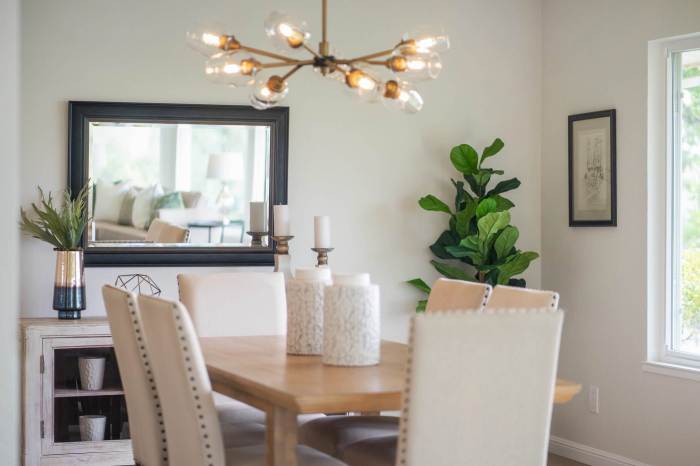
Lighting is more than just illuminating a space; it’s about setting the mood, highlighting architectural details, and enhancing the overall ambiance of your interior design. A well-planned lighting scheme can transform a room, making it feel warm and inviting or cool and sophisticated, depending on your design goals. Understanding the interplay of ambient, task, and accent lighting is key to achieving the desired effect.
Dining Room Lighting Plan
A well-lit dining room should offer a balance between functional illumination for dining and a warm, inviting atmosphere for conversation and enjoyment. To achieve this, we’ll incorporate three types of lighting: ambient, task, and accent. Ambient lighting provides overall illumination, task lighting focuses light on the dining table, and accent lighting highlights architectural features or decorative elements. For example, a central chandelier provides ambient light, while recessed lights above the table offer task lighting. Wall sconces could provide soft accent lighting, highlighting artwork or architectural molding. This layered approach ensures both functionality and a pleasant atmosphere.
Mood Creation Through Light Fixtures
Different light fixtures create vastly different moods. Warm-toned, diffused lighting from a large pendant light, for example, can create a relaxed and intimate atmosphere, perfect for a romantic dinner. Conversely, bright, cool-toned recessed lighting can create a more modern and energetic feel, suitable for a lively gathering. The material of the fixture also impacts the ambiance; a sleek, metallic fixture will feel modern, while a rustic wood fixture will create a more traditional and cozy feeling. Consider using dimmers to adjust the intensity of your lighting and further control the mood.
Maximizing Natural Light in Spaces with Limited Windows
Even rooms with limited natural light can benefit from strategic design choices to maximize what light is available. Using light-colored walls and flooring helps reflect available light, making the space feel brighter. Mirrors strategically placed can also reflect and distribute natural light, increasing its reach. Sheer curtains allow natural light to filter through while maintaining privacy. Maximizing the use of glass elements, such as glass doors or large windows, even in smaller sizes, can help increase natural light. For instance, a glass-paned door replacing a solid wood door in a small dining room will allow much more natural light to enter the space.
Highlighting Architectural Features with Lighting
Lighting can be used to dramatically highlight architectural features, adding depth and visual interest to a space. Recessed lighting can be used to accentuate high ceilings or crown molding. Wall-washing techniques, using uplights or spotlights, can draw attention to textured walls or stonework. Similarly, cove lighting, installed in recessed areas, can create a soft, ambient glow that emphasizes the architectural details of the ceiling. Imagine using uplights to highlight a beautiful stone fireplace, drawing the eye to its texture and form.
Creating a Warm and Inviting Ambiance
A warm and inviting ambiance is achieved through a combination of lighting and décor. Warm-toned light bulbs (2700K-3000K) emit a yellowish hue, creating a cozy and welcoming atmosphere. Using lamps and other soft light sources instead of harsh overhead lighting can contribute to a more intimate feel. Adding decorative elements such as candles, textured rugs, and warm-colored fabrics further enhances the warmth. For instance, a combination of a warm-toned pendant light above the dining table, table lamps on the sideboards, and soft candlelight creates a truly inviting and romantic ambiance.
Interior Design Trends
Source: archvisionstudio.com
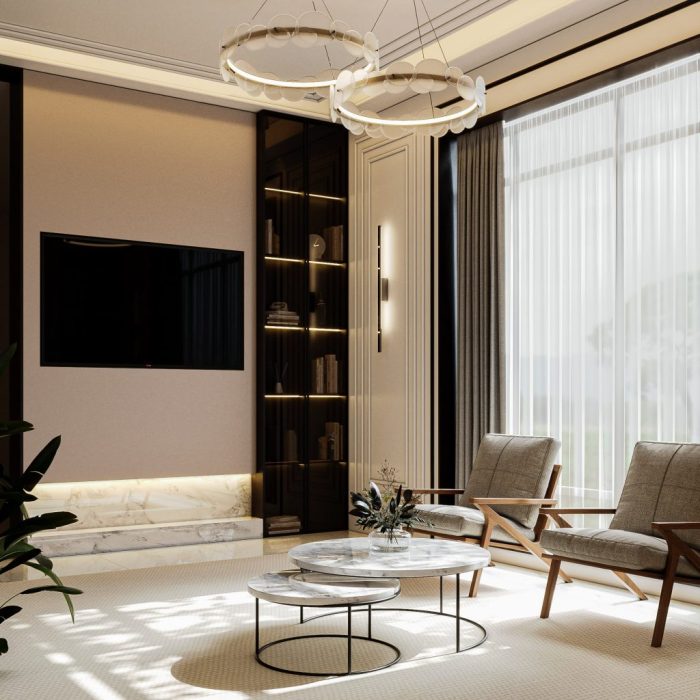
Interior design is a dynamic field, constantly evolving to reflect changing lifestyles, technologies, and societal values. Understanding current and emerging trends is crucial for both professionals and homeowners seeking to create stylish and functional spaces. This section explores some key trends shaping the residential interior design landscape.
Emerging Residential Interior Design Trends
Three prominent trends currently shaping residential interiors are the rise of maximalism, the continued popularity of Japandi style, and the increasing integration of curved lines and organic shapes. Maximalism, a reaction against the minimalism of recent years, embraces rich textures, vibrant colors, and eclectic combinations of patterns and furniture styles. Japandi, a hybrid of Japanese and Scandinavian design, offers a serene and minimalist aesthetic characterized by natural materials, neutral palettes, and clean lines. The incorporation of curved lines and organic forms softens sharp angles and creates a more welcoming and fluid feel within a space. These trends reflect a desire for both personalization and a sense of calm amidst busy lives.
Technology’s Influence on Modern Interior Design
Technology is profoundly impacting modern interior design, influencing everything from smart home integration to material innovation. Smart home technology allows for automated lighting, climate control, and entertainment systems, enhancing convenience and energy efficiency. Furthermore, advancements in materials science are leading to the development of more sustainable and durable products, such as recycled materials and innovative finishes with enhanced performance characteristics. Consider, for example, the use of self-healing concrete or textiles made from recycled plastic bottles; these innovations are both aesthetically pleasing and environmentally responsible. Virtual and augmented reality are also transforming the design process, enabling clients to visualize and interact with their spaces before construction even begins.
The Growing Popularity of Biophilic Design
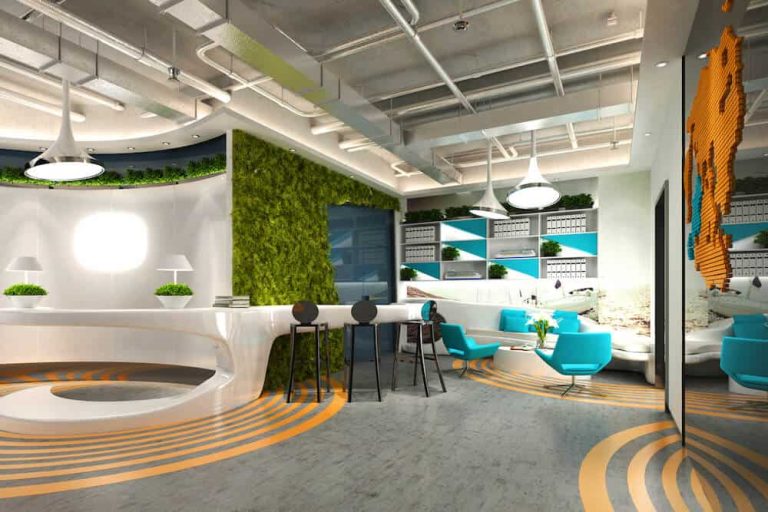
Biophilic design, which incorporates natural elements into interior spaces, is gaining significant traction. This trend reflects a growing awareness of the positive impact of nature on mental and physical well-being. Biophilic design principles include the use of natural materials like wood and stone, the incorporation of plants and greenery, and the creation of spaces that maximize natural light and ventilation. Examples include living walls, indoor gardens, and the use of natural light shafts to bring the outdoors in. The aim is to create a calming and restorative environment that connects occupants with the natural world.
Sustainable Practices Shaping Interior Design Trends, Inside design
Sustainability is no longer a niche concern but a central consideration in interior design. Consumers are increasingly demanding environmentally friendly materials and practices. This is driving the adoption of sustainable materials such as reclaimed wood, bamboo, and recycled fabrics. Designers are also focusing on reducing waste through efficient space planning and the selection of durable, long-lasting products. The circular economy model, which emphasizes reuse and recycling, is gaining prominence, with designers actively seeking out materials with minimal environmental impact and incorporating upcycled furniture and decor. The goal is to create beautiful and functional spaces that minimize their environmental footprint.
Current Interior Design Trends and Projected Lifespan
| Trend | Description | Projected Lifespan (Years) | Example |
|---|---|---|---|
| Maximalism | Rich textures, vibrant colors, eclectic mix of styles | 5-7 | A living room featuring bold patterned wallpaper, velvet furniture, and a collection of antique and modern art. |
| Japandi | Minimalist aesthetic blending Japanese and Scandinavian design | 8-10 | A bedroom with light wood flooring, simple furniture, and natural textiles. |
| Biophilic Design | Incorporating natural elements into interior spaces | 10+ | A home office with a living wall, large windows, and natural wood accents. |
| Sustainable Design | Focus on environmentally friendly materials and practices | 10+ | A kitchen featuring recycled countertops and energy-efficient appliances. |
Illustrative Examples
Source: dia-arch.com
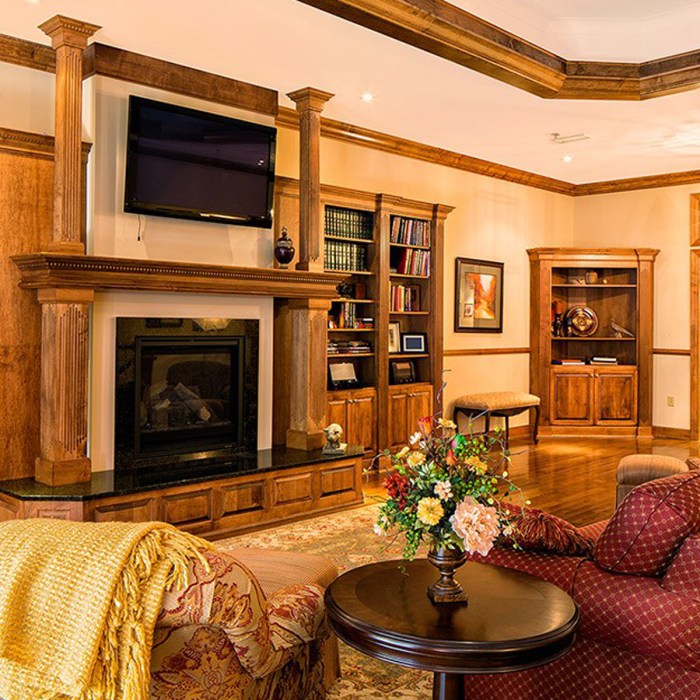
Let’s bring our interior design discussions to life with some detailed examples. These descriptions will help solidify your understanding of the styles and principles we’ve covered. Remember, these are just starting points; you can adapt and personalize these elements to create unique and beautiful spaces.
Mid-Century Modern Living Room
Imagine a living room bathed in the warm glow of natural light. The furniture is characterized by clean lines and organic shapes. A low-slung sofa, upholstered in a rich, textured fabric like wool in a muted olive green, anchors the space. Paired with it are two armchairs, possibly in a lighter beige or a contrasting burnt orange, echoing the organic forms of the sofa. A coffee table made of teak or walnut, with tapered legs and a simple, rectangular top, sits between them. A sculptural floor lamp with a tripod base and a parchment shade provides focused illumination. The color palette is generally neutral, with pops of color strategically placed through accent pillows or a vibrant piece of artwork. The overall aesthetic is one of relaxed sophistication, a blend of comfort and understated elegance.
Minimalist Bedroom
This bedroom is a study in simplicity and serenity. The walls are painted a calming, light grey, allowing the natural light to flood the space. The furniture is minimal—a low platform bed with a linen headboard, a simple nightstand, and a built-in wardrobe that seamlessly integrates into the wall. The textures are key: the crisp linen of the bedding contrasts with the smooth, cool surface of the nightstand, perhaps made of light-colored wood or concrete. The lighting is soft and diffused, perhaps from recessed ceiling lights or a minimalist pendant lamp. The overall feeling is one of calm and spaciousness, a sanctuary for rest and rejuvenation. The absence of clutter contributes significantly to the sense of peace.
Luxurious Master Bathroom
Step into a master bathroom that exudes opulence. The walls are clad in large format, polished marble tiles in a creamy white, creating a sense of spaciousness and light. The flooring is similarly luxurious, perhaps a heated mosaic tile in a subtle grey pattern. A freestanding soaking tub, crafted from polished cast iron or a similar material, takes center stage. The vanity is a statement piece, made of dark stained wood with sleek, integrated sinks and brushed nickel fixtures. A large walk-in shower features rain showerheads and glass enclosures, showcasing the beautiful tiling. The lighting is layered, with recessed lights for overall illumination and vanity lighting for task-oriented illumination. The overall atmosphere is one of indulgent relaxation, a spa-like sanctuary for rejuvenation. High-end fixtures and finishes create a truly luxurious experience.
Conclusion
Source: shoutmecrunch.com
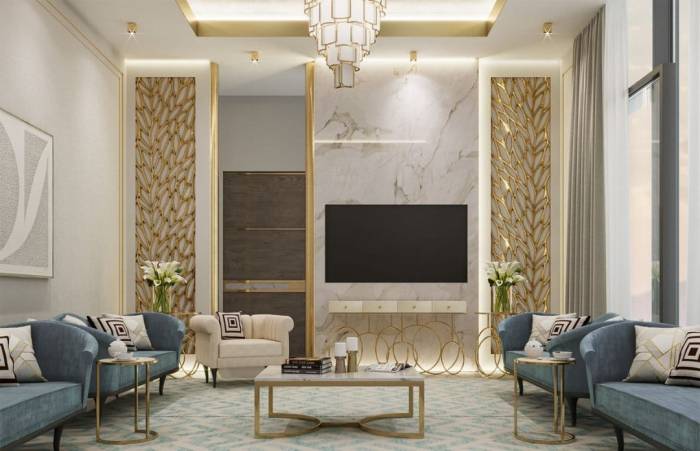
Ultimately, successful inside design is about more than just aesthetics; it’s about creating spaces that are functional, comfortable, and reflective of your personal style. By understanding the principles Artikeld in this guide—from style selection and space planning to material choices and lighting design—you can confidently embark on your interior design journey. Remember, the process is as important as the result; enjoy the creative exploration and the transformation of your living spaces.