Emily Henderson Design A Style Guide
Emily Henderson Design isn’t just about interiors; it’s about crafting spaces that reflect personality and tell a story. Her signature style blends modern and traditional elements, creating homes that are both stylish and livable. We’ll explore her design process, key elements, and the impact she’s had on the industry, showing you how to incorporate her aesthetic into your own home.
From vibrant color palettes to the thoughtful use of texture and pattern, Henderson’s approach is both innovative and approachable. This guide delves into the details, providing insights into her design philosophy, methodology, and the sustainable practices she champions. Get ready to be inspired!
Emily Henderson Design’s Style & Aesthetics
Source: hearstapps.com
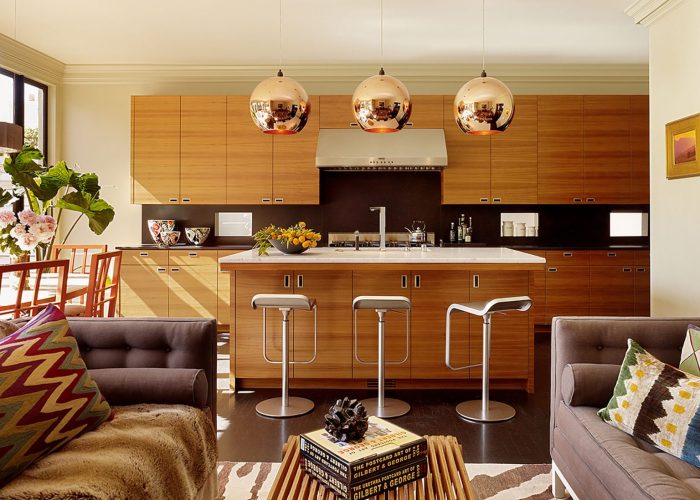
Emily Henderson’s design style is instantly recognizable for its blend of eclecticism, warmth, and a distinctly approachable, lived-in feel. It’s not about strict adherence to a single aesthetic but rather a masterful curation of diverse elements that somehow cohere into a harmonious and inviting whole. Her designs avoid feeling overly staged or precious; instead, they prioritize comfort, personality, and a sense of authentic storytelling.
Emily Henderson’s design aesthetic differs significantly from many other prominent interior designers. While some designers focus on minimalist modernism or rigidly traditional styles, Henderson embraces a more maximalist approach, incorporating vintage finds, bold patterns, and a mix of high and low design elements. Unlike designers who might prioritize a singular, highly curated look, Henderson’s style feels more inclusive and less prescriptive, encouraging clients to express their own unique personalities through the design process. This contrasts sharply with the often more austere or uniformly sleek styles seen in the work of some contemporary designers. For example, while a designer like Kelly Wearstler is known for her glamorous, high-end aesthetic, Henderson’s work feels more grounded and relatable, even while employing equally bold choices.
Emily Henderson’s Color Palettes
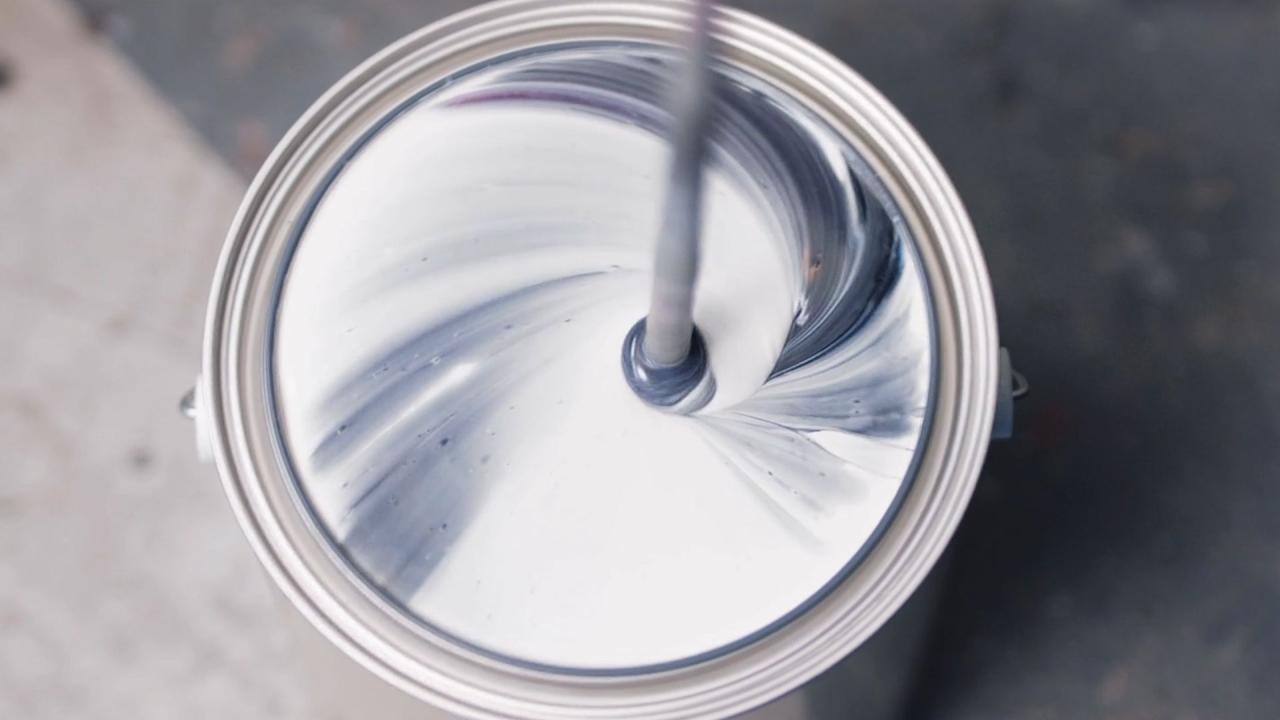
The color palettes employed in Emily Henderson’s projects often feature a warm, inviting foundation, building upon a base of neutrals with carefully chosen pops of color. These palettes rarely feel overly saturated or jarring; instead, they create a sense of balance and visual harmony. The inclusion of natural textures and materials further softens the overall impact of the color choices.
| Name | Primary Color | Secondary Color | Accent Color |
|---|---|---|---|
| Warm Neutral | Creamy Beige | Warm Gray | Deep Teal |
| Rustic Modern | Off-White | Dark Brown | Mustard Yellow |
| Coastal Eclectic | Soft White | Light Blue | Coral |
| Bohemian Chic | Warm Ivory | Terracotta | Deep Indigo |
Emily Henderson’s Design Process & Methodology
Source: stylebyemilyhenderson.com
Emily Henderson’s design process is a blend of creative vision, meticulous planning, and a deep understanding of her clients’ needs. It’s a collaborative journey that results in spaces that are both beautiful and functional, reflecting the unique personalities and lifestyles of those who inhabit them. Her approach is iterative, allowing for flexibility and adjustments throughout the project lifecycle.
The Emily Henderson design process typically unfolds in several key stages. It begins with a thorough understanding of the client’s vision and lifestyle, moving through space planning and design development, before culminating in the project’s implementation and final reveal. This collaborative approach ensures that the final design accurately reflects the client’s needs and aspirations.
Client Preference Incorporation
Emily Henderson is known for her ability to seamlessly integrate client preferences into her designs. This isn’t just about incorporating a favorite color or piece of furniture; it’s about understanding the underlying reasons behind those preferences and using them as a springboard for creative exploration. For instance, a client’s love for vintage finds might inspire a design scheme that incorporates reclaimed wood and antique accents, while a passion for vibrant colors could be subtly woven into the selection of textiles and artwork. She often uses mood boards and detailed questionnaires to thoroughly understand her clients’ aesthetic sensibilities and functional requirements. A client’s love for entertaining, for example, might lead to a design featuring a spacious and well-equipped kitchen and dining area, while a preference for quiet relaxation might inspire a serene and calming bedroom sanctuary.
Space Planning and Functionality
Space planning is a critical element of Emily Henderson’s design process. It’s about more than just arranging furniture; it’s about creating a flow and functionality that supports the client’s lifestyle. She carefully considers several key aspects:
The following considerations are crucial for creating a well-functioning and aesthetically pleasing space:
- Traffic Flow: Ensuring easy and intuitive movement throughout the space. This might involve strategically placing furniture to avoid bottlenecks or creating clear pathways between different areas.
- Natural Light Maximization: Optimizing the use of natural light to create a bright and airy atmosphere. This could involve strategic window placement or the use of light-colored paint and furnishings.
- Storage Solutions: Incorporating ample storage to keep the space organized and clutter-free. This could involve custom-built cabinetry, strategically placed shelving, or the use of stylish storage containers.
- Focal Points: Creating visual interest and drawing the eye to specific areas within the space. This might involve a statement fireplace, a striking piece of artwork, or a beautifully designed window seat.
- Ergonomics and Accessibility: Ensuring that furniture and fixtures are placed and sized to accommodate the needs of the occupants, considering factors such as height, reach, and mobility.
Key Elements in Emily Henderson’s Designs
Source: stylebyemilyhenderson.com
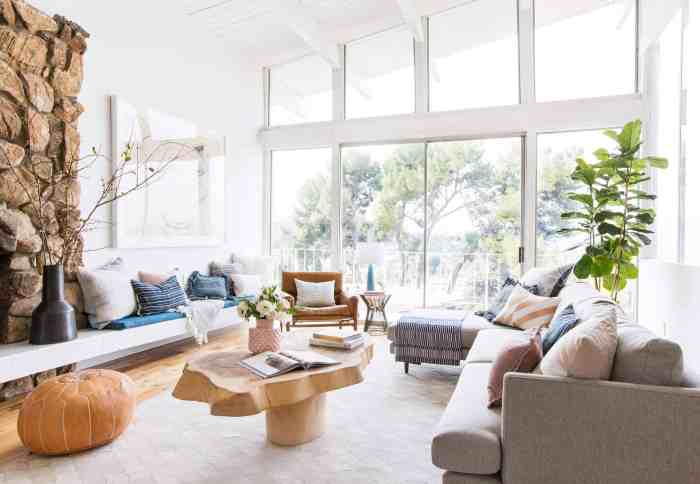
Emily Henderson’s signature style is instantly recognizable, a blend of relaxed sophistication and effortless chic. It’s not just about individual pieces, but a carefully curated approach to layering textures, colors, and patterns to create spaces that feel both inviting and stylish. Her designs consistently showcase a keen eye for detail and a deep understanding of how to use light and space to maximum effect.
Recurring design elements are central to understanding her aesthetic. These elements contribute to the cohesive and inviting feel of her projects.
Recurring Design Elements, Emily henderson design
Henderson’s designs frequently feature a mix of vintage and contemporary furniture pieces. Think comfortable, slightly worn sofas paired with sleek modern side tables or a beautifully aged dresser juxtaposed with a minimalist mirror. Natural materials like wood, linen, and rattan are heavily favored, creating a warm and inviting atmosphere. She masterfully incorporates textures – think chunky knit throws, plush velvet cushions, and woven rugs – to add depth and visual interest. A consistent use of layered lighting, incorporating table lamps, floor lamps, and overhead fixtures, contributes to the overall ambiance. Color palettes often lean towards a neutral base with pops of color strategically placed through accessories like artwork, pillows, and throws. These elements work together to create a space that feels both lived-in and stylish.
The Use of Natural Light
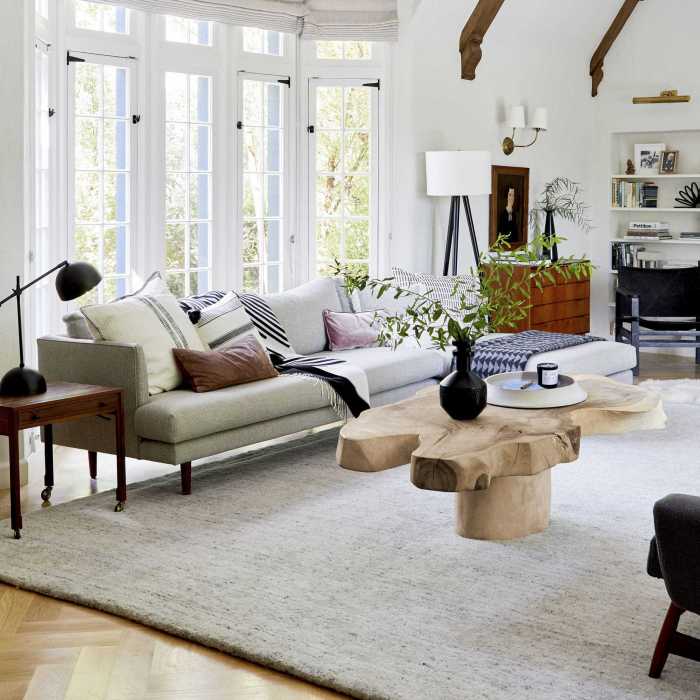
Natural light plays a crucial role in Emily Henderson’s design philosophy. She leverages it to highlight architectural details, create a sense of spaciousness, and enhance the overall mood of a room. Imagine a sun-drenched living room with large windows allowing abundant light to flood the space. This light illuminates a light-colored rug, highlighting its texture and subtle pattern. The light dances off the polished wooden surfaces of a coffee table and sideboards, creating a warm glow. Shadows gently fall across the walls, adding depth and interest to the room. The natural light is not merely illumination; it’s a design element in itself, shaping the atmosphere and interacting with the carefully chosen materials and colors to create a truly inviting and vibrant space.
Hypothetical Living Room Design
This hypothetical living room, inspired by Emily Henderson’s style, centers around a comfortable, oversized linen sofa in a warm beige hue. A large, hand-woven jute rug anchors the seating area, adding texture and warmth underfoot. Two vintage armchairs in a complementary muted blue velvet flank the sofa, providing additional seating and a pop of color. A sleek, modern coffee table made of light-colored wood sits in the center, offering a practical surface and a visual counterpoint to the softer textures of the sofa and armchairs. A large gallery wall featuring a mix of framed prints and photographs adds visual interest, while layered lighting, including a statement floor lamp and table lamps, ensures ample illumination. The overall atmosphere is relaxed and inviting, a space that feels both stylish and lived-in, showcasing the key elements of Emily Henderson’s signature design.
Impact & Influence of Emily Henderson Design
Source: stylebyemilyhenderson.com
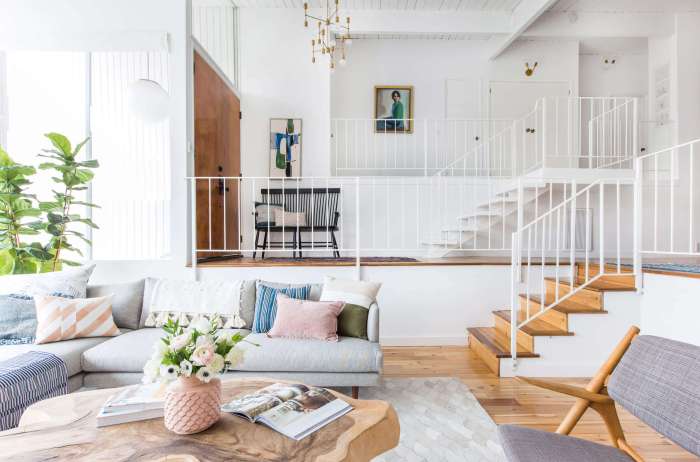
Emily Henderson’s design influence extends far beyond her successful blog and television appearances. Her approachable yet sophisticated style has resonated with a wide audience, shaping current interior design trends and inspiring a generation of DIY enthusiasts and professional designers alike. Her impact stems from a unique blend of accessibility, high-quality design, and a commitment to creating spaces that are both beautiful and functional.
Emily Henderson’s design philosophy significantly impacts current trends by championing a layered, eclectic approach that embraces imperfection and personal expression. This contrasts sharply with the sometimes sterile minimalism or overly-formal traditional styles that have dominated interior design at various points. Her work emphasizes the use of color, pattern, and texture to create visually interesting and inviting spaces, challenging the notion that a cohesive design must be rigidly uniform.
Emily Henderson’s Influence on Current Interior Design Trends
Henderson’s influence is evident in the rising popularity of several key trends. Her signature style, characterized by a blend of vintage and contemporary pieces, has contributed to the widespread embrace of eclecticism. The intentional layering of textures—from plush rugs and linen upholstery to rough-hewn wood and metallic accents—is another hallmark of her design that’s become increasingly prevalent. Furthermore, her commitment to incorporating personal stories and meaningful objects into her designs has fueled the growing movement towards creating homes that reflect the unique personalities and lifestyles of their inhabitants. The move away from perfectly staged, impersonal spaces towards more lived-in, comfortable aesthetics is directly linked to her advocacy for genuine, personal style.
Comparison of Emily Henderson’s Design Philosophy with Traditional and Contemporary Approaches
While Emily Henderson draws inspiration from both traditional and contemporary design, her approach differs significantly. Traditional design often prioritizes symmetry, formality, and a cohesive color palette, often favoring classic styles and neutral tones. Contemporary design, in contrast, often leans towards minimalism and clean lines, with a focus on functionality and modern materials. Henderson’s style acts as a bridge between these two approaches. She embraces the warmth and character of traditional design elements but infuses them with the fresh energy and creativity of contemporary design. She expertly blends vintage finds with modern pieces, creating spaces that are both timeless and current. Instead of rigid adherence to a single style, she celebrates a curated eclecticism that allows for individual expression and a unique narrative within each space.
Significant Milestones and Achievements in Emily Henderson’s Career
The following timeline showcases key moments in Emily Henderson’s successful career, demonstrating her growth and impact on the design world.
- Early 2000s: Launched her design blog, establishing a strong online presence and building a loyal following.
- Mid-2000s: Gained recognition for her unique design style and DIY projects, solidifying her position as a prominent voice in the blogosphere.
- Late 2000s – Early 2010s: Expanded her brand beyond blogging, launching her e-commerce store and offering design services.
- 2010s: Published her first book, further solidifying her expertise and reach.
- 2010s – Present: Hosted several television shows, showcasing her design skills to a wider audience and further increasing her influence.
- Present: Continues to expand her brand through various collaborations, partnerships, and ongoing design projects, maintaining a strong and relevant presence in the ever-evolving world of interior design.
Emily Henderson’s Use of Patterns and Textures
Source: stylebyemilyhenderson.com
Emily Henderson masterfully employs patterns and textures to elevate her designs beyond simple aesthetics, creating spaces that are both visually captivating and deeply layered. She doesn’t just use patterns; she orchestrates them, weaving together diverse elements to achieve a sense of balance and visual rhythm that feels both intentional and effortlessly chic. This approach is key to her signature style, contributing significantly to the lived-in, yet sophisticated feel of her projects.
Emily Henderson’s approach to pattern and texture isn’t about following trends, but about creating a unique narrative within each space. She expertly balances bold patterns with more subtle ones, often layering them to create depth and interest. The result is a cohesive and engaging visual experience that avoids feeling overwhelming or cluttered. Her use of texture complements this, adding another dimension of richness and tactile appeal.
Pattern Combinations in Emily Henderson’s Designs
Emily Henderson frequently uses a variety of pattern combinations, often layering smaller-scale patterns with larger ones to create visual interest. For instance, she might pair a subtle floral print on a sofa with a larger geometric rug, creating a dynamic yet balanced composition. In other instances, she uses a repeating pattern on wallpaper as a backdrop, then introduces contrasting patterns in smaller accessories, like throw pillows or artwork. The effect is often one of playful sophistication, where the patterns enhance each other rather than compete. A common technique is to use a neutral base and introduce pops of color and pattern through carefully selected accessories, creating a dynamic yet balanced feel. This approach prevents the space from feeling chaotic, even when incorporating multiple patterns.
Frequently Used Textures in Emily Henderson’s Designs
The textures Emily Henderson incorporates are just as crucial as her patterns. They add a sense of tactility and warmth, transforming a space from merely visually appealing to deeply inviting.
- Natural Fibers: Rugs made of jute, sisal, or wool, linen upholstery, and cotton throws are frequently used to create a grounded, organic feel. These textures add warmth and visual softness, contrasting beautifully with harder surfaces like wood or stone.
- Velvet: A luxurious texture often seen in upholstery or throw pillows, velvet adds a touch of opulence and drama. Its soft, plush feel contributes to the overall comfort and sophistication of the room.
- Wood: Whether it’s the warmth of a reclaimed wood coffee table or the sleekness of a polished wood floor, wood is a staple in Emily Henderson’s designs. Its natural grain and variation add character and visual interest.
- Stone: Stone, particularly in the form of countertops or fireplace surrounds, adds a sense of permanence and solidity. The cool texture of stone provides a beautiful contrast to the warmth of other materials.
- Leather: Leather accents, such as chairs or ottomans, introduce a touch of rugged elegance. Its durability and rich texture contribute to the overall sense of quality and sophistication.
Sustainability and Ethical Considerations in Emily Henderson’s Designs
Source: stylebyemilyhenderson.com
Emily Henderson’s design philosophy extends beyond aesthetics; she actively incorporates sustainable and ethical practices into her projects, reflecting a growing awareness within the design industry about the environmental and social impact of choices made. This commitment is evident in her material selections, sourcing strategies, and overall approach to design.
Emily Henderson’s approach to sustainable design prioritizes longevity and minimizing environmental impact. This is achieved through a combination of material choices, repurposing existing items, and collaborating with ethical suppliers. Her designs strive to be timeless and adaptable, resisting fleeting trends that contribute to excessive consumption and waste.
Sustainable Material Selection
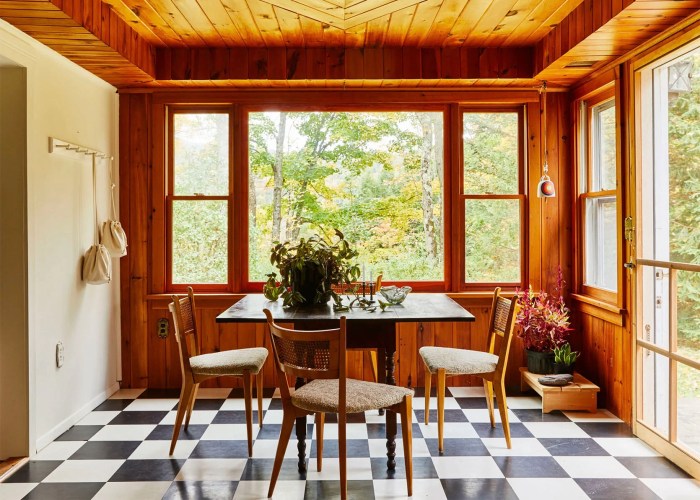
Emily Henderson frequently features sustainable materials in her projects. For example, she often incorporates reclaimed wood, which reduces the demand for newly harvested timber and minimizes deforestation. She also champions the use of natural fibers like organic cotton and linen for textiles, opting for materials with lower environmental impact compared to synthetic alternatives. The use of low-VOC (Volatile Organic Compound) paints is another key element, minimizing the release of harmful chemicals into the air. These choices reflect a conscious effort to create healthier and more environmentally friendly living spaces.
Repurposing and Vintage Items
A significant aspect of Emily Henderson’s design philosophy is the integration of vintage and repurposed items. This practice not only reduces waste by giving new life to existing objects but also adds unique character and personality to her designs. She often sources antique furniture, giving it a new lease on life through careful restoration and reupholstering. This approach reduces the need for new manufacturing, minimizing the energy and resources required for production. Incorporating vintage elements also promotes a sense of history and individuality, creating spaces that are rich in character and avoid the homogenization often associated with mass-produced items.
Ethical Sourcing and Partnerships
While specific details about all her suppliers aren’t always publicly available, Emily Henderson frequently highlights her collaborations with artisans and businesses committed to ethical practices. This includes supporting smaller, local businesses that prioritize fair wages and sustainable production methods. By choosing to work with these partners, she contributes to a more equitable and environmentally responsible supply chain. This commitment to ethical sourcing extends beyond the materials themselves, encompassing the entire production process and its impact on people and the planet.
Last Recap
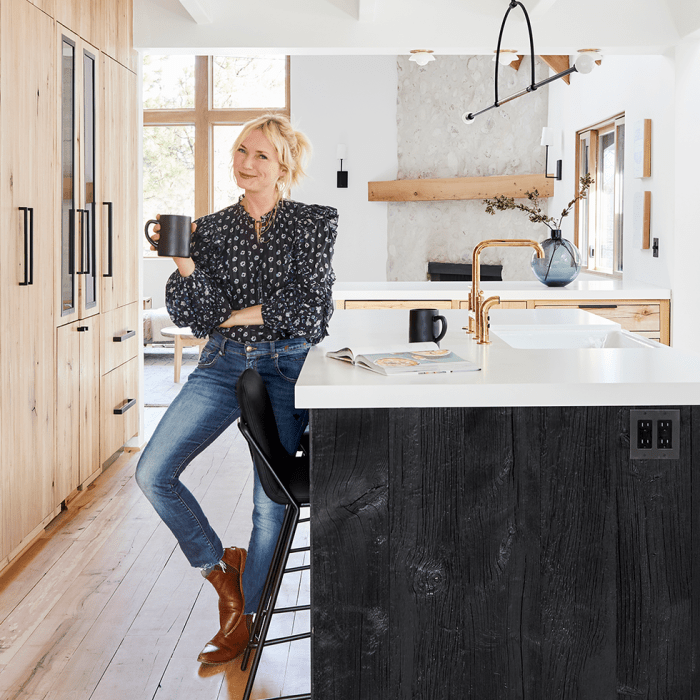
Source: hearstapps.com
Emily Henderson’s influence on interior design is undeniable. Her ability to seamlessly blend style and functionality, while prioritizing sustainability and ethical sourcing, sets her apart. By understanding her design principles and incorporating her key elements, you can create spaces that are not only beautiful but also reflect your unique personality and values. So, go forth and design a home that truly feels like you!