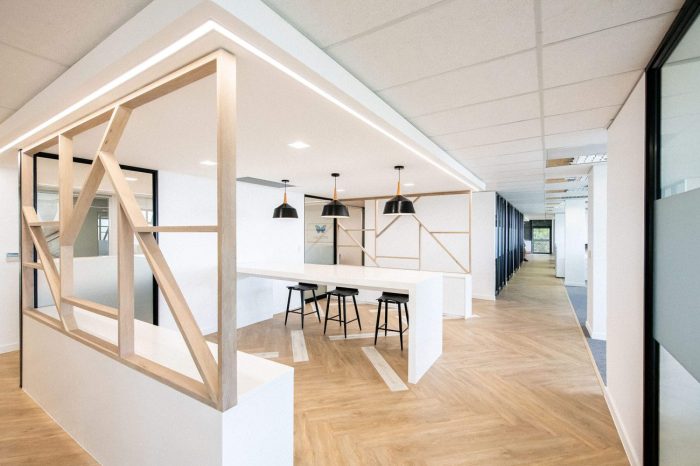
Commercial Interior Designers Shaping Spaces
Commercial interior designers are the unsung heroes behind the scenes of successful businesses. They transform sterile spaces into functional, aesthetically pleasing environments that boost productivity, enhance brand image, and leave a lasting impression. From the sleek lines of a modern office to the welcoming atmosphere of a trendy hotel, these designers skillfully blend form and function to create spaces that work as hard as the people who occupy them. This exploration delves into the world of commercial interior design, uncovering the intricacies of the process, the challenges faced, and the rewarding results.
This guide covers everything from understanding the unique needs of various commercial sectors (offices, retail, hospitality, healthcare, etc.) to navigating the design process, selecting appropriate materials, and leveraging technology to create innovative and sustainable spaces. We’ll also explore the crucial aspects of marketing and branding for commercial interior design firms in today’s competitive landscape. Get ready to discover the artistry and science behind creating exceptional commercial interiors.
Defining the Scope of “Commercial Interior Designers”
Source: relgrow.com
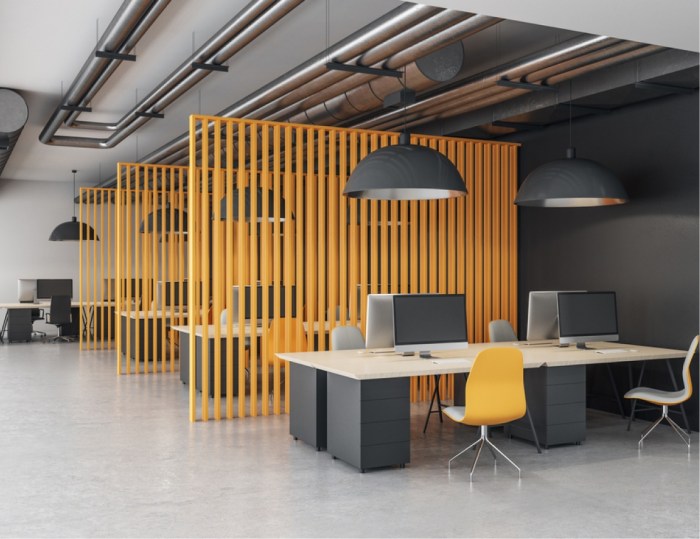
Commercial interior designers are the creative minds behind the spaces where we work, shop, and play. They go beyond aesthetics, focusing on functionality, safety, and the overall user experience within a commercial environment. Their work impacts everything from employee productivity to customer satisfaction and brand image.
Commercial interior design differs significantly from residential design in its scale, budget, and client relationships. While residential designers primarily focus on the individual needs and preferences of a single family or person, commercial designers work with larger spaces, often involving multiple stakeholders and complex building codes. The design process is usually more formalized, involving detailed plans, specifications, and often collaboration with architects and contractors. Commercial projects also tend to have much larger budgets and stricter timelines.
Types of Commercial Spaces
Commercial interior designers work across a wide variety of sectors. They might design the layout and décor of offices, creating productive and inspiring work environments. They might transform retail spaces into visually appealing and customer-friendly stores, boosting sales and brand recognition. Or they might create relaxing and inviting hospitality spaces in hotels, restaurants, or spas, enhancing the guest experience. These are just a few examples of the diverse range of projects they undertake.
Differences Between Residential and Commercial Interior Design
The key difference lies in the scale and complexity of the projects. Residential projects typically involve smaller spaces and a single client with personal preferences. Commercial projects often involve larger spaces, multiple stakeholders (landlords, tenants, employees, etc.), and adherence to strict building codes and regulations. The design process for commercial spaces is typically more rigorous and involves detailed documentation, whereas residential design is often more flexible and adaptable. Budgeting is also significantly different; commercial projects usually have much larger budgets and more complex financial considerations.
Specialized Areas in Commercial Interior Design
The field is constantly evolving, with specialized niches emerging to meet the unique demands of different sectors. Healthcare interior design focuses on creating healing environments that promote patient well-being and staff efficiency. Educational spaces require designs that foster learning and collaboration. Other specialized areas include workplace design (optimizing office spaces for productivity), retail design (enhancing the shopping experience), and hospitality design (creating memorable guest experiences).
Comparison of Design Needs Across Commercial Sectors
| Commercial Sector | Primary Design Needs | Key Considerations | Example Focus |
|---|---|---|---|
| Office | Productivity, collaboration, branding, ergonomics | Space planning, technology integration, accessibility | Open-plan layouts, comfortable seating, natural light |
| Retail | Visual merchandising, customer flow, brand identity | Lighting, signage, point-of-sale displays | Attractive displays, clear wayfinding, comfortable shopping experience |
| Hospitality | Ambiance, comfort, functionality, safety | Accessibility, durability, aesthetics | Relaxing atmosphere, comfortable seating, efficient layouts |
| Healthcare | Hygiene, safety, comfort, wayfinding | Infection control, accessibility, calming aesthetics | Easy cleaning, clear signage, calming color palettes |
The Design Process for Commercial Spaces
Source: archute.com
Designing a commercial interior space is a multifaceted process requiring careful planning, collaboration, and a deep understanding of the client’s needs. It’s more than just aesthetics; it’s about creating a functional and inspiring environment that enhances productivity, brand identity, and the overall user experience. This process typically involves several key stages, each crucial to the project’s success.
The design process begins with a thorough understanding of the client’s vision and objectives. This initial phase is crucial for setting the foundation for the entire project. Without a clear understanding of the client’s needs, the design process can easily veer off course, resulting in a space that doesn’t meet its intended purpose.
Client Consultation and Needs Assessment
Effective communication and collaboration with the client are paramount from the outset. This involves detailed discussions to uncover their specific requirements, including the intended use of the space, target audience, budget constraints, and brand identity. Understanding the client’s workflow, operational needs, and long-term goals is essential for creating a design that is both functional and aesthetically pleasing. For example, a bustling coffee shop will have vastly different requirements than a quiet co-working space. A thorough needs assessment allows the designer to develop a design brief that acts as a roadmap for the entire project. This might involve questionnaires, site visits, and multiple meetings to fully grasp the client’s vision.
Space Planning Techniques
Space planning is a critical stage that focuses on optimizing the layout of the space to maximize functionality and aesthetics. Several techniques can be employed, including:
- Adjacency Matrix: This visual tool helps determine the optimal placement of different areas based on their functional relationships. For instance, a kitchen in a restaurant should be close to the dining area for efficient service.
- Bubble Diagrams: These sketches illustrate the relative sizes and relationships between different zones within the space. This allows for early identification of potential spatial conflicts and helps in refining the overall layout.
- Programming: This involves a detailed analysis of the client’s needs and how they translate into specific spatial requirements. This could involve calculating the required square footage for different areas based on occupancy rates or equipment needs.
Effective space planning considers factors like traffic flow, accessibility, and the integration of technology. For example, in a retail space, the placement of displays and checkout counters is crucial for optimizing customer flow and encouraging purchases. In an office, the layout should facilitate collaboration and communication while minimizing distractions.
Design Development and Presentation
Following the space planning phase, detailed design development commences. This stage involves creating detailed drawings, specifications, and renderings to visualize the design concept. This phase includes selecting materials, finishes, lighting, and furniture to align with the client’s brand and functional requirements. A comprehensive presentation to the client, often including 3D models and detailed specifications, is crucial for securing their approval before moving to the next stage.
Project Implementation and Management
This stage involves overseeing the construction and installation process, ensuring that the design is implemented according to the specifications. This requires close coordination with contractors, suppliers, and other stakeholders. Regular site visits and communication are crucial to address any issues that may arise during construction.
Flowchart of the Commercial Interior Design Project
The following illustrates the typical flow of a commercial interior design project:
[Imagine a flowchart here. It would start with “Initial Client Consultation,” branching to “Needs Assessment & Programming,” then to “Space Planning & Concept Development,” followed by “Design Development & Presentation,” then “Client Approval,” then “Project Implementation & Management,” and finally “Project Completion & Handover”. Arrows would connect each stage.]
Key Considerations in Commercial Interior Design: Commercial Interior Designers
Source: com.au
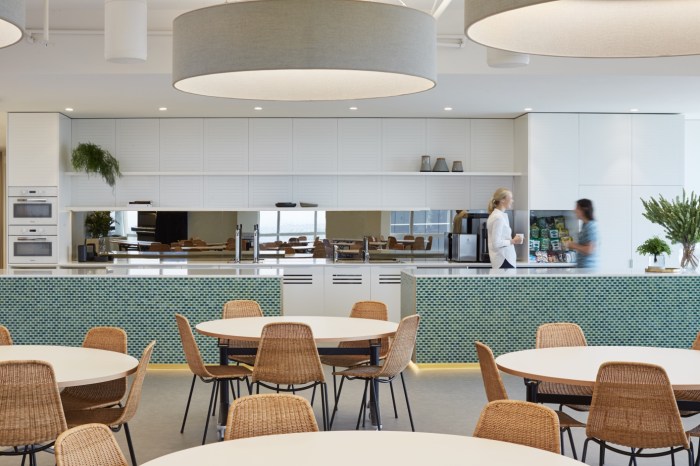
Designing a successful commercial interior space involves far more than just aesthetics. It requires a deep understanding of functionality, sustainability, accessibility, and legal compliance. Ignoring these crucial aspects can lead to costly mistakes and even legal repercussions. This section explores some key considerations that every commercial interior designer should prioritize.
Sustainability and Eco-Friendly Materials
Sustainability is no longer a trend; it’s a necessity. Choosing eco-friendly materials significantly reduces the environmental impact of a project. This includes using recycled materials like reclaimed wood or recycled metal, opting for low-VOC (volatile organic compound) paints and finishes to improve indoor air quality, and selecting sustainably harvested timber. Consider materials with high recycled content, durability to extend their lifespan, and those sourced locally to reduce transportation emissions. The long-term cost savings associated with energy-efficient designs and durable materials often outweigh the initial investment. For example, using energy-efficient lighting can drastically reduce electricity bills over the life of the building. Similarly, selecting durable flooring materials can minimize the need for frequent replacements.
Accessibility and Universal Design Principles
Accessibility is paramount in commercial spaces. Universal design principles ensure that the space is usable and enjoyable by people of all ages and abilities. This involves incorporating features such as ramps, wider doorways, accessible restrooms, and appropriate signage. Properly placed grab bars in restrooms and strategically located seating areas cater to a wider range of users. Consider visual aids such as tactile paving for the visually impaired and clear, easy-to-read signage. Adhering to the Americans with Disabilities Act (ADA) standards is crucial to avoid legal issues and create an inclusive environment. A well-designed accessible space not only complies with regulations but also enhances the overall user experience.
Common Challenges Faced by Commercial Interior Designers
Commercial interior design often involves navigating several challenges. Budget constraints are a frequent hurdle, requiring designers to balance aesthetic goals with cost-effectiveness. This necessitates creative problem-solving and exploring cost-effective materials and construction methods without compromising quality or design integrity. Time limitations are another common issue, often involving tight deadlines that demand efficient project management and coordination among various stakeholders. Balancing the client’s vision with practical considerations, such as building codes and regulations, also requires skillful negotiation and compromise. Unexpected site conditions, such as structural limitations or unforeseen utility issues, can further complicate projects, demanding flexibility and quick adaptation from the design team.
Relevant Building Codes and Regulations
Compliance with building codes and regulations is non-negotiable. Failing to meet these standards can result in project delays, fines, and even legal action. The specific codes vary by location, but common regulations include:
- Fire safety codes: These regulations address fire prevention, detection, and suppression systems, including exit routes, fire extinguishers, and sprinkler systems.
- Accessibility standards: These standards, such as the ADA (Americans with Disabilities Act) in the United States, ensure that the space is accessible to people with disabilities.
- Electrical codes: These codes govern the safe installation and operation of electrical systems.
- Plumbing codes: These codes regulate the installation and maintenance of plumbing systems.
- Mechanical codes: These codes address the design and installation of HVAC (heating, ventilation, and air conditioning) systems.
- Energy codes: These codes aim to promote energy efficiency in buildings.
It’s crucial to consult with local authorities and relevant professionals to ensure full compliance with all applicable building codes and regulations throughout the design and construction process.
Materials and Technology in Commercial Design
Source: devx.work
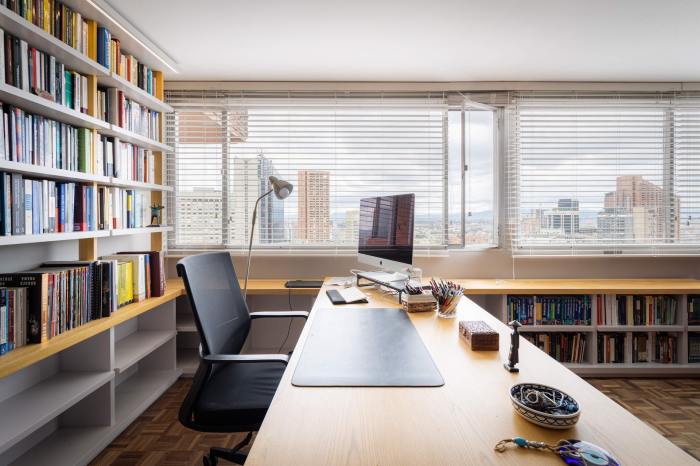
Choosing the right materials and integrating technology effectively are crucial for creating successful commercial interiors. These elements not only impact the aesthetic appeal but also the functionality, sustainability, and overall user experience of the space. The interplay between material selection and technological integration shapes the design trends and client expectations, constantly evolving with advancements in both fields.
Material selection in commercial spaces involves careful consideration of durability, maintainability, cost, and aesthetic appeal. Different materials offer unique properties suitable for various applications. For instance, resilient flooring options like vinyl or polished concrete are preferred in high-traffic areas, while carpet might be more suitable for offices requiring sound absorption. Similarly, wall coverings range from durable paints to sophisticated wall panels, each impacting the space’s acoustics, aesthetics, and maintenance requirements. Lighting choices, from energy-efficient LEDs to statement pendant lights, greatly influence the ambiance and functionality of a commercial space.
Material Comparisons in Commercial Interiors
Flooring options commonly include carpet tiles (offering easy replacement and customization), hardwood (classic and elegant, but requiring more maintenance), vinyl (durable and waterproof), and polished concrete (modern and industrial, but can be cold). Wall coverings vary widely, from paint (versatile and cost-effective) to wallpaper (adds visual interest), textured wall panels (provide acoustic benefits and visual appeal), and natural materials like wood or stone (create a luxurious feel). Lighting choices encompass LED panels (energy-efficient and customizable), recessed lighting (provides even illumination), track lighting (flexible and adaptable), and statement fixtures (add a design focal point). Each material choice impacts the overall look, feel, and functionality of the space, requiring careful consideration of factors like budget, maintenance, and desired atmosphere.
Technology Integration in Commercial Spaces
Smart lighting systems allow for dynamic control of illumination levels and color temperature, enhancing energy efficiency and creating adaptable work environments. Automation systems, encompassing HVAC control, security systems, and shading devices, improve operational efficiency and occupant comfort. Digital signage and interactive displays provide engaging communication platforms, while wayfinding technologies assist navigation within large or complex buildings. These technologies not only improve functionality but also enhance the overall user experience, creating more comfortable, efficient, and engaging spaces.
Impact of Technology on Design Trends and Client Expectations, Commercial interior designers
The integration of technology has significantly influenced design trends, leading to a greater focus on sustainability, personalization, and seamless user experiences. Clients increasingly expect smart building features, such as automated lighting and climate control, enhancing productivity and comfort. The ability to personalize lighting and temperature settings, for example, caters to individual preferences, reflecting a shift towards more human-centered design approaches. Furthermore, technology allows for data-driven design decisions, optimizing space utilization and resource management based on actual usage patterns.
Emerging Technologies Influencing Commercial Interior Design
Several emerging technologies are poised to reshape the future of commercial interior design.
- Biophilic Design Technologies: Integrating living walls and automated systems for optimal indoor air quality and natural light management.
- Augmented Reality (AR) and Virtual Reality (VR): Allowing for immersive design visualization and client collaboration, enabling more informed design decisions.
- 3D Printing and Parametric Design: Enabling the creation of complex and customized interior elements, pushing the boundaries of design possibilities.
- Internet of Things (IoT) Sensors: Gathering data on occupancy, environmental conditions, and user behavior to optimize space utilization and energy efficiency.
- Artificial Intelligence (AI) in Design: Assisting designers in generating design options, predicting user needs, and optimizing space planning.
Marketing and Branding for Commercial Interior Designers
Source: relgrow.com
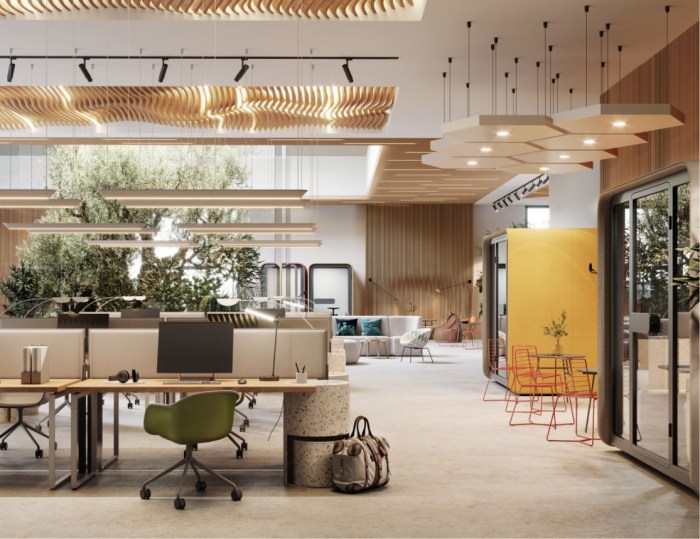
In today’s competitive market, a strong marketing and branding strategy is crucial for commercial interior design firms to attract and retain clients. A well-defined brand identity, coupled with a robust digital presence, is essential for showcasing expertise and securing profitable projects. This section Artikels key strategies for building a successful brand and reaching potential clients.
Digital Marketing Strategy for Commercial Interior Design Firms
A comprehensive digital marketing strategy is vital for reaching a broad audience of potential clients. This involves optimizing your online presence across various platforms to ensure maximum visibility and engagement. A multi-faceted approach is recommended, leveraging the strengths of different channels. This includes a professional website, active social media engagement, and targeted online advertising. Consider search engine optimization () to improve organic search rankings, ensuring your firm appears prominently in relevant online searches. Paid advertising campaigns on platforms like Google Ads and social media can further boost visibility and target specific demographics or project types. Regularly updating your website with fresh content, such as blog posts showcasing recent projects or design trends, also helps improve and engage visitors.
Showcasing a Portfolio of Completed Projects
Your portfolio is your most powerful marketing tool. It demonstrates your design capabilities, style, and attention to detail. High-quality photography and videography are essential for showcasing completed projects effectively. Your website should feature a dedicated portfolio section, organized by project type or style, allowing potential clients to easily browse your work. Each project should include detailed descriptions, highlighting the design challenges, solutions, and client outcomes. Consider incorporating interactive elements, such as virtual tours or 360° views, to offer a more immersive experience. In addition to your website, you can showcase selected projects on platforms like Houzz, Pinterest, and Instagram, maximizing your reach and exposure to potential clients. Think about creating case studies that delve deeper into the design process and the results achieved, providing compelling evidence of your expertise.
Networking and Building Relationships with Potential Clients
Networking is paramount in the commercial interior design industry. Building strong relationships with architects, contractors, developers, and other industry professionals can lead to valuable referrals and collaboration opportunities. Attending industry events, conferences, and workshops provides opportunities to connect with potential clients and learn about emerging trends. Active participation in professional organizations can also enhance your network and credibility. Maintaining consistent communication with your existing clients and fostering long-term relationships can also generate repeat business and positive word-of-mouth referrals. Personalized outreach, such as sending tailored proposals or following up after meetings, can further strengthen your connections and increase your chances of securing new projects.
Sample Social Media Campaign Targeting Commercial Clients
A targeted social media campaign can significantly boost brand awareness and generate leads. Focus on platforms frequented by your target audience, such as LinkedIn for professional networking and Instagram for visually driven content. The campaign should feature high-quality images and videos of your completed projects, showcasing the unique aspects of your designs. Consider running contests or giveaways to encourage engagement and generate buzz. Share insightful blog posts or articles on relevant industry topics, positioning your firm as a thought leader. Use relevant hashtags to increase the visibility of your posts and reach a wider audience. For example, a LinkedIn post could highlight a successful project with a focus on sustainability, using hashtags like #sustainabledesign #commercialinteriordesign #officedesign. An Instagram post could showcase a visually stunning office space with a caption highlighting the design’s impact on employee productivity and well-being, using hashtags like #officespace #interiordesign #workplacewellness. Remember to consistently monitor and analyze your campaign’s performance, adjusting your strategy as needed to maximize its effectiveness.
Illustrative Examples of Commercial Interior Design
Source: mchoiceinterior.com
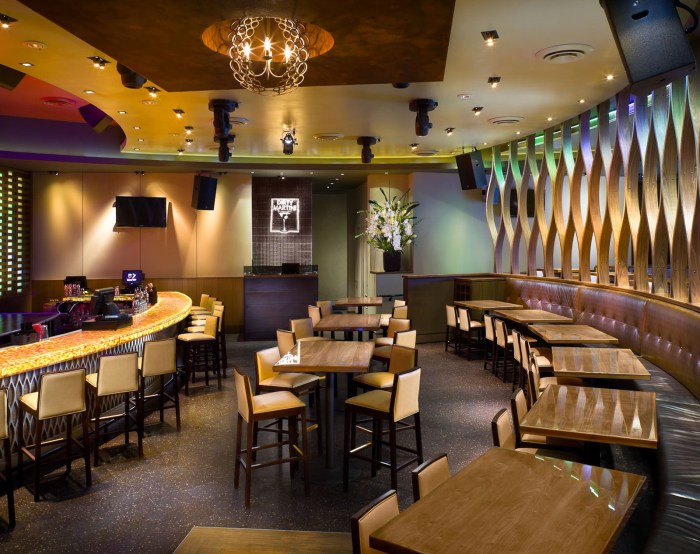
Successful commercial interior design isn’t just about aesthetics; it’s about creating spaces that function optimally and enhance the experience of those who use them. Let’s explore some examples to illustrate this point.
A Successful Commercial Interior Design Project: The “Creative Hub” Co-working Space
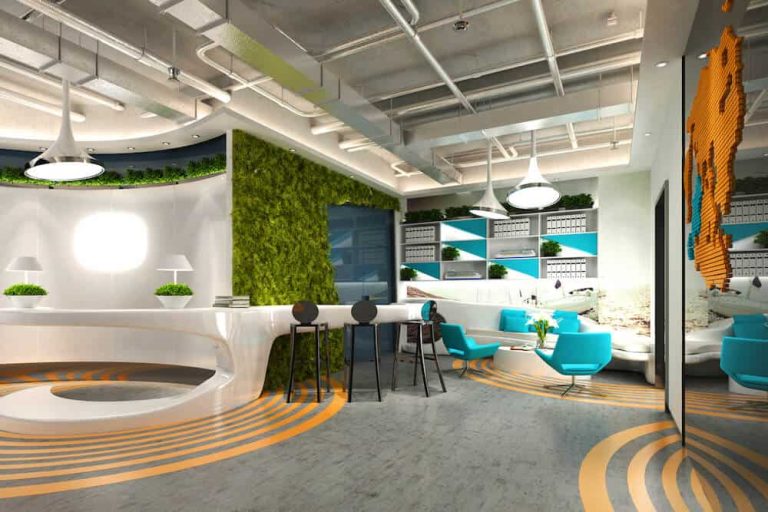
This project involved transforming a previously underutilized warehouse space into a vibrant co-working environment. The design prioritized natural light, incorporating large windows and skylights to minimize the need for artificial lighting during the day. Exposed brick walls were retained and complemented with polished concrete floors, creating a raw, industrial aesthetic. Pops of color were introduced through strategically placed modular furniture in bright teal and sunshine yellow, contrasting beautifully against the neutral backdrop. The lighting design was layered, using pendant lights over collaborative work areas, track lighting for focused tasks, and ambient lighting to create a welcoming atmosphere. The overall aesthetic was modern industrial, balancing functionality with a creative and inspiring atmosphere. This resulted in a significant increase in membership and positive client feedback, demonstrating the direct impact of thoughtful design on business success. The use of sustainable materials, such as reclaimed wood for some shelving units, also appealed to environmentally conscious clientele.
Design Process and Challenges: The “Zenith” Office Renovation
The Zenith office renovation presented unique challenges. The existing space was dated, with a compartmentalized layout that hindered collaboration. The client, a tech startup, desired a modern, open-plan office that fostered communication and innovation. The design process began with extensive stakeholder meetings to understand the company culture and workflow needs. This involved observing employee interactions and analyzing existing space usage. The initial challenge was to balance the need for open collaboration with the requirement for individual focus spaces. This was addressed by incorporating a variety of work settings – open desks, quiet zones with individual pods, and collaborative breakout rooms. Another significant challenge was integrating existing infrastructure, such as outdated HVAC systems, within the new design. This required creative solutions and close collaboration with contractors. The final design featured a calming color palette of blues and greens, complemented by natural wood accents and biophilic design elements, such as indoor plants, to promote employee well-being. The project was completed on time and within budget, resulting in a highly functional and aesthetically pleasing workspace that met the client’s needs.
Modern Office Space: A Visual Description
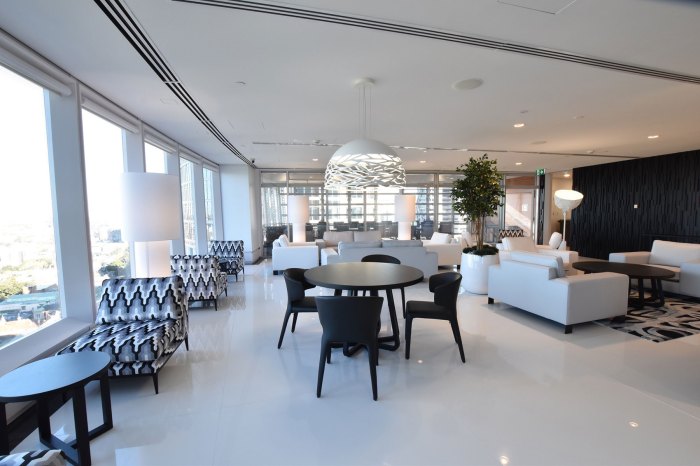
Imagine a modern office bathed in soft, natural light streaming through expansive windows. The walls are painted a calming shade of pale grey, providing a neutral backdrop for pops of color from vibrant artwork and strategically placed accent furniture in burnt orange and deep teal. The flooring is a textured, light-colored wood, offering warmth and a sense of calm. Task lighting is provided by sleek, adjustable desk lamps, while ambient lighting from recessed fixtures and floor lamps creates a comfortable and inviting atmosphere. Different textures are layered throughout the space – the smooth surfaces of the desks contrast with the woven texture of the rugs, and the plush upholstery of the seating areas adds a touch of luxury. The overall effect is a space that is both stimulating and relaxing, promoting both productivity and employee well-being. Plants are strategically placed throughout, adding a touch of nature and improving air quality. The open plan is broken up with smaller, enclosed meeting rooms, providing privacy when needed.
Closure
Source: interiorscontract.com
Creating successful commercial interiors is a multifaceted process that demands a keen understanding of design principles, client needs, and industry trends. From the initial concept to the final installation, commercial interior designers play a vital role in shaping the success of businesses. By embracing sustainable practices, incorporating cutting-edge technology, and focusing on creating user-friendly and inspiring spaces, these designers not only enhance aesthetics but also contribute to the overall well-being and productivity of occupants. The journey through the world of commercial interior design reveals a dynamic field where creativity meets practicality, resulting in environments that are both visually stunning and functionally effective.