Black Interiors Design & Style Guide
Black interiors: a bold choice, often associated with drama and sophistication, but capable of much more. From minimalist chic to maximalist opulence, black can create a range of moods and atmospheres, depending on how it’s used. This guide explores the psychology of black in design, practical considerations for implementation, and how to master lighting and texture to achieve your desired aesthetic.
We’ll delve into the challenges of working with black – managing light, choosing complementary materials, and preventing a space from feeling overwhelming. We’ll cover various design styles, from modern to Victorian, showcasing how black can be a unifying element, regardless of your preferred aesthetic. Get ready to explore the versatile world of black interiors and discover how to transform your space.
The Psychology of Black Interiors
Source: designcafe.com
Black, often perceived as a void or absence of color, surprisingly holds a powerful position in interior design. Its impact transcends mere aesthetics, deeply influencing the emotional atmosphere of a space and the way occupants perceive and interact with their environment. It’s a versatile hue capable of conveying sophistication, drama, or intimacy, depending on its application and the overall design approach.
Black’s emotional impact stems from its inherent association with power, mystery, and elegance. In design, it can create a sense of depth and richness, drawing the eye and emphasizing specific features. The way light interacts with black surfaces further contributes to its psychological effect, creating shadows and highlights that add drama and visual interest. The absence of bright, distracting colors allows other elements, like textures and lighting, to take center stage.
Black Evokes Sophistication, Drama, and Intimacy
The ability of black to evoke different emotional responses hinges largely on context. Used sparingly as an accent color against a neutral backdrop, black adds a touch of sophistication and elegance. Think of a black velvet armchair in a cream-colored living room – the black instantly elevates the room’s perceived value and adds a sense of refinement. In contrast, a room dominated by black, with strategic lighting and dramatic textures, creates a sense of mystery and drama, perhaps suitable for a home theater or a sophisticated study. Finally, the use of black in smaller, more intimate spaces like a bedroom or a cozy reading nook can foster a feeling of seclusion and warmth, particularly when combined with soft textures and warm lighting.
Black in Minimalist versus Maximalist Design
In minimalist design, black serves as a powerful backdrop, highlighting the clean lines and simplicity of the space. A minimalist black-and-white living room, for example, emphasizes negative space and the beauty of uncluttered design. Black furniture pieces, kept to a minimum, become focal points, enhancing the overall aesthetic. Conversely, in maximalist design, black acts as a unifying element, anchoring a space filled with diverse colors, textures, and patterns. The darkness provides a contrast that prevents the space from feeling overwhelming, while simultaneously highlighting the richness of the various elements. A maximalist bedroom might incorporate a black feature wall, allowing the vibrant bedding and accessories to pop against the dark background.
A Mood Board of Black Shades and Their Emotional Atmospheres
Imagine a mood board divided into three sections.
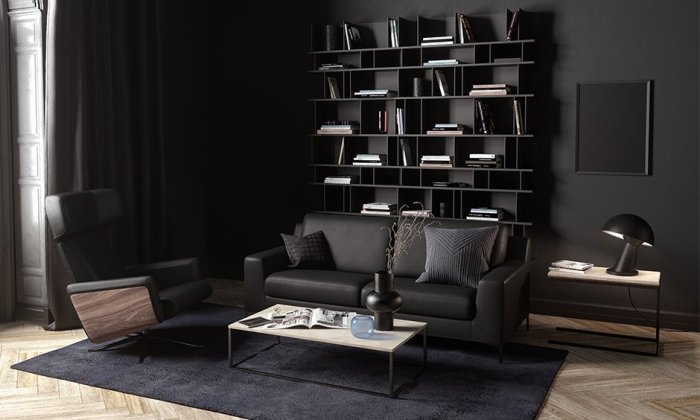
The first section features deep, matte blacks, like charcoal or ebony. These shades are evocative of a serious, powerful, and almost brooding atmosphere. Think of a dimly lit study, with a large leather armchair and dark wood bookshelves. The overall feeling is one of concentration, contemplation, and perhaps even a touch of mystery. The textures would be rough, adding to the sense of gravity.
The second section showcases softer blacks, like black with subtle gray undertones or a deep, velvety black. These shades convey a sense of elegance and luxury. Visualize a modern living room with sleek black furniture, plush velvet cushions, and soft, ambient lighting. The overall mood is sophisticated, inviting, and calm, suggesting comfort and refinement. The textures here are smooth and luxurious.
The third section presents lighter blacks, such as black with hints of blue or brown. These shades create a more approachable and less imposing atmosphere. Consider a bedroom with black-painted walls, accented with warm lighting and natural wood elements. The overall feeling is one of cozy intimacy and understated style, combining a sense of calm with a touch of personality. The textures might include natural fibers and soft textiles.
Practical Considerations for Black Interiors
Source: behance.net
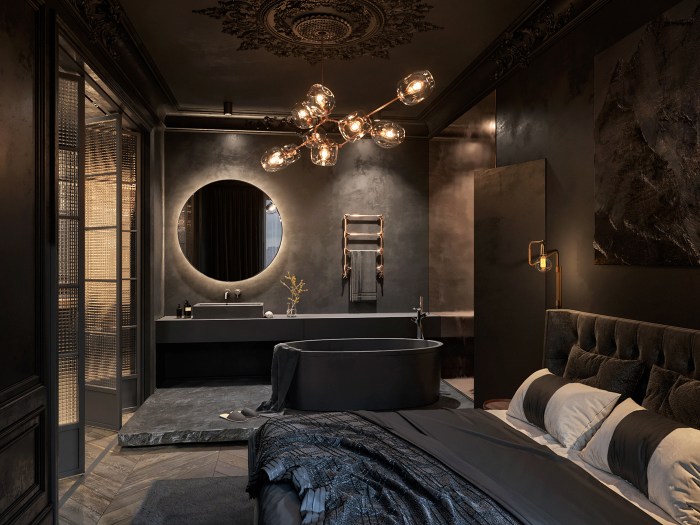
Designing with black offers a dramatic and sophisticated aesthetic, but it presents unique challenges. Successfully incorporating black requires careful planning and attention to detail, focusing on maximizing light, choosing complementary materials, and maintaining the space’s functionality and livability. This section explores practical strategies for achieving a stunning and livable black interior.
Mitigating Challenges of Black Paint
Black paint absorbs light, so adequate illumination is crucial to prevent a room from feeling dark and cramped. High-gloss or semi-gloss sheens reflect more light than matte finishes, helping to brighten the space. Consider incorporating multiple light sources: layered lighting with ambient, task, and accent lighting is key. Ambient lighting provides overall illumination, task lighting focuses on specific areas like reading nooks or workspaces, and accent lighting highlights architectural features or artwork. For example, recessed lighting in the ceiling can provide general illumination, while strategically placed floor lamps and table lamps add warmth and depth. Using light-colored furniture and accessories can also help to bounce light around the room.
Materials that Complement Black
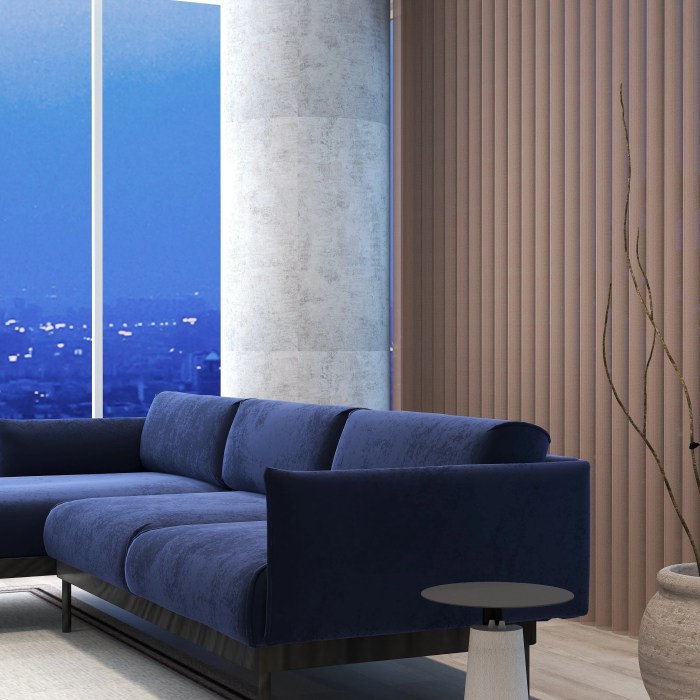
Black’s versatility allows it to pair beautifully with a wide range of materials. Metallic accents, such as brushed gold, polished nickel, or copper, add warmth and visual interest, contrasting beautifully against the dark backdrop. Natural wood tones, particularly lighter woods like oak or maple, provide a striking contrast and bring a sense of warmth and texture. Luxurious textiles, such as velvet, leather, or silk, add depth and richness, softening the starkness of black. For instance, a black velvet sofa paired with a light oak coffee table and brass lamps creates a sophisticated and inviting atmosphere.
Sample Room Layout: A Black and Gold Living Room
Imagine a living room with black walls, a black velvet sofa, and a large black rug. A light oak coffee table sits in the center, with a brass lamp on each side. Two armchairs upholstered in a rich, textured fabric (perhaps a deep teal or emerald green) flank the fireplace, which features a black marble surround. Gold-framed artwork hangs above the fireplace, adding pops of metallic shine. Recessed lighting in the ceiling provides general illumination, while a statement floor lamp in the corner adds warmth and style. This arrangement balances the drama of the black with pops of color and metallics, ensuring the space feels inviting and not oppressive.
Maintaining a Black Interior
Maintaining a black interior requires diligence, but the results are worth the effort. Regular dusting is essential, as dust and fingerprints are more visible on dark surfaces. Consider using microfiber cloths for cleaning, as they are effective at trapping dust without leaving streaks. For cleaning walls, use a gentle cleaner specifically designed for painted surfaces. Regular vacuuming or steam cleaning of carpets and rugs will help maintain their appearance and prevent them from becoming dull. Strategically placed mirrors can help to amplify light and create a sense of spaciousness, counteracting any potential feelings of claustrophobia.
Black Interiors Across Design Styles
Source: home-designing.com
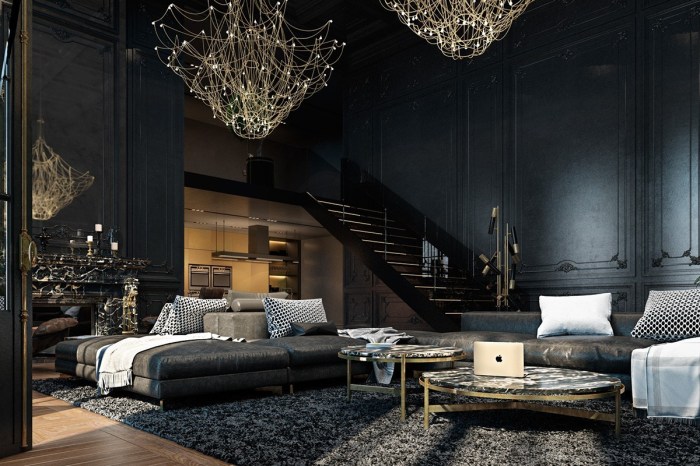
Black, often perceived as stark and dramatic, offers a surprisingly versatile backdrop for diverse design aesthetics. Its ability to absorb light and create depth allows for a range of moods and atmospheres, depending on the chosen style and lighting techniques. This section explores how black functions within different design styles, highlighting the interplay of materials, lighting, and the impact of black as a dominant color versus a subtle accent.
Black in Modern Design
Modern design prioritizes clean lines, minimalist aesthetics, and functionality. Black, in this context, often serves as a grounding element, enhancing the sleekness of metallic accents and the simplicity of geometric forms. Imagine a spacious living room with a black polished concrete floor, white walls, and minimalist black furniture. The lighting strategy here would focus on strategic placement of spotlights to highlight architectural features and artwork, while ambient lighting keeps the space feeling open and airy. Using black as a dominant color in modern design creates a sophisticated and refined atmosphere. In contrast, using black accents, such as black metal legs on a light wood table or black picture frames, adds subtle drama without overwhelming the minimalist aesthetic.
Black in Victorian Design
Victorian design embraces opulence and intricate detailing. Black, while seemingly contradictory, can be surprisingly effective. Imagine a darkly-hued study, richly paneled in dark wood, featuring plush velvet furniture upholstered in deep blacks and burgundies. Ornate gilded mirrors and heavy drapes add to the richness. Lighting in a Victorian black interior would employ layered lighting: chandeliers casting a warm glow, table lamps emitting soft light, and strategically placed sconces highlighting the intricate details of the woodwork. Black as a dominant color in this style enhances the sense of drama and mystery, while black accents, such as black-painted trim against dark wood paneling, might be less impactful, potentially getting lost within the existing richness.
Black in Industrial Design
Industrial design celebrates raw materials and exposed elements. Black, in this style, often emphasizes the utilitarian aspects, contrasting beautifully with the texture of exposed brick, metal piping, and aged wood. Consider a loft apartment with exposed brick walls, dark metal beams, and black metal furniture. The lighting here would utilize a combination of exposed Edison bulbs, industrial-style pendant lights, and track lighting to create a raw and functional feel. Black as a dominant color strengthens the industrial aesthetic, creating a sense of grit and authenticity. Black accents, such as black metal shelving against a white brick wall, might be less impactful in this setting, as the raw industrial materials already dominate the visual landscape.
Black in Minimalist Design
Minimalist design prioritizes simplicity and functionality, stripping away unnecessary elements. Black in this style often acts as a powerful, neutral background. Imagine a bedroom with black walls, a simple black bed frame, and minimal, light-colored bedding. Lighting here would focus on soft, diffused light to avoid harsh shadows and maintain a calm, serene atmosphere. Black as a dominant color provides a sense of quietude and focus, while black accents, such as a black side table, could create a sense of understated elegance.
| Style | Dominant Materials | Lighting Strategy | Overall Mood |
|---|---|---|---|
| Modern | Polished concrete, glass, metal, minimalist furniture | Strategic spotlights, ambient lighting | Sophisticated, clean, airy |
| Victorian | Dark wood paneling, velvet upholstery, ornate details, gilded accents | Layered lighting: chandeliers, table lamps, sconces | Dramatic, opulent, mysterious |
| Industrial | Exposed brick, metal piping, aged wood, raw textures | Exposed bulbs, industrial pendant lights, track lighting | Raw, functional, gritty |
| Minimalist | Simple lines, uncluttered spaces, neutral materials | Soft, diffused lighting | Calm, serene, focused |
Illuminating Black Spaces
Source: wordpress.com
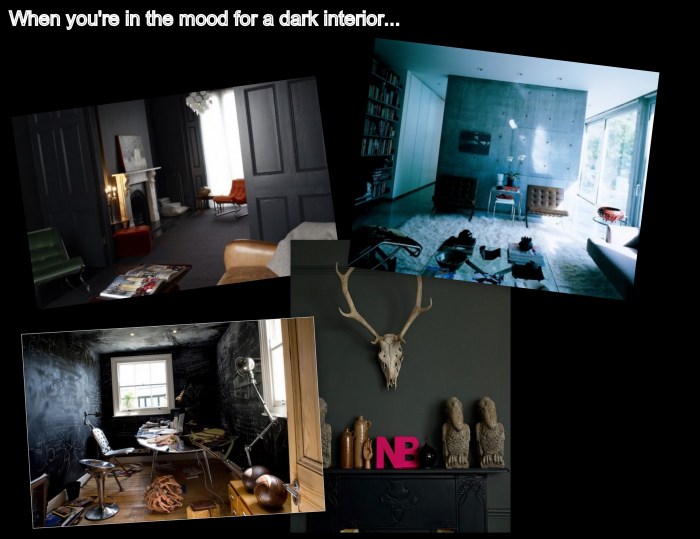
Black interiors, while undeniably stylish, present a unique challenge: lighting. The deep, absorbing nature of black means careful consideration must be given to how light interacts with the space, preventing it from feeling dark and claustrophobic. Layering different types of lighting is crucial to achieving a balanced and inviting atmosphere.
Layered Lighting in Black Interiors
Effective lighting in a black interior requires a multi-pronged approach, utilizing a combination of ambient, task, and accent lighting. Ambient lighting provides overall illumination, preventing the room from feeling too shadowy. Task lighting focuses light on specific areas where activities take place, such as reading or working. Accent lighting highlights architectural details, artwork, or other focal points, adding depth and visual interest. Ignoring any of these layers risks creating a flat, uninviting space. The interplay of these layers is what brings a black room to life.
Lighting Fixture Types for Black Interiors
Several lighting fixture types excel in black interiors. Recessed lighting provides even ambient illumination without cluttering the space visually. Sleek, minimalist pendant lights can act as both ambient and accent lighting, depending on their placement and style. Floor lamps with adjustable arms offer versatile task lighting, while strategically placed wall sconces can add a touch of elegance and highlight artwork or architectural features. Avoid overly ornate or bulky fixtures; cleaner lines and subtle designs will work best.
Highlighting Architectural Details and Artwork, Black interiors
Lighting can transform a black room. To highlight architectural details like crown molding or built-in shelving, use directional lighting such as track lighting or adjustable spotlights. These allow you to precisely target the features you want to emphasize, creating visual interest and depth. For artwork, consider picture lights positioned directly above the piece, or use adjustable spotlights to create a dramatic effect. The key is to use light to sculpt the space, drawing attention to its most appealing elements.
Lighting Plan for a Black Living Room
Consider a living room with black walls and dark furniture. The lighting plan would incorporate:
- Ambient Lighting: Recessed lighting throughout the ceiling provides even, overall illumination. This prevents harsh shadows and ensures comfortable visibility.
- Task Lighting: A floor lamp next to a reading chair provides focused light for reading. A desk lamp illuminates a workspace, if applicable.
- Accent Lighting: Two sleek pendant lights above a low-hanging coffee table create a focal point and add a sense of drama. Wall sconces flanking a fireplace or a large mirror highlight these architectural features and add a warm glow. Picture lights illuminate artwork hung on the walls.
The color temperature of the light bulbs should also be considered. Warmer light (2700K-3000K) creates a cozy and inviting atmosphere, while cooler light (5000K-6500K) feels more modern and crisp. A mix can be used effectively, depending on the desired mood and the specific area of the room. For instance, warmer light might be used near seating areas, while cooler light could highlight a more functional area like a home office within the living room. Dimmers are also essential for controlling the intensity and mood of the lighting.
Incorporating Texture and Pattern in Black Interiors
Source: behance.net
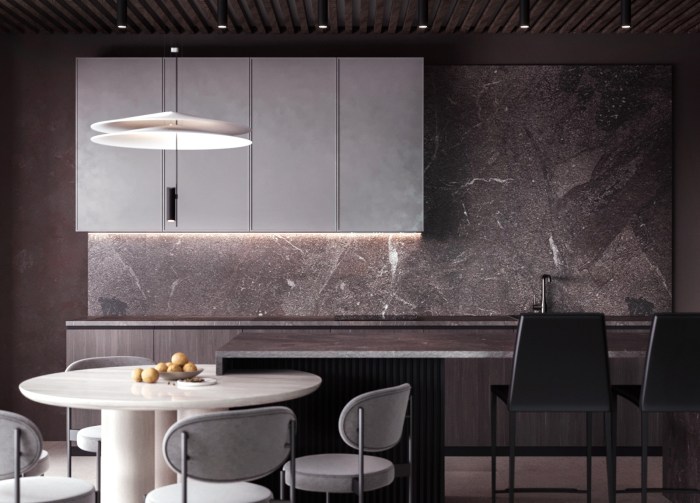
Black, while undeniably dramatic and sophisticated, can feel overwhelming if not carefully balanced. The key to preventing a black interior from becoming monotonous lies in the strategic use of texture and pattern. These elements introduce visual interest, depth, and a sense of warmth, preventing the space from feeling flat or cold. By thoughtfully layering different textures and patterns, you can create a dynamic and inviting atmosphere.
The Role of Texture in Black Interiors
Texture is crucial for adding depth and preventing a black room from feeling visually heavy. Different materials interact with light in unique ways, creating subtle variations in tone and shadow. This interplay prevents the eye from becoming bored with uniform darkness. Smooth surfaces will reflect light differently than rough ones, creating a more multifaceted visual experience. Consider incorporating a variety of tactile elements to enhance the sensory experience of the space.
Utilizing Various Textures for Visual Interest
A plush velvet sofa introduces a luxurious softness that contrasts beautifully with the sleekness of a polished black lacquer coffee table. The warmth of natural wood flooring grounds the space, providing a tactile counterpoint to the cool smoothness of black marble countertops. Leather accents, such as an armchair or ottoman, add a rugged yet refined touch. These textural contrasts create visual interest and prevent the space from feeling overly uniform. The subtle differences in how light catches each material further enhance this effect.
Effective Patterns to Complement Black Interiors
Patterns can add a layer of visual complexity and excitement to a black interior. Geometric patterns, such as bold stripes or intricate tessellations, introduce a structured and modern feel. Subtle floral patterns, perhaps on a wallpaper or upholstery, can inject a touch of elegance and romance. Abstract patterns, with their unpredictable lines and shapes, offer a more artistic and contemporary aesthetic. The scale of the pattern is also important; a large-scale pattern can be dramatic, while a smaller scale can be more subtle and refined.
A Black Interior: A Visual Description
Imagine a living room dominated by deep black walls, their matte finish subtly absorbing light. A plush velvet sofa in a deep charcoal grey sits against one wall, its soft texture a stark contrast to the sleek, black lacquer coffee table in front of it. A large, abstract rug in muted greys and blacks with subtle hints of metallic gold threads covers the polished dark wood floor. The rug’s texture is subtly raised in certain areas, creating a play of light and shadow. A leather armchair, positioned in a corner, offers a textural and visual counterpoint to the sofa’s softness. A geometric patterned throw pillow in black and silver adds a touch of sparkle and sophistication. A single, strategically placed spotlight highlights a piece of black and white abstract art, its stark lines and shapes further enhancing the room’s visual complexity. The interplay of light and shadow, accentuated by the diverse textures and patterns, transforms what could have been a monotonous space into a sophisticated and richly layered environment.
Concluding Remarks
Source: portella.com
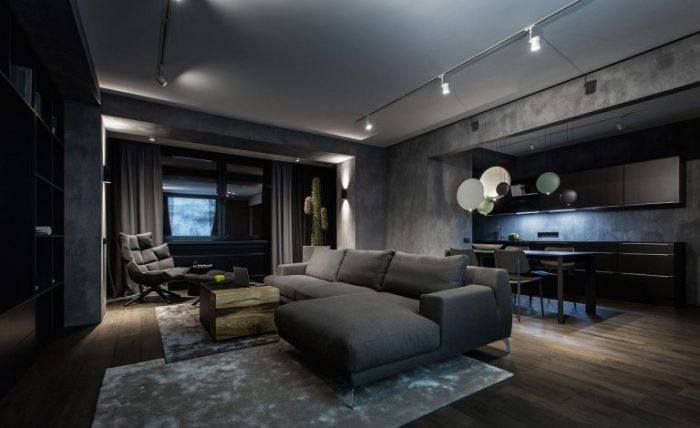
Ultimately, mastering black interiors is about balance. It’s about understanding the psychological impact of this powerful color, and then skillfully using lighting, texture, and pattern to create a space that is both stylish and inviting. Whether you opt for a minimalist approach or embrace maximalist flair, the key is to let your personality shine through, using black as a stunning backdrop to highlight your unique style. Remember, a well-designed black interior is anything but dark; it’s a testament to thoughtful design and a bold creative vision.